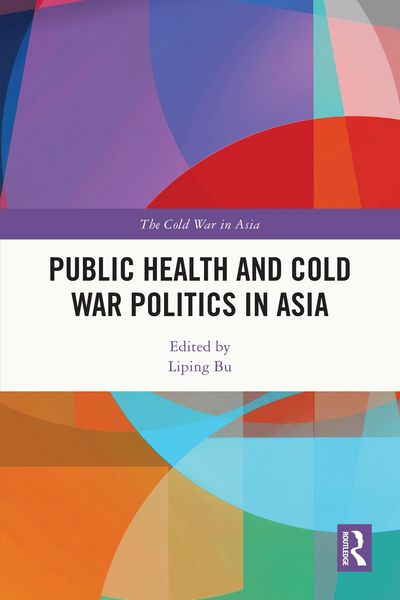
Public Health and Cold War Politics in Asia
-
- Hardcover
- Taschenbuch
- eBook ausgewählt
-
Form:Einzelkauf Download
-
Sprache:Englisch
-
eBook Format:PDF
- ePUB 3 Fr. 59.90
- PDF Fr. 59.90 ausgewählt
Fr. 59.90
inkl. gesetzl. MwSt.Beschreibung
Produktdetails
Format
Kopierschutz
Ja
Family Sharing
Nein
Text-to-Speech
Nein
Erscheinungsdatum
01.09.2023
Herausgeber
Liping BuVerlag
Taylor & Francis eBooksSeitenzahl
200 (Printausgabe)
Auflage
1. Auflage
Sprache
Englisch
EAN
9781000953909
Bu and her contributors illustrate the complexity of tensions and negotiations in the development of different types of public health systems in Asia during the early Cold War.
Competing models of development with different political ideologies and economic enterprises increasingly influenced Asian countries in their efforts to build modern nations after World War II. Looking at examples from China, Japan, South and North Korea, India, and Indonesia, the contributors to this volume look at how a range of Asian countries handled this postcolonial challenge. Health became a pivotal area that sustained the political discourse of differentiating one type of society from the other and promoting each system's advantages over the other's during the Cold War. Central to the discourse of a just society and the well-being of citizens was the promotion of public health and welfare for the people. The right to health was considered a fundamental human right as well as an essential social justice. A healthy population was also a prerequisite for national economic prosperity. Public health in postwar Asia was, therefore, a sociopolitical matter as well as a concern for the well-being of individuals. The health of the people demonstrated the advancement of a nation and provided the insurance for economic productivity and national prosperity.
An essential read for historians and policymakers of public health and historians of Asia during the Cold War.
Kundinnen und Kunden meinen
Verfassen Sie die erste Bewertung zu diesem Artikel
Helfen Sie anderen Kund*innen durch Ihre Meinung