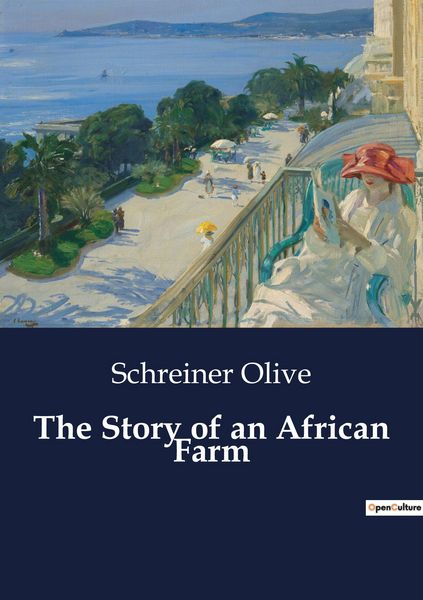
The Story of an African Farm A Journey of Self-Discovery in the South African Wilderness
-
- Englisch ausgewählt
Fr. 47.90
inkl. gesetzl. MwSt.,
Beschreibung
Produktdetails
Einband
Taschenbuch
Erscheinungsdatum
15.07.2023
Verlag
CultureaSeitenzahl
400
Maße (L/B/H)
21/14.8/2.2 cm
Gewicht
516 g
Auflage
1. Tirage
Sprache
Englisch
ISBN
979-10-418-4961-1
What happens when the vast landscapes of South Africa become the backdrop for a tale of personal discovery and societal critique? "The Story of an African Farm" by Olive Schreiner unfolds in the late 19th century, a period marked by colonial expansion and cultural upheaval. Set on a remote farm in the Karoo desert, the narrative weaves together the lives of three main characters: Lyndall, Em, and Waldo. These young individuals grapple with the constraints of their environment and the expectations imposed upon them by a rigid society. The novel delves into themes of gender roles, existential questioning, and the pursuit of personal freedom. Lyndall, a character ahead of her time, challenges the traditional roles assigned to women, seeking autonomy and self-determination. Her journey is juxtaposed with Em's more conventional path, highlighting the diverse responses to societal pressures. Waldo, the introspective dreamer, represents the philosophical quest for meaning in a world that often seems indifferent to individual aspirations. Schreiner's work is a pioneering piece of feminist literature, offering a critical examination of the social norms of the time. The narrative is rich with symbolism and philosophical musings, inviting readers to reflect on the nature of identity and the human condition. Through its vivid descriptions and complex characters, the book provides a window into the struggles and triumphs of those who dare to defy convention. By exploring the intricacies of personal and societal change, "The Story of an African Farm" offers readers a profound understanding of the challenges faced by individuals in their quest for authenticity. The novel encourages a deeper appreciation of the courage required to pursue one's truth in the face of adversity.
Kundinnen und Kunden meinen
Verfassen Sie die erste Bewertung zu diesem Artikel
Helfen Sie anderen Kund*innen durch Ihre Meinung