
Band 316
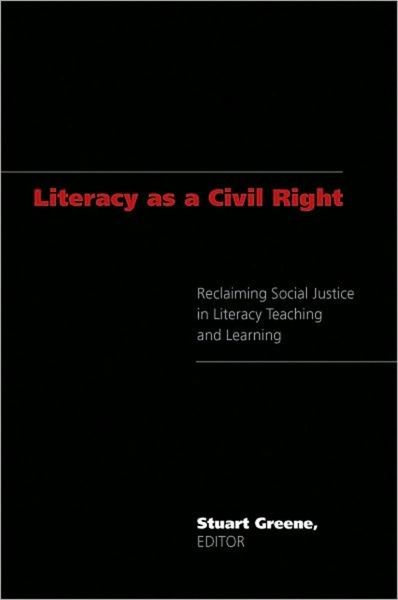
Literacy as a Civil Right Reclaiming Social Justice in Literacy Teaching and Learning
Aus der Reihe
Counterpoints
-
- Englisch ausgewählt
Fr. 59.90
inkl. gesetzl. MwSt.,
Beschreibung
Produktdetails
Einband
Taschenbuch
Erscheinungsdatum
06.02.2008
Herausgeber
Stuart GreeneVerlag
Peter Lang Publishing Inc. New YorkSeitenzahl
199
Maße (L/B/H)
22.5/15/1.2 cm
Gewicht
300 g
Auflage
1
Sprache
Englisch
ISBN
978-0-8204-8868-4
The urgency to create equity in schools has never been greater, especially since legislators are considering the re-authorization of No Child Left Behind as a means to eliminating the achievement gap. Studies continue to show that increased standards, testing, and accountability have simply maintained the status quo. In response, this book proposes alternative ways of addressing these educational inequities, taking an interdisciplinary approach to understanding the complex historical, social, and global issues that stand in the way of ensuring that all students have access to literacy – issues that policy makers and educators can no longer ignore. Literacy as a Civil Right assembles an impressive group of essays that broaden the conversation taking place about school reform, unmasking an ideology that maintains unequal relations of power in school and society. The ideas presented here will help readers re-imagine success in schools by understanding the possibilities that grow from a democratic vision of education. Together, this book provides an alternative framework to increased testing, offering a more humane vision of education that values agency, rigor, civic responsibility, and democracy.
Noch keine Bewertungen vorhanden
Verfassen Sie die erste Bewertung zu diesem Artikel
Helfen Sie anderen Kundinnen und Kunden durch Ihre Meinung.