Beschreibung
Produktdetails
Einband
Taschenbuch
Erscheinungsdatum
30.12.2009
Verlag
NUS PressSeitenzahl
380
Maße (L/B/H)
22.9/15.2/1.8 cm
Gewicht
525 g
Sprache
Englisch
ISBN
978-9971-69-380-0
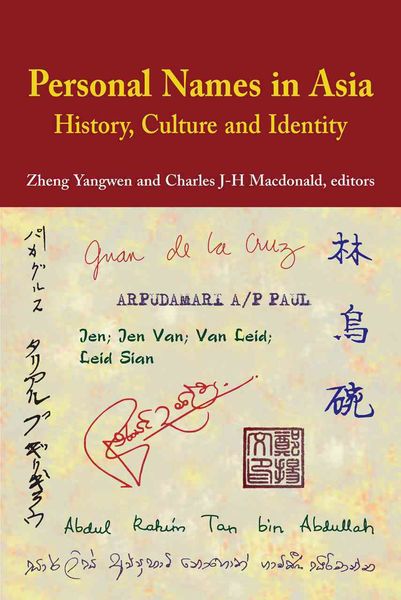
The world's population negotiates a multiplicity of naming systems. Some are compatible with the "normative" system of the world of passports and identity cards but a great many are not. This is particularly true in Asia, a region with some of the most sophisticated naming devices found anywhere in the world, including nicknames and teknonyms, religious and corporation names, honour and death names, pseudonyms and retirement names, house names and clan names, local and foreign names, official and private names.
People across the continent carry multiple names meaningful to different audiences. Some are used only in family relations while others locate individuals in terms of gender, ethnicity, religion, caste, class, and nation. The centrality of names to many of the crucial debates and preoccupations of the modern world - identity, hybridity, migration, nationalism, multi-culturalism, globalisation - makes it particularly surprising that there has been little systematic comparative exploration of Asian names and naming systems.
This path-breaking volume classifies and theorises the systems underlying naming practices in Asia, especially in Southeast Asia where systems are abundant and fluid. Using historical and socio-anthropological perspectives, the authors of this exceptionally close collaborative effort show the intricate connections between naming systems, notions of personhood and the prevailing ethos of interpersonal relations. They also show how the peoples of Asia are fashioning new types of naming and different ways of identifying themselves to suit the demands of a changing world.
People across the continent carry multiple names meaningful to different audiences. Some are used only in family relations while others locate individuals in terms of gender, ethnicity, religion, caste, class, and nation. The centrality of names to many of the crucial debates and preoccupations of the modern world - identity, hybridity, migration, nationalism, multi-culturalism, globalisation - makes it particularly surprising that there has been little systematic comparative exploration of Asian names and naming systems.
This path-breaking volume classifies and theorises the systems underlying naming practices in Asia, especially in Southeast Asia where systems are abundant and fluid. Using historical and socio-anthropological perspectives, the authors of this exceptionally close collaborative effort show the intricate connections between naming systems, notions of personhood and the prevailing ethos of interpersonal relations. They also show how the peoples of Asia are fashioning new types of naming and different ways of identifying themselves to suit the demands of a changing world.
Kundinnen und Kunden meinen
Verfassen Sie die erste Bewertung zu diesem Artikel
Helfen Sie anderen Kund*innen durch Ihre Meinung