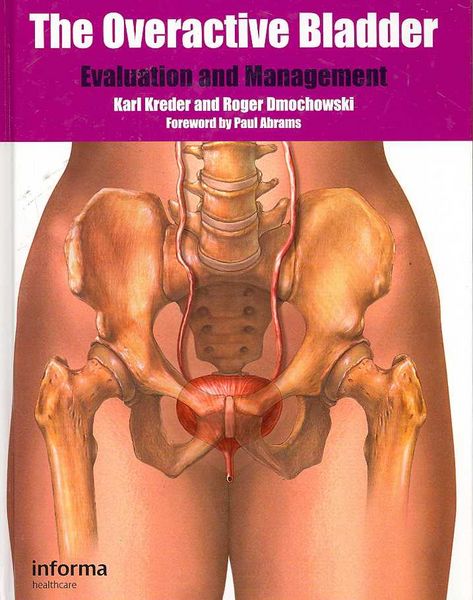
The Overactive Bladder Evaluation and Management
Fr. 362.00
inkl. gesetzl. MwSt.,
Beschreibung
Produktdetails
Einband
Gebundene Ausgabe
Erscheinungsdatum
10.07.2007
Abbildungen
6 Line drawings, color 84 Line drawings, black and white 6 Halftones, color 33 Halftones, black and white 54 Tables, black and white 12 Illustrations, color 117 Illustrations, black and white
Herausgeber
Karl Kreder + weitereVerlag
Taylor & FrancisSeitenzahl
444
Maße (L/B/H)
27.5/18.3/1.4 cm
Gewicht
980 g
Sprache
Englisch
ISBN
978-1-84184-630-9
This seminal work should guide the reader in daily practice. Overactive bladder (OAB) affects more than 17 million US men and women daily. Given the symptoms of sleep loss, depression, and a lower quality of life than even those with diabetes mellitus, effective and beneficial treatment is a must for these people. Drs. Kreder and Dmochowski, both recognized experts on voiding dysfunction and urodynamics, have assembled a distinguished team of experts from around the globe to share with the reader, whether qualified or in-training, their perspectives based both on best practice and personal experience in evaluating and managing the overactive bladder. This seminal work should guide the reader in daily practice.
Noch keine Bewertungen vorhanden
Verfassen Sie die erste Bewertung zu diesem Artikel
Helfen Sie anderen Kundinnen und Kunden durch Ihre Meinung.