Gutscheinbedingungen

*Gültig bis 21.06.2026 auf (fast) alles. Ausgeschlossen sind Smartboxen, Zeitschriften, Tickets, Lebensmittel, Gaming-Elektroartikel, Tinte/Toner, Gutscheine, Geschenkkarten, Blumen und Abos | Einlösbar in allen Buchhandlungen von Orell Füssli, Barth Bücher, Buchladen Rapunzel, Schuler Orell Füssli, Stauffacher und ZAP unter Vorweisung des Gutscheins, auf www.orellfüssli.ch durch Eingabe des Gutscheincodes. Beim Service „eBooks verschenken“ und bei eBook-Käufen via eReader nicht einlösbar | Mindesteinkaufswert: Fr. 30.- | Nicht mit anderen Rabatten kumulierbar.

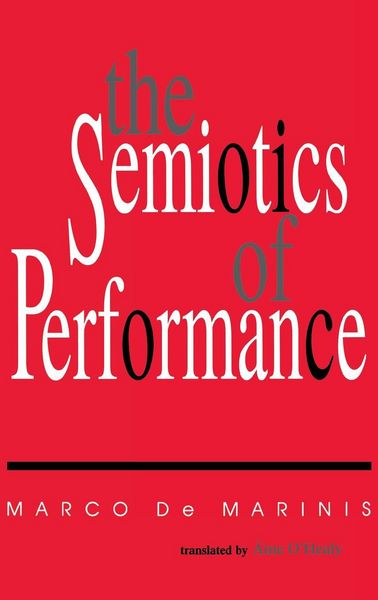
Produktbild: Semiotics Of Performance

Semiotics Of Performance

Fr. 78.90

inkl. gesetzl. MwSt., Versandkostenfrei


Beschreibung

Produktdetails

Einband

Gebundene Ausgabe

Erscheinungsdatum

01.03.1993

Verlag

Indiana University Press

Seitenzahl

280

Maße (L/B/H)

23.4/15.6/1.8 cm

Gewicht

552 g

Sprache

Englisch

ISBN

978-0-253-31686-8

Beschreibung

Produktdetails

Einband

Gebundene Ausgabe

Erscheinungsdatum

01.03.1993

Verlag

Indiana University Press

Seitenzahl

280

Maße (L/B/H)

23.4/15.6/1.8 cm

Gewicht

552 g

Sprache

Englisch

ISBN

978-0-253-31686-8

Kundinnen und Kunden meinen

0 Bewertungen

Informationen zu Bewertungen

Zur Abgabe einer Bewertung ist eine Anmeldung im Konto notwendig. Die Authentizität der Bewertungen wird von uns nicht überprüft. Wir behalten uns vor, Bewertungstexte, die unseren Richtlinien widersprechen, entsprechend zu kürzen oder zu löschen.

Die Bewertungen sind nach Format, Anzahl Sterne und Datum sortiert.

Verfassen Sie die erste Bewertung zu diesem Artikel

Helfen Sie anderen Kund*innen durch Ihre Meinung

Kundinnen und Kunden meinen

0 Bewertungen filtern

  • Produktbild: Semiotics Of Performance
  • Introduction: Theater Or Semiotics
    0.1. The Textual Analysis of Performance
    0.2. From Structuralism to the Pragmatics of the Text
    0.3. Enunciation, Intertextuality, and Reception
    0.4. Textual Analysis as a Multidisciplinary Approach
    0.5. Epistemological Limits
    0.6. Semiotics and Theater
    One. Dramatic Text and Mise-en-Scene
    1.1. Reasons for a Misunderstanding
    1.2. A Critique of the Conception of the Dramatic Text as a "Constant" or "Deep Structure" of Performance
    1.3. Language and Metalanguage, Text and Metatext
    1.4. Virtual Mise-en-Scene and Real Mise-en-Scene
    1.4.1. The Residue-Text: A Particular Case?
    1.5. The Irreversibility of Theatrical Transcoding
    1.6. Toward a Definition of the Dramatic Genre
    1.7. Dramatic Discourse
    1.8. The Dramatic Text as "Instructions for Use"
    Two. The Performance Text
    2.1. Performance as Text
    2.2. Theatrical Performance: A Definition
    2.2.1. Technical Reproducibility, Repeatability, Duplicatability
    2.2.2. Theater and Everyday Life
    2.3. Completeness and Coherence of the Performance Text
    2.3.1. The Delimitation of the Performance Text
    2.3.2. Levels of Coherence in the Performance Text
    2.4 The Performance Text: Between Presence and Absence
    2.4.1. "Present" Performances and "Absent" Performances
    2.4.2. Ruffini: Contextual Restoration
    2.4.3. Description/Transcription
    2.5. The Double Heterogeneity of the Performance Text
    2.6. Performance Texts Shorter or Longer than One Performance
    2.6.1. Partial Texts and Segments of the Performance Text
    2.6.2 Groups and Classes of Performance Texts
    2.7. Co-textual and Contextual Aspects
    Three. The Textual Structure of Performance
    3.1. Multiple Systems and Single Systems
    3.2. Degrees of Dynamism in the Textual Structure of Performance
    3.3. Partial Structures and Macrostructures
    3.4. Multiple Interpretations, Multiple Structures
    3.5. Analysis/Reading/Criticism
    Four. Performance Codes and Theatrical Conventions
    4.1. The Concept of "Code" in Relation to Theatrical Performance
    4.2. Decoding, Comprehension, Interpretation
    4.3. Classification according to Codes and Classification according to Expressive Material
    4.4. Theatrical and Nontheatrical Meanings
    4.5. Performance Codes (in the Strict Sense)
    4.6. Theatrical Conventions
    4.6.1 General Conventions
    4.6.2. Particular conventions
    4.6.3. Distinctive Conventions
    4.6.4. Notes and Observations on the Proposed Classification
    4.7. The Performance Text as an Example of Invention
    4.7.1. Transformation and Institution of the Code
    4.7.2. The Performance Text as an Aesthetic Text
    Five. Performance Text, Cultural Context, and Intertextual Practices
    5.1. The Performance Text in the Genral Test: The Cultural Roots of Codes and Conventions
    5.2. Aesthetic and Nonaesthetic Codes: From Culture to Art and Back
    5.3. Francastel: The Aesthetic Text as Montage of Cultural Objects
    5.3.1. The Example of the Mythological Festival
    5.4. Types of Theatrical Intertextuality
    Six. Toward a Pragmatics of Theatrical Communication
    6.1. The Performance Context
    6.2. Communication in the Theater
    6.3. The Kind and Degree of Communication in Performance
    6.4. Theatrical Manipulation
    6.5. Action/Fiction: The Performance Test as a Macro-Speech Act
    6.6. Theater Beyond Simulation and Negation
    Seven. The Spectator's Task
    7.1. The Current State of Research on Theatrical Reception
    7.2. Research on Reception outside of Theater
    7.2.1. The Konstanz School and "Rezeptionsasthetik"
    7.2.2 T.A. van Dijk and W. Kintsch: The Cognitive Processes of Discourse Comprehension
    7.3. The Model Spectator: "Closed" Spectators and "Open" Spectators
    7.4. Theatrical Competence
    7.5. Theatrical Genre as a Textual Type
    7.6. Pragmatic Aspects of Theatrical Genres
    7.7. Avant-Garde Theater as Metalinguistic Manipulation of the Performance Context
    7.8. Grammaticality, Acceptability, and Appropriateness of the Performance Text
    Notes
    Bibliography