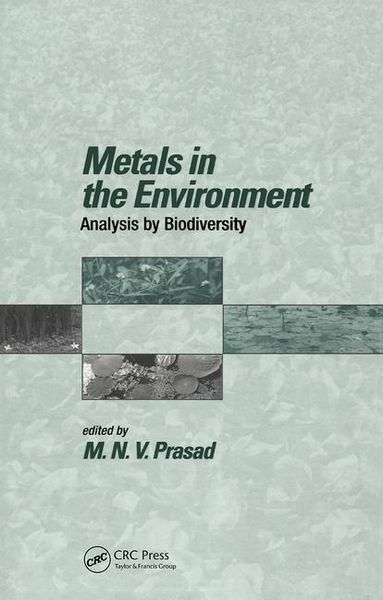
Prasad, M: Metals in the Environment Analysis by Biodiversity
Fr. 463.00
inkl. gesetzl. MwSt.,
Beschreibung
Produktdetails
Einband
Gebundene Ausgabe
Erscheinungsdatum
27.07.2001
Verlag
Taylor and FrancisSeitenzahl
508
Maße (L/B/H)
27.9/21.6/2.9 cm
Gewicht
850 g
Sprache
Englisch
ISBN
978-0-8247-0523-7
A summary of data on heavy metal accumulation, biomonitoring, toxicity and tolerance, metal contamination and pollution in the environment, and the importance of biodiversity for environmental monitoring and cleanup of metal-contaminated and polluted ecosystems. It advocates the use of bacteria, mycorrhizae, freshwater algae, salt marshes, bryo- and pteridophytes, angiosperms, constructed wetlands, reed beds, and floating plant systems and tree crops to treat wastewaters and industrial effluents containing toxic heavy metals.
Noch keine Bewertungen vorhanden
Verfassen Sie die erste Bewertung zu diesem Artikel
Helfen Sie anderen Kundinnen und Kunden durch Ihre Meinung.