Produktbild: Macdonald: Connectionism Explanation

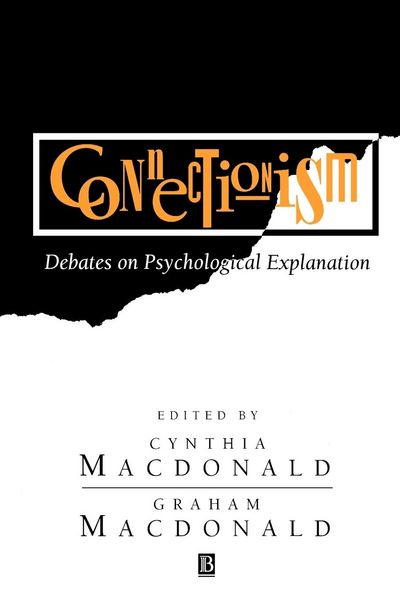
Macdonald: Connectionism Explanation Debates on Psychological Explanation, Volume 2

Fr. 94.90

inkl. gesetzl. MwSt., Versandkostenfrei


Beschreibung

Produktdetails

Einband

Taschenbuch

Verlag

John Wiley & Sons Inc

Seitenzahl

444

Maße (L/B/H)

22.9/15.2/2.4 cm

Gewicht

639 g

Sprache

Englisch

ISBN

978-0-631-19745-4

Beschreibung

Produktdetails

Einband

Taschenbuch

Verlag

John Wiley & Sons Inc

Seitenzahl

444

Maße (L/B/H)

22.9/15.2/2.4 cm

Gewicht

639 g

Sprache

Englisch

ISBN

978-0-631-19745-4

Kundinnen und Kunden meinen

0 Bewertungen

Informationen zu Bewertungen

Zur Abgabe einer Bewertung ist eine Anmeldung im Konto notwendig. Die Authentizität der Bewertungen wird von uns nicht überprüft. Wir behalten uns vor, Bewertungstexte, die unseren Richtlinien widersprechen, entsprechend zu kürzen oder zu löschen.

Die Bewertungen sind nach Format, Anzahl Sterne und Datum sortiert.

Verfassen Sie die erste Bewertung zu diesem Artikel

Helfen Sie anderen Kund*innen durch Ihre Meinung

Kundinnen und Kunden meinen

0 Bewertungen filtern

  • Produktbild: Macdonald: Connectionism Explanation
  • Part I: Subdoxastic Explanation I: Connectionism and Classical Architecture:.

    1. Introduction: Classicism v. Connectionism: Cynthia MacDonald.

    2. On the Proper Treatment of Connectionism: Paul Smolensky.

    3. Connectionism and Cognitive Architecture: A Critical Analysis: Jerry A. Foder and Zenon W. Pylyshyn.

    4. Connectionism, Constituency and the Language of Thought: Paul Smolensky.

    5. Connectionism and the Problem of Systematicity: Why Smolensky's Solution Doesn't Work: Jerry A. Foder and Brian P. McLaughlin.

    6. Reply: Constituent Structure and Explanation in an Integrated Connectionist/Symbolic Cognitive Architecture: Paul Smolensky.

    Part II: Subdoxastic Explanation II: Connectionism and Eliminativism: .

    7. Introduction: Connectionism and Eliminativism: Cynthia Macdonald.

    8. Connectionism, Eliminativism and the Future of Folk Psychology: William Ramsey, Stephen Stich and Joseph Garon.

    9. Connectionist Minds: Andy Clark.

    10. On the Projectable Predicates of Connectionist Psychology: A Case for Belief: Paul Smolensky.

    11. Reply to Clark and Smolensky: Do Connectionists Minds Have Beliefs?: Stephen Stich and Ted Warfield.

    Index.