Gutscheinbedingungen

*Gültig bis 05.07.2026 auf (fast) alles. Ausgeschlossen sind Smartboxen, Zeitschriften, Tickets, Lebensmittel, Gaming-Elektroartikel, Tinte/Toner, Gutscheine, Geschenkkarten, Blumen und Abos | Einlösbar in allen Buchhandlungen von Orell Füssli, Barth Bücher, Buchladen Rapunzel, Papeterie Köhler, Schuler Orell Füssli, Stauffacher und ZAP unter Vorweisung des Gutscheins, auf www.orellfüssli.ch durch Eingabe des Gutscheincodes. Beim Service „eBooks verschenken“ und bei eBook-Käufen via eReader nicht einlösbar | Mindesteinkaufswert: Fr. 30.- | Nicht mit anderen Rabatten kumulierbar.

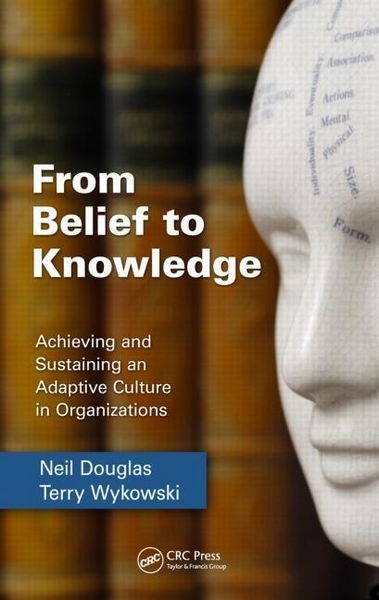
Produktbild: Douglas, N: From Belief to Knowledge

Douglas, N: From Belief to Knowledge Achieving and Sustaining an Adaptive Culture in Organizations

Fr. 129.00

inkl. gesetzl. MwSt., Versandkostenfrei


Beschreibung

Produktdetails

Einband

Gebundene Ausgabe

Erscheinungsdatum

13.09.2010

Abbildungen

schwarz-weiss Illustrationen, Tabellen, schwarz-weiss

Verlag

Taylor and Francis

Seitenzahl

262

Maße (L/B/H)

23.5/15.6/2 cm

Gewicht

520 g

Sprache

Englisch

ISBN

978-1-4398-3734-4

Beschreibung

Produktdetails

Einband

Gebundene Ausgabe

Erscheinungsdatum

13.09.2010

Abbildungen

schwarz-weiss Illustrationen, Tabellen, schwarz-weiss

Verlag

Taylor and Francis

Seitenzahl

262

Maße (L/B/H)

23.5/15.6/2 cm

Gewicht

520 g

Sprache

Englisch

ISBN

978-1-4398-3734-4

Noch keine Bewertungen vorhanden

Verfassen Sie die erste Bewertung zu diesem Artikel

Helfen Sie anderen Kundinnen und Kunden durch Ihre Meinung.

Kundinnen und Kunden meinen

Bewertungen (0)

  • Produktbild: Douglas, N: From Belief to Knowledge
  • Chapter 1 Introduction Belief, Knowledge and the Consequences of Human Endeavor Organizations Rationale and Structure of This Book References Section I Foundations Chapter 2 What Does It Mean to Know? Anticipatory Summary What Does It Mean to Know? The "Standard Analysis" of Knowledge Belief Truth Justification Challenges to the Standard Analysis Skepticism Relativism The Gettier Problem Naturalized Epistemology References Chapter 3 Reality and Knowing Anticipatory Summary Reality and Knowing Multiple Realities The Realities of Everyday Life An Ontology for Organizational Life Physical or Natural Reality Constructed Reality Mathematical Reality Objective and Subjective Realities Knowledge Implications References Chapter 4 Epistemology: Theory of Knowledge Anticipatory Summary Epistemology: Theory of Knowledge Theories of Knowledge Dualism Theories References Chapter 5 Exploring the Epistemic Terrain Anticipatory Summary Exploring the Epistemic Terrain Integrating Realities and Theories Natural or Physical Reality Material Reality Nonmaterial Reality Conceptual Reality Bridging or Reconciling Theories Framing Section II References Section II Applications Chapter 6 The Knowing Subject Anticipatory Summary The Knowing Subject Psychological and External Realities Cognition Perception Memory Attribution Emotion The Role of Individuals in the Growth of Knowledge Why Do We Not Know? How Can We Come to Know More Fully? References Chapter 7 Collective Knowing Anticipatory Summary Collective Knowing Bridging from Individuals to Groups Individuals in Groups Emergent Properties of Groups The Quality of Discourse Trivium Dialogue The Mechanics of Dialogue The Role of Groups in the Growth of Knowledge Why Do We Not Know as Groups or Collections of Individuals? How Can We Come to Know More Fully Through the Work of Groups? References Chapter 8 Leaders Anticipatory Summary Leaders Factors That Constrain the Growth of Knowledge Factors That Facilitate the Growth of Knowledge Leaders and the Growth of Knowledge What Role Do Leaders Play in Not Knowing? What Role Do Leaders Play in Knowing More Fully? References Chapter 9 Culture Anticipatory Summary Culture The Meaning and Dimensions of Culture The Dynamics of Culture The Formation of Culture The Perpetuation of Culture Relevance of the Naturalistic Perspective Culture and the Growth of Knowledge How Does Culture Constrain the Growth of Knowledge? How Does Culture Facilitate the Growth of Knowledge? Culture Change versus a Culture of Change (Creating and Sustaining an Adaptive Culture) References Postscript Reference Index