• Produktbild: The Rcm Solution
  • Produktbild: The Rcm Solution

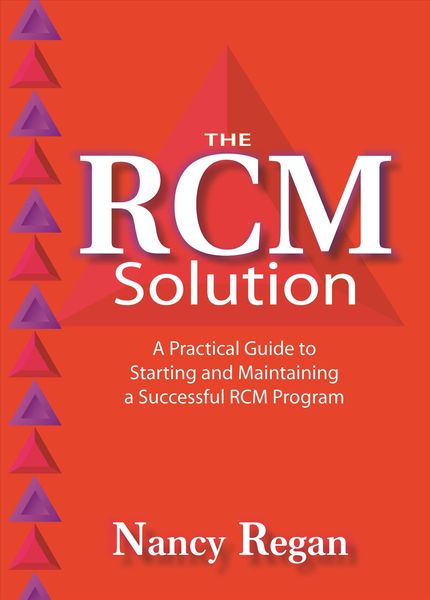
The Rcm Solution A Practical Guide to Starting and Maintaining a Successful Rcm Program

Fr. 101.00

inkl. gesetzl. MwSt., Versandkostenfrei


Beschreibung

Produktdetails

Einband

Taschenbuch

Erscheinungsdatum

15.03.2011

Verlag

Industrial Press

Seitenzahl

272

Maße (L/B/H)

23.6/15.4/2.5 cm

Gewicht

559 g

Sprache

Englisch

ISBN

978-0-8311-3424-2

Beschreibung

Produktdetails

Einband

Taschenbuch

Erscheinungsdatum

15.03.2011

Verlag

Industrial Press

Seitenzahl

272

Maße (L/B/H)

23.6/15.4/2.5 cm

Gewicht

559 g

Sprache

Englisch

ISBN

978-0-8311-3424-2

Herstelleradresse

Libri GmbH
Europaallee 1
36244 Bad Hersfeld
DE

Email: gpsr@libri.de

Kundinnen und Kunden meinen

0 Bewertungen

Informationen zu Bewertungen

Zur Abgabe einer Bewertung ist eine Anmeldung im Konto notwendig. Die Authentizität der Bewertungen wird von uns nicht überprüft. Wir behalten uns vor, Bewertungstexte, die unseren Richtlinien widersprechen, entsprechend zu kürzen oder zu löschen.

Die Bewertungen sind nach Format, Anzahl Sterne und Datum sortiert.

Verfassen Sie die erste Bewertung zu diesem Artikel

Helfen Sie anderen Kund*innen durch Ihre Meinung

Kundinnen und Kunden meinen

0 Bewertungen filtern

Die Leseprobe wird geladen.
  • Produktbild: The Rcm Solution
  • Produktbild: The Rcm Solution
  • 1.         Introduction to Reliability Centered Maintenance

    1.1       What is RCM?

    1.2       Elements that Influence a System

    1.3       The Essence of RCM:  Managing the Consequences of Failure

    1.4       What RCM Can Yield

    1.5       The Evolution of RCM Principles

    1.6       The Development of RCM Principles

    1.7       Definition of RCM

    1.8       Defining Performance in the Context of RCM

    1.9       Introduction to the RCM Process

    1.10    Failure Modes and Effects Analysis (FMEA) and Failure Modes, Effects, and Criticality Analysis (FMECA)

    Summary

    2.         A Facilitated Working Group Approach to RCM

    2.1       The Team Approach to Accomplishing Objectives

    2.2       Elements that Influence a System

    2.3       Failure Management Strategies

    2.4       Historical Data and the RCM Process

    2.5       Effective Working Groups

    2.6       Benefits of a Facilitated Working Group Approach

    Summary

    3.         The RCM Operating Context

    3.1       What Is an Operating Context?

    3.2       When Should an Operating Context Be Drafted?

    3.3       What is Included in an Operating Context?

    3.4       The Operating Context as a Living Document

    Summary

    4.         Functions

    4.1       Why Write Functions?

    4.2       Two Types of Functions

    4.3       Classifying Functions as Evident or Hidden

    4.4       Composing Evident and Hidden Functions

    4.5       Information Worksheet

    4.6       Primary Functions

    4.7       Secondary Functions

    4.8       General Equipment Features that Typically Warrant Secondary Functions

    4.9       Tips Regarding Functions

    Summary

    5.         Functional Failures

    5.1       What Is a Functional Failure?

    5.2       Two Types of Functional Failures

    5.3       Composing Functional Failures

    Summary

    6.         Failure Modes

    6.1       What Is a Failure Mode?

    6.2       Failure Modes and the Information Worksheet

    6.3       Composing Failure Modes

    6.4       What Failure Modes Should Be Included in an RCM Analysis?

    6.5       How Detailed Should Failure Modes Be Written?

    6.6       Identifying Failure Modes for Each Functional Failure

    6.7       Miscellaneous Notes regarding Failure Modes

    Summary

    7.         Failure Effects

    7.1       What Is a Failure Effect?

    7.2       Failure Effects and the Information Worksheet

    7.3       Composing Failure Effects

    7.4       Writing Failure Effects for Protective Devices

    Summary

    8.         Failure Consequences

    8.1       What Is a Failure Consequence?

    8.2       Introduction to the Decision Diagram

    8.3       Classifying Failure Modes as Evident or Hidden

    8.4       Identifying Failure Consequences

    8.5       Safety Consequences

    8.6       Environmental Consequences

    8.7       Operational Consequences

    8.8       Non-Operational Consequences

    Summary

    9.         Proactive Maintenance and Intervals

    9.1       Proactive Maintenance in the Context of RCM

    9.2       Criteria for Assigning a Proactive Maintenance Task

    9.3       Scheduled Restoration and Scheduled Replacement Tasks

    9.4       On-Condition Tasks

    9.5       Combination of Tasks

    9.6       Synchronizing Initial Task Intervals

    Summary

    10.       Default Strategies

    10.1    Procedural Checks

    10.2    Failure Finding Tasks

    10.3    Synchronizing Initial Task Intervals

    10.4    No Scheduled Maintenance

    10.5    Other Default Strategies

    10.6    Important Notes Regarding Default Strategies

    Summary

    11.       Analysis Validation and Implementation

    11.1    Frequently Asked Questions About the Validation Process

    11.2    Implementing RCM Analysis Results

    Summary

    12.       How to Initiate—and Successfully Sustain—an RCM Program

    12.1    The Steps to Initiate an RCM Program

    12.2    Sustaining an RCM Program

    Summary

    13.       Frequently Asked Questions and Common Misconceptions about RCM

    13.1    RCM FAQs

    13.2    Common Misconceptions Regarding the RCM Process

    14.       RCM Is Only Part of the Solution

    14.1    Two Fundamental Realities of Asset Management

    14.2    The Application of Processes Less Robust than RCM

    14.3    The RCM Solution

    Summary

    Appendices: Steps to Initiate an RCM Program Steps to Successfully Complete RCM Pilot Projects