Gutscheinbedingungen

*Gültig bis 20.07.2026 auf alle Bücher. Ausgeschlossen sind Zeitschriften, Prozentbücher und Abos | Einlösbar in allen Buchhandlungen von Orell Füssli, Barth Bücher, Buchladen Rapunzel, Papeterie Köhler, Schuler Orell Füssli, Stauffacher und ZAP unter Vorweisung des Gutscheins, auf www.orellfüssli.ch durch Eingabe des Gutscheincodes. Beim Service „eBooks verschenken“ und bei eBook-Käufen via eReader nicht einlösbar | Mindesteinkaufswert: Fr. 30.- | Nicht mit anderen Rabatten kumulierbar.

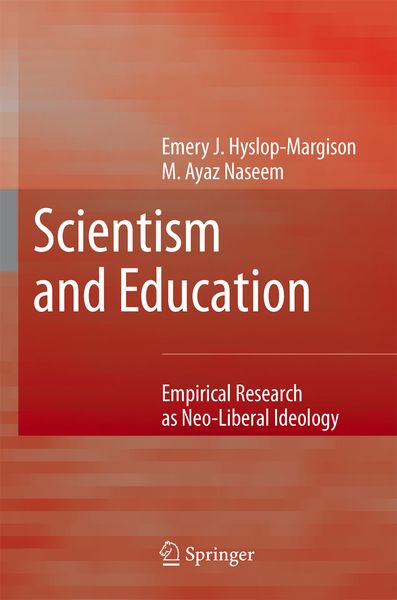
  • Produktbild: Scientism and Education
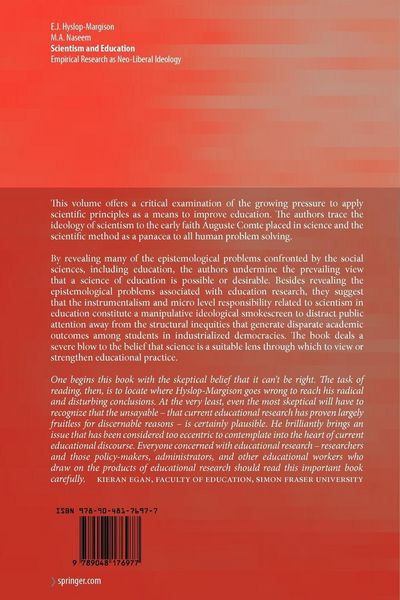
  • Produktbild: Scientism and Education

Scientism and Education Empirical Research as Neo-Liberal Ideology

Fr. 138.00

inkl. gesetzl. MwSt., Versandkostenfrei


Beschreibung

Produktdetails

Einband

Taschenbuch

Erscheinungsdatum

19.10.2010

Verlag

Springer Netherland

Seitenzahl

134

Maße (L/B/H)

23.5/15.5/0.9 cm

Gewicht

242 g

Auflage

Softcover reprint of hardcover 1st ed. 2007

Sprache

Englisch

ISBN

978-90-481-7697-7

Beschreibung

Produktdetails

Einband

Taschenbuch

Erscheinungsdatum

19.10.2010

Verlag

Springer Netherland

Seitenzahl

134

Maße (L/B/H)

23.5/15.5/0.9 cm

Gewicht

242 g

Auflage

Softcover reprint of hardcover 1st ed. 2007

Sprache

Englisch

ISBN

978-90-481-7697-7

Herstelleradresse

Springer-Verlag KG
Sachsenplatz 4-6
1201 Wien
AT

Email: GPSR Kontakt

Noch keine Bewertungen vorhanden

Verfassen Sie die erste Bewertung zu diesem Artikel

Helfen Sie anderen Kundinnen und Kunden durch Ihre Meinung.

Kundinnen und Kunden meinen

Bewertungen (0)

  • Produktbild: Scientism and Education
  • Produktbild: Scientism and Education
  • Foreword. . . . . . . . . . . . . . . . . . . . . . . . . . . . . . . . . . . . . . . . . . . . . . . . . . . . . . vii Acknowledgements . . . . . . . . . . . . . . . . . . . . . . . . . . . . . . . . . . . . . . . . . . . . . xiii Authors . . . . . . . . . . . . . . . . . . . . . . . . . . . . . . . . . . . . . . . . . . . . . . . . . . . . . . . xvii 1. Introduction. . . . . . . . . . . . . . . . . . . . . . . . . . . . . . . . . . . . . . . . . . . . . . . . 1 1.1 Chapter Preview. . . . . . . . . . . . . . . . . . . . . . . . . . . . . . . . . . . . . . . . . 6 2. Education Research . . . . . . . . . . . . . . . . . . . . . . . . . . . . . . . . . . . . . . . . . 8 2.1 Introduction . . . . . . . . . . . . . . . . . . . . . . . . . . . . . . . . . . . . . . . . . . . . 8 2.2 The History of Empirical Research in Education . . . . . . . . . . . . . . . 11 2.3 The Major Principles of Positivism . . . . . . . . . . . . . . . . . . . . . . . . . . 20 2.4 Postpositivism: A Break from Scientism? . . . . . . . . . . . . . . . . . . . . . 30 2.5 Some Philosophical Criticisms of LPE . . . . . . . . . . . . . . . . . . . . . . . 33 2.6 Current Context of Scientism and Education. . . . . . . . . . . . . . . . . . . 34 2.7 Summary . . . . . . . . . . . . . . . . . . . . . . . . . . . . . . . . . . . . . . . . . . . . . . 36 3. Epistemological Problems in Social Science Research . . . . . . . . . . . . . 37 3.1 Introduction . . . . . . . . . . . . . . . . . . . . . . . . . . . . . . . . . . . . . . . . . . . . 37 3.2 Critiques of Contemporary Social Science . . . . . . . . . . . . . . . . . . . . 37 3.3 Structuralism: Implications for Education . . . . . . . . . . . . . . . . . . . . . 41 3.4 Conceptual Frameworks Shape Research . . . . . . . . . . . . . . . . . . . . . 46 3.5 Kuhn’s Scientific Paradigms . . . . . . . . . . . . . .. . . . . . . . . . . . . . . . . 49 3.6 Popper and the Concept of Falsification . . . . . . . . . . . . . . . . . . . . . . 53 3.7 Summary . . . . . . . . . . . . . . . . . . . . . . . . . . . . . . . . . . . . . . . . . . . . . . 58 4. Empirical Research in Education . . . . . . . . . . . . . . . . . . . . . . . . . . . . . . 59 4.1 Introduction . . . . . . . . . . . . . . . . . . . . . . . . . . . . . . . . . . . . . . . . . . . . 59 4.2 Quality Education and Assessment Practices . . . . . . . . . . . . . . . . . . 60 4.3 The Problem of Researcher Bias . . . . . . . . . . . . . . . . . . . . . . . . . . . . 65 4.4 Conceptual Confusion and Construct Validity. . . . . . . . . . . . . . . . . . 74 4.5 The Problem of Generalizability . . . . . . . . . . . . . . . . . . . . . . . . . . . . 77 4.6 Same Evidence Leads to Different Conclusions . . . . . . . . . . . . . . . . 81 4.7 The Direct Reference Theory of Language . . . . . . . . . . . . . . . . . . . . 83 4.8 Summary . . . . . . . . . . . . . . . . . . . . . . . . . . . . . . . . . . . . . . . . . . . . . . 86 5. Education Research as Analytic Truths . . . . . . . . . . . . . . . . . . . . . . . . . 87 5.1 Introduction . . . . . . . . . . . . . . . . . . . . . . . . . . . . . . . . . . . . . . . . . . . . 87 5.2 Conceptual Confusion and Logical Tautology. . . . . . . . . . . . . . . . . . 88 5.3 The Case of Citizenship Education . . . . . . . . . . . . . . . . . . . . . . . . . . 92 5.4 Empirical Research and Teaching Methods. . . . . . . . . . . . . . . . . . . . 96 5.5 The Analytic Nature of Best Practice Claims . . . . . . . . . . . . . . . . . . 101 5.6 Summary . . . . . . . . . . . . . . . . . . . . . . . . . . . . . . . . . . . . . . . . . . . . . . 103 6. Empirical Research as Neo-liberal Ideology . . . . . . . . . . . . . . . . . . . . . 105 6.1 I