
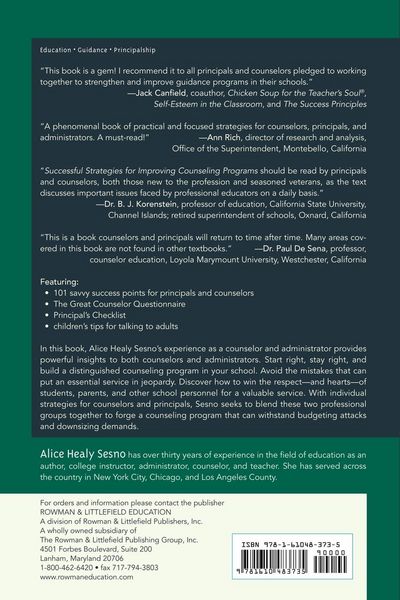
• Produktbild: Successful Strategies for Improving Counseling Programs
  • Produktbild: Successful Strategies for Improving Counseling Programs

Successful Strategies for Improving Counseling Programs

Fr. 61.90

inkl. gesetzl. MwSt., Versandkostenfrei


Beschreibung

Produktdetails

Einband

Taschenbuch

Erscheinungsdatum

01.09.2011

Verlag

Bloomsbury Academic

Seitenzahl

178

Maße (L/B/H)

22.9/15.2/1 cm

Gewicht

268 g

Sprache

Englisch

ISBN

978-1-61048-373-5

Beschreibung

Produktdetails

Einband

Taschenbuch

Erscheinungsdatum

01.09.2011

Verlag

Bloomsbury Academic

Seitenzahl

178

Maße (L/B/H)

22.9/15.2/1 cm

Gewicht

268 g

Sprache

Englisch

ISBN

978-1-61048-373-5

Herstelleradresse

Libri GmbH
Europaallee 1
36244 Bad Hersfeld
DE

Email: GPSR Kontakt

Noch keine Bewertungen vorhanden

Verfassen Sie die erste Bewertung zu diesem Artikel

Helfen Sie anderen Kundinnen und Kunden durch Ihre Meinung.

Kundinnen und Kunden meinen

Bewertungen (0)

Die Leseprobe wird geladen.
  • Produktbild: Successful Strategies for Improving Counseling Programs
  • Produktbild: Successful Strategies for Improving Counseling Programs
  • The Counselor's Role
    1. Know Who You Are!
    2. Manage Your Boss
    3. Meet Your Colleagues
    4. Set up a Professional Office
    5. Become a Master Planner
    6. Get Your Plan Approved
    7. Meet Your Constituencies
    8. Maintain a Working Schedule
    9. Create a Network of Advocates
    10. Understand the Budgeting Process
    11. Maintain a Log of Activities/Results
    12. Master the Memo
    13. Speak Effectively with Others
    14. Plan Ahead for the Help You Need (Finding a Mentor)
    15. Build Your Program, Step One
    16. Build Your Program, Step Two
    17.Maintain a "Suicide Watch"
    18. Beat the Bullies! Maintain Gang Awareness
    19. Self-Esteem is a Success Secret
    20. Provide Career-Building Experiences
    21. Become Your Teachers' Ally
    22. Keep Teachers Involved!
    23.Dress for Success-and Rapport!
    24. Consider Outreach Services
    25. Cover Your Assets!
    26. Maintain Your Morale
    27. Master the Interviewing Process
    28. Learn Psychological First Aid
    29. Confront Cheating
    30. Interrupt Academic Self-Destruction
    31. Prepare Kids for Relocation
    32. Develop Peer Mentoring Skills
    33. Build Social Skills Among Students
    34. Encourage Stress Reduction
    35. Develop Threat-Assessment Awareness
    36. Overcome Personal Depression and Despair
    37. Work With Parents!
    38. Promote Financial Fitness
    39. Nourish Thinking Skills
    40. Understand the Power of Culture
    41. Master Listening!
    42. Understand Discipline!
    43. Recognize Generational Values
    44.Promote Joy and Happiness
    45. Confront Child Abuse!
    46. Incorporate Ethics into Your Professional Activities
    47. Support Beginning Teachers
    48. Speak Well and Convincingly
    49. Maintain High Expectations
    50. Know How to Say Goodbye
    The PRINCIPAL's Role
    51. Participate Early in the Hiring Process
    52. Use the Interview as a Launching Pad
    53. Use Staff Meetings as Inclusionary Tool
    54. Have a Formal First Meeting
    55. Do your Homework (Office, Mission Statement)
    56. Schedule Counseling Staff Development Meetings for Entire Staff
    57. Have Counselor as Part of Your Advisory Team
    58.Share Information
    59.Express Approval of Counselor's Area of Expertise
    60. Spend Some Time in Their Office
    61. Invite Counselor to Sit in on Selected Conferences with Parents
    62. Be As Involved As You Can Be
    63. Share Budget Information
    64. Take to Administration Meeting(s)
    65. Provide Time and Funds for Their Attendance at Professional Development Meetings
    66. Support Your Head Counselors
    67. Be Aware of Duty Assignments
    68. Share Counselor Efforts as Part of Total School Plan
    69. Make Counselor Aware of Your Goal Regarding Counseling
    70.Suggest or Join a District or Superintendent's Committee Regarding Counseling
    71. Request Minutes of Counselor Meetings to Ascertain Needs
    72. Provide Cadre of Retired Counselors for Emergency Times
    73. Listen
    74. Publish
    75. Support Emotional Intelligence
    76. Support Bibliotherapy
    77.Be Sure They're Part of a Team
    78. Remember to Motivate
    79. Focus Each Day (The Power of 5)
    80. Are They Modeling You? (Who Are They Modeling?)
    81.Highlight Importance of 'Mothering' (Promoting Students' Mothers!)
    82. Have Interim Evaluation/Progress Assessment Meeting(s)
    83. Be Aware of Occurrences in Counselor's Personal Life
    84."It's Always Been Done That Way" (Support Necessary Changes)
    85. Clarify Your Motive(s) for Involvement
    86. Patience
    87.Integrate Ideas-Take from Academic and Use in Counseling
    88. Bring in the Stars
    89. What About Discipline
    90. Total School Team Interim Evaluation
    91. Report Successes, Share Success Strategies, Visualize Successes
    92. Associate With Positive Colleagues
    93. Have a Success Discussion
    94. Get Them Off to a Great Start! (The First Day of School)
    95. Not Always Mr. Nice Guy
    96.Be Alert to How "Customers" Feel About Them
    97. What About Crisis Plans, Teams, Situations
    98. Get Out There
    99. Maintain Focus/Ask the Right Questions .
    100. Be a Great Manager and Coach
    101. Know You Can Do It and Do It Now
    Attachment I ~ Sample Grid
    Attachment II ~ Log of Guidance Services
    Attachment III ~ Numerical Report on Counseling Activities
    Attachment IV ~ Fog Index
    Attachment V ~ Adam & Alice's Magic Tips for Talking to Adults