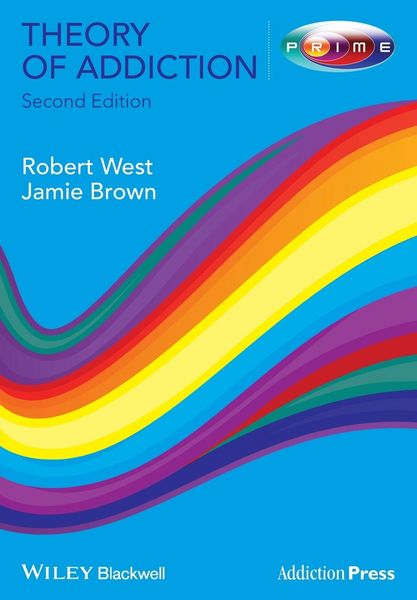
Theory of Addiction
-
- Taschenbuch ausgewählt
- eBook
-
Sprache:Englisch
-
Verlag:Wiley
Fr. 69.90
inkl. gesetzl. MwSt.,
Beschreibung
Produktdetails
Einband
Taschenbuch
Erscheinungsdatum
11.10.2013
Verlag
WileySeitenzahl
288
Maße (L/B/H)
24.4/17/1.5 cm
Gewicht
431 g
Auflage
2. Auflage
Sprache
Englisch
ISBN
978-0-470-67421-5
The word 'addiction' these days is used to refer to a chronic condition where there is an
unhealthily powerful motivation to engage in a particular behaviour. This can be driven by
many different factors - physiological, psychological, environmental and social. If we say that it
is all about X, we miss V, W, Y and Z. So, some people think addicts are using drugs to escape
from unhappy lives, feelings of anxiety and so on; many are. Some people think drugs become
addictive because they alter the brain chemistry to create powerful urges; that is often true.
Others think that drug taking is about seeking after pleasure; often it is. Some take the view that
addiction is a choice - addicts weigh up the pros and cons of doing what they do and decide
the former outweigh the latter. Yet others believe that addicts suffer from poor impulse control;
that is often true... And so it goes on.
When you look at the evidence, you see that all these positions capture important aspects of
the problem - but they are not complete explanations. Neuroscience can help us delve more
deeply into some of these explanations, while the behavioural and social sciences are better at
exploring others. We need a model that puts all this together in a way that can help us decide
what to do in different cases. Should we prescribe a drug, give the person some 'tender loving
care', put them in prison or what? Theory of Addiction provides this synthesis.
The first edition was well received:
'Throughout the book the reader is exposed to a vast number of useful observations...The
theoretical aims are timely, refreshing, ambitious and above all challenging. It opens up a new
way of looking at addiction and has the potential to move the field of addiction a considerable
leap forward. Thus we wholeheartedly would like to recommend the book for students as well
as scholars. Read and learn!' Nordic Studies on Alcohol and Drugs
'The book provides a comprehensive review of existing theories - over 30 in all - and this
synthesis of theories constitutes an important contribution in and of itself... West is to be
commended for his synthesis of addiction theories that span neurobiology, psychology and
social science and for his insights into what remains unexplained.' Addiction
the field, a more developed specification of PRIME theory and analysis of the expanding
evidence base.
With this important new information, Theory of Addiction will continue to be essential reading
for all those working in addiction, from student to experienced practitioner - as urged above,
Read and learn!
Kundinnen und Kunden meinen
Verfassen Sie die erste Bewertung zu diesem Artikel
Helfen Sie anderen Kund*innen durch Ihre Meinung