Gutscheinbedingungen

*Gültig bis 05.07.2026 auf (fast) alles. Ausgeschlossen sind Smartboxen, Zeitschriften, Tickets, Lebensmittel, Gaming-Elektroartikel, Tinte/Toner, Gutscheine, Geschenkkarten, Blumen und Abos | Einlösbar in allen Buchhandlungen von Orell Füssli, Barth Bücher, Buchladen Rapunzel, Papeterie Köhler, Schuler Orell Füssli, Stauffacher und ZAP unter Vorweisung des Gutscheins, auf www.orellfüssli.ch durch Eingabe des Gutscheincodes. Beim Service „eBooks verschenken“ und bei eBook-Käufen via eReader nicht einlösbar | Mindesteinkaufswert: Fr. 30.- | Nicht mit anderen Rabatten kumulierbar.

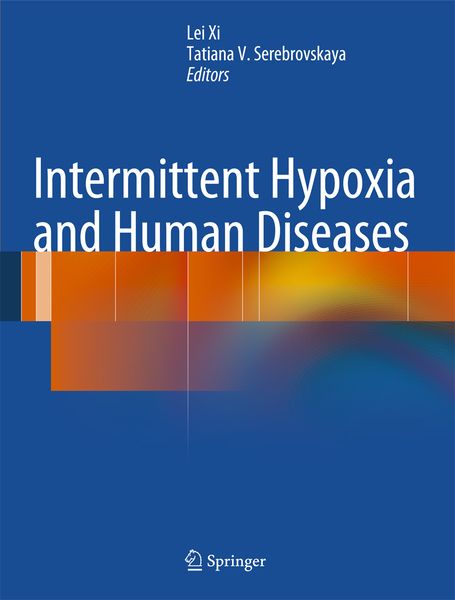
Produktbild: Intermittent Hypoxia and Human Diseases

Intermittent Hypoxia and Human Diseases

Fr. 210.00

inkl. gesetzl. MwSt., Versandkostenfrei


Beschreibung

Produktdetails

Einband

Gebundene Ausgabe

Erscheinungsdatum

07.06.2012

Herausgeber

Lei Xi + weitere

Verlag

Springer London

Seitenzahl

316

Maße (L/B/H)

28.5/21.5/2.4 cm

Gewicht

1076 g

Auflage

2012

Sprache

Englisch

ISBN

978-1-4471-2905-9

Beschreibung

Produktdetails

Einband

Gebundene Ausgabe

Erscheinungsdatum

07.06.2012

Herausgeber

Verlag

Springer London

Seitenzahl

316

Maße (L/B/H)

28.5/21.5/2.4 cm

Gewicht

1076 g

Auflage

2012

Sprache

Englisch

ISBN

978-1-4471-2905-9

Herstelleradresse

Springer-Verlag KG
Sachsenplatz 4-6
1201 Wien
AT

Email: GPSR Kontakt

Noch keine Bewertungen vorhanden

Verfassen Sie die erste Bewertung zu diesem Artikel

Helfen Sie anderen Kundinnen und Kunden durch Ihre Meinung.

Kundinnen und Kunden meinen

Bewertungen (0)

  • Produktbild: Intermittent Hypoxia and Human Diseases
  • 1.Sleep Disordered Breathing and Cardiac Arrhythmias.- 2.Effects of Chronic Intermittent Hypoxia on Cardiac Rhythm Transcriptomic Networks.- 3.Intermittent Hypoxia and Atherosclerosis.- 4.Protective Effects of Chronic Intermittent Hypoxia Against Myocardial Ischemia/Reperfusion Injury.- 5.Role of Mitochondrial Permeability Transition Pore in Intermittent Hypoxia-Induced Cardiac and Neuronal Protection.- 6.Intermittent Hypoxia Alters the Function of Cardiovascular Neurons and Reflex Pathways in the Brainstem.- 7.Effect of Intermittent Hypoxia on Breathing Stability in Individuals with Sleep Apnea .- 8.Activation of Inflammatory Circulating Factors by Intermittent Hypoxia in Sleep Apnea Syndrome.- 9.Beneficial Effects of Intermittent Normobaric Hypoxia Training on Respiratory Function in Patients with Chronic Pulmonary Diseases.- 10. Effects of Intermittent Hypoxic Training on Exercise Tolerance in Patients with Chronic Obstructive Pulmonary Disease.- 11.Intermittent Hypoxia inTreatment of Bronchial Asthma in Childhood.- 12.Intermittent Hypoxia and Experimental Parkinson’s Disease.- 13.Protective Effects of Adaptation to Hypoxia in Experimental Alzheimer’s Disease.- 14.Neuroprotective Mechanisms of Intermittent Hypoxia: An In Vitro Study.- 15.Intermittent Hypoxia Training to Enhance Endurance in Elite Swimmers.- 16. Adaptation to Intermittent Hypoxia/Hyperoxia Enhances Efficiency of Exercise Training.- 17.Hypobaric Interval Hypoxia as a Non-Medication Method of Improving the Functional State of Aerospace Pilots and Astronauts.- 18. Intermittent Hypoxia Remedies Male Sub-fertility.- 19.Anticancer Effects of Intermittent Hypoxia in Acute Myeloid Leukemia.- 20.Energotropic Effects of Intermittent Hypoxia: Role of Succinate-Dependent Signaling.- 21.Intermittent Hypoxia and Health: from Evolutionary Aspects to Mitochondrial Rejuvenation.- 22.Benefits and Risks of Different Regimen of Intermittent Hypoxic Training.- 23.Individualized Intermittent Hypoxia Training:Principles and Practices.- 24.Hypoxicators: Review of the Operating Principles and Constructions.- 25.Method of Combined Intermittent Hypoxia and Surface Muscle Electrostimulation for Enhancing Peripheral Stem Cells in Humans.

    Intermittent Hypoxia and Atherosclerosis.- 4.Protective Effects of Chronic Intermittent Hypoxia Against Myocardial Ischemia/Reperfusion Injury.- 5.Role of Mitochondrial Permeability Transition Pore in Intermittent Hypoxia-Induced Cardiac and Neuronal Protection.- 6.Intermittent Hypoxia Alters the Function of Cardiovascular Neurons and Reflex Pathways in the Brainstem.- 7.Effect of Intermittent Hypoxia on Breathing Stability in Individuals with Sleep Apnea .- 8.Activation of Inflammatory Circulating Factors by Intermittent Hypoxia in Sleep Apnea Syndrome.- 9.Beneficial Effects of Intermittent Normobaric Hypoxia Training on Respiratory Function in Patients with Chronic Pulmonary Diseases.- 10. Effects of Intermittent Hypoxic Training on Exercise Tolerancein Patients with Chronic Obstructive Pulmonary Disease.- 11.Intermittent Hypoxia in Treatment of Bronchial Asthma in Childhood.- 12.Intermittent Hypoxia and Experimental Parkinson’s Disease.- 13.Protective Effects of Adaptation to Hypoxia in Experimental Alzheimer’s Disease.- 14.Neuroprotective Mechanisms of Intermittent Hypoxia: An In Vitro Study.- 15.Intermittent Hypoxia Training to Enhance Endurance in Elite Swimmers.- 16. Adaptation to Intermittent Hypoxia/Hyperoxia Enhances Efficiency of Exercise Training.- 17.Hypobaric Interval Hypoxia as a Non-Medication Method of Improving the Functional State of Aerospace Pilots and Astronauts.- 18. Intermittent Hypoxia Remedies Male Sub-fertility.- 19.Anticancer Effects of Intermittent Hypoxia in Acute Myeloid Leukemia.- 20.Energotropic Effects of Intermittent Hypoxia: Role of Succinate-Dependent Signaling.- 21.Intermittent Hypoxia and Health: from Evolutionary Aspects to Mitochondrial Rejuvenation.- 22.Benefits and Risks of Different Regimen of Intermittent Hypoxic Training.- 23.Individualized Intermittent Hypoxia Training: Principles and Practices.- 24.Hypoxicators: Review of the Operating Principles and Constructions.- 25.Method of Combined Intermittent Hypoxia and Surface Muscle Electrostimulation for Enhancing Peripheral Stem Cells in Humans.