Gutscheinbedingungen

*Gültig bis 20.07.2026 auf alle Bücher. Ausgeschlossen sind Zeitschriften, Prozentbücher und Abos | Einlösbar in allen Buchhandlungen von Orell Füssli, Barth Bücher, Buchladen Rapunzel, Papeterie Köhler, Schuler Orell Füssli, Stauffacher und ZAP unter Vorweisung des Gutscheins, auf www.orellfüssli.ch durch Eingabe des Gutscheincodes. Beim Service „eBooks verschenken“ und bei eBook-Käufen via eReader nicht einlösbar | Mindesteinkaufswert: Fr. 30.- | Nicht mit anderen Rabatten kumulierbar.

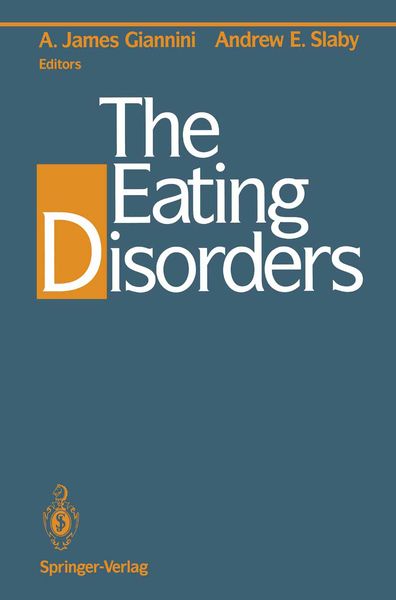
  • Produktbild: The Eating Disorders
  • Produktbild: The Eating Disorders

The Eating Disorders

Fr. 72.90

inkl. gesetzl. MwSt., Versandkostenfrei


Beschreibung

Produktdetails

Einband

Taschenbuch

Erscheinungsdatum

08.11.2011

Herausgeber

A.James Giannini + weitere

Verlag

Springer Us

Seitenzahl

286

Maße (L/B/H)

23.5/15.5/1.7 cm

Gewicht

470 g

Auflage

Softcover reprint of the original 1st ed. 1993

Sprache

Englisch

ISBN

978-1-4613-8302-4

Beschreibung

Produktdetails

Einband

Taschenbuch

Erscheinungsdatum

08.11.2011

Herausgeber

Verlag

Springer Us

Seitenzahl

286

Maße (L/B/H)

23.5/15.5/1.7 cm

Gewicht

470 g

Auflage

Softcover reprint of the original 1st ed. 1993

Sprache

Englisch

ISBN

978-1-4613-8302-4

Herstelleradresse

Springer-Verlag KG
Sachsenplatz 4-6
1201 Wien
AT

Email: GPSR Kontakt

Noch keine Bewertungen vorhanden

Verfassen Sie die erste Bewertung zu diesem Artikel

Helfen Sie anderen Kundinnen und Kunden durch Ihre Meinung.

Kundinnen und Kunden meinen

Bewertungen (0)

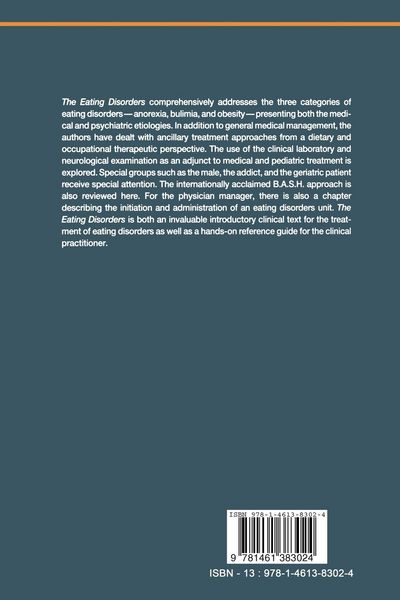
  • Produktbild: The Eating Disorders
  • Produktbild: The Eating Disorders
  • 1. History of Anorexia Nervosa.- Early Observations.- Chlorosis.- Early Treatment.- Anorexia in Victorian Times.- Gull and Laseque.- The Biological Era.- The Psychoanalytic Era.- Anorexia Today.- Summary.- References.- 2. A History of Bulimia.- References.- 3. The History of Obesity.- References.- 4. The Presentation of Obesity.- What is Obesity?.- Summary: How the Patient Presents.- References.- 5. The Biological Basis of Bulimia.- Brain Regulation of Appetite and Feeding.- Bulimia and Affective Disorders.- Drug Trials I—Suggested by Theorized Relationship of Bulimia to Affective Disorders.- Drug Trials II—Suggested by Theorized Relationship of Bulimia to Seizure Disorder.- Drug Trials III—Suggested by Theorized Neurotransmitter Control of Appetite.- Conclusion.- References.- 6. Biological Factors in Obesity.- Overview.- Genetics.- Perinatal Factors.- Neuroanatomy and Neurochemistry of Eating.- Nutritional Factors.- Metabolic Factors.- Biological Models of Obesity.- References.- 7. Clinical Laboratory Aspects of Eating Disorders.- General Laboratory and Medical Considerations.- Basal Luteinizing, Follicle Stimulating Hormone, and Gonadotropin Releasing Factor (GnRF) Challenge Studies.- Basal Thyroid, Prolactin, Growth Hormone, and TRH Challenge Testing.- Dexamethasone Suppression Testing.- Drugs of Abuse, Diuretics, and Laxative Testing.- Additional Considerations.- Conclusion.- References.- 8. Neuropsychiatric Approach to the Eating Disorder Patient.- Medical Mimics.- Neuropsychiatric Investigation.- Clinical Example.- References.- 9. Anorexia in the Elderly.- References.- 10. Depression and Eating Disorders.- Frequency of Depression.- Family Studies.- Antidepressant Treatment.- Polysomnography.- Positron Emission Tomography.- Neuroendocrinology.- Neurochemistry.- Summary.- References.- 11. Sexual Abuse and Its Relationship to Eating Disorders.- References.- 12. Males with Eating Disorders.- Anorexia Nervosa.- Bulimia Nervosa.- Conclusion.- References.- 13. The Medical Care of the Patient with an Eating Disorder.- Endocrine and Metabolic Complications.- Cardiac Complications.- Gastrointestinal Complications.- References.- 14. Pediatric Management of Eating Disorders.- Anorexia Nervosa and Bulimia.- Specific Organ System Involvement.- Obesity.- Summary.- References.- 15. The B.A.S.H. Approach.- Program Structure.- The “Significant Other”.- Religion.- Evaluation.- Conclusion.- References.- 16. The Hospital Treatment of Eating Disorders.- Indications for Hospitalization.- Treatment Interventions.- Treatment Planning.- Conclusion.- References.- 17. The Treatment of Obesity.- Defining Obesity.- Weight Loss.- The Diet.- Behavior Therapy.- Weight Loss Programs and Products.- Conclusion.- References.- 18. Eating Disorders and Drug and Alcohol Dependency.- Definitions and General Characteristics of the Disorders.- Prevalence of the Disorders.- The Co-occurrence of Alcohol and Drug Dependence and Eating Disorders.- Familial Rates in the Disorders.- Common Interactions Between the Disorders.- Treatment.- Future Research.- References.- 19. Occupational Therapy Treatment of Anorexia Nervosa.- Occupational Behavior: A Model of Practice.- Treatment Strategies, Assessment, and Treatment Intervention.- Assessment.- Summary.- References.- 20. Occupational Therapy Treatment of Bulimia Nervosa.- Bulimia Nervosa.- A Theoretical Model in Treatment of Bulimia Nervosa: Occupational Behavior.- Summary.- References.- 21. Dietary Management of Eating Disorders.- Nutrition Assessment.- Eating Disorders.- Anorexia Nervosa.- Bulimia.- Obesity.- Summary.- References.- 22. Administration and Management of Eating Disorders Units.- Admission Criteria and Procedure.- Nutritional Assessment and Treatment.- Patient Classification.- Quality Assurance and Control.- Unit Standards.- Conclusion.- References.- 23. Literary Resources.- Birth of the Modern (Paul Johnson).- Bonfire of the Vanities (Tom Wolfe).- Bread and Chocolate (Francis Brusati).- Decameron (Giovanni Bocaccio).- Dinner at Eight (George S. Kaufman/Edna Ferber).- Dinner for Adele (Oldrich Lipsky).- English Wayfaring Life in the Middle Ages (J.J. Jessread).- Fatso (Anne Bancroft).- Georgy Girl (Silvio Narizzino).- Good Fellows (Martin Scorcese).- Le Morte D’Arthur (Sir Thomas Mallory).- Metamorphosis (Franz Kafka).- Nina’s Book (Eugene Burdick).- Pantagruel (Francois Rabelais).- Satyricon (Titus Petronius Arbiter).- Sermons (Bernard of Clairvaux).- The Physiology of Taste (Jean-Anthelme Brillat-Savarin).- Voss (Theodore White).