Gutscheinbedingungen

*Gültig bis 07.06.2026 auf (fast) alles. Ausgeschlossen sind Smartboxen, Zeitschriften, Tickets, Lebensmittel, Gaming-Elektroartikel, Tinte/Toner, Gutscheine, Geschenkkarten, Blumen und Abos | Einlösbar in allen Buchhandlungen von Orell Füssli, Barth Bücher, Buchladen Rapunzel, Schuler Orell Füssli, Stauffacher und ZAP unter Vorweisung des Gutscheins, auf www.orellfüssli.ch durch Eingabe des Gutscheincodes. Beim Service „eBooks verschenken“ und bei eBook-Käufen via eReader nicht einlösbar | Mindesteinkaufswert: Fr. 100.- | Nicht mit anderen Rabatten kumulierbar.

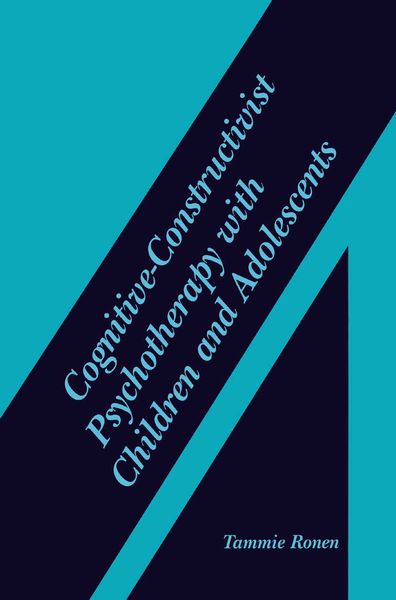
  • Produktbild: Cognitive-Constructivist Psychotherapy with Children and Adolescents
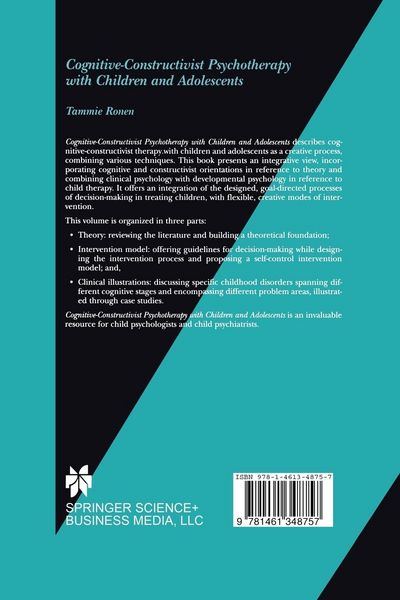
  • Produktbild: Cognitive-Constructivist Psychotherapy with Children and Adolescents

Cognitive-Constructivist Psychotherapy with Children and Adolescents

Fr. 138.00

inkl. gesetzl. MwSt., Versandkostenfrei


Beschreibung

Produktdetails

Einband

Taschenbuch

Erscheinungsdatum

16.09.2012

Verlag

Springer Us

Seitenzahl

257

Maße (L/B/H)

23.5/15.5/1.5 cm

Gewicht

417 g

Auflage

Softcover reprint of the original 1st ed. 2003

Sprache

Englisch

ISBN

978-1-4613-4875-7

Beschreibung

Produktdetails

Einband

Taschenbuch

Erscheinungsdatum

16.09.2012

Verlag

Springer Us

Seitenzahl

257

Maße (L/B/H)

23.5/15.5/1.5 cm

Gewicht

417 g

Auflage

Softcover reprint of the original 1st ed. 2003

Sprache

Englisch

ISBN

978-1-4613-4875-7

Herstelleradresse

Springer-Verlag KG
Sachsenplatz 4-6
1201 Wien
AT

Email: ProductSafety@springernature.com

Kundinnen und Kunden meinen

0 Bewertungen

Informationen zu Bewertungen

Zur Abgabe einer Bewertung ist eine Anmeldung im Konto notwendig. Die Authentizität der Bewertungen wird von uns nicht überprüft. Wir behalten uns vor, Bewertungstexte, die unseren Richtlinien widersprechen, entsprechend zu kürzen oder zu löschen.

Die Bewertungen sind nach Format, Anzahl Sterne und Datum sortiert.

Verfassen Sie die erste Bewertung zu diesem Artikel

Helfen Sie anderen Kund*innen durch Ihre Meinung

Kundinnen und Kunden meinen

0 Bewertungen filtern

  • Produktbild: Cognitive-Constructivist Psychotherapy with Children and Adolescents
  • Produktbild: Cognitive-Constructivist Psychotherapy with Children and Adolescents
  • I: Theoretical Ground For Cognitiveconstructivist Psychotherapy With Children And Adolescents.- The Unique Nature of Child Psychotherapy.- The Complexity of Child Therapy.- Gender as a Component To Be Considered.- The Impact of Children’s Cognitive Level.- The Influence of Children’s Emotional Stage.- Mobilizing the Child’s Motivation for Change.- Personal Style, Interests, and Culture.- Cognitive-Constructivist Therapy with Children.- The Basic Assumptions of Cognitive Theory.- The Basics of Constructivist Therapy.- The Cognitive-Constructivist View of Therapy.- Child Development in View of Cognitive-Constructivist Theories.- Adapting Cognitive-Constructivist Psychotherapy to Children.- Basic Principles in Applying Cognitive-Constructivist Therapy with Children.- Creative Intervention.- Defining Creativity.- The Creative Process.- Characteristics of Creative People.- Art as a Creative Intervention.- Creative Psychotherapists.- Techniques to Facilitate Creativity.- II: Applying an Intervention Model.- Making Decisions on Therapy.- A Preface: Assessment as an Essential Treatment Feature from Start to Finish.- Phase 1: How to Decide If Therapy Is Needed Based on the Unique Nature of Childhood.- Phase 2: How to Classify Children’s Referrals and Goals for Change.- Phase 3: How to Decide Who Should Be Treated (Setting) Based on Developmental Variables and Referral Type.- Phase 4: Creative Thinking in Selecting Appropriate Modes and Techniques for Change.- Phase 5: How to Evaluate and Maintain Treatment Outcomes.- Self-Control Therapy with Children.- Imparting Children with Self-Control Skills.- The Efficacy of the Self-Control Intervention Model (SCIM) with Children.- Description of the Self-Control Intervention Model (SCIM).- III: Childhood Disorders: Reviewsand Case Studies.- Early Childhood.- Selective MutisDl.- Literature Review.- Ben’s Story of Silence.- AnxietyDisorder.- Literature Review.- Ari’s Fear of Winter, Winds, and Thunderstorms.- Middle Childhood.- Trawnatized Children.- Literature Review.- The Case of Lee: Abuse, Neglect, and Adoption.- Psychosomatfc Pain.- Literature Review.- Dan, a Boy with Psychosomatic Aches.- Adolescence.- Enuresis.- Literature Review.- The Case of Sharon’s Bedwetting.- Oppositional Defiant Disorder.- Literature Review.- Treating Guy: An Adolescent with Oppositional Defiant Disorder.- Childhood Depression.- Literature Review.- Jacob: Treating Depression and Helplessness.- IV: Summary And Closing Remarks.- Linking the Theoretical Ground and Case Studies in Light of the Different Phases of Intervention.- Epilogue: The Therapeutic Relationship and the Therapist’s Own Creativity and Flexibility.- The Role of the Therapeutic Relationship in Decision Making and Intervention.- Therapist Flexibility and Creativity.- References.- About the Author.