• Produktbild: Physiology of Fish in Intensive Culture Systems
  • Produktbild: Physiology of Fish in Intensive Culture Systems

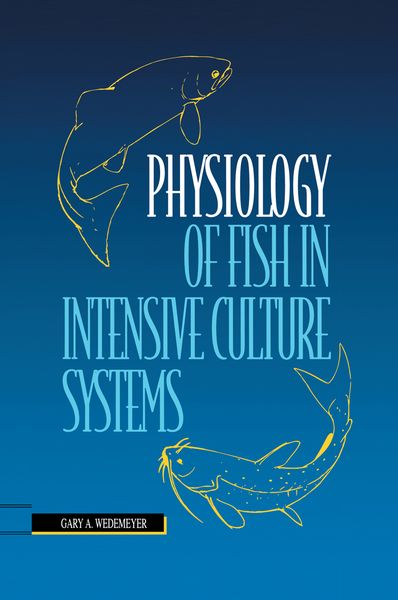
Physiology of Fish in Intensive Culture Systems

Fr. 264.00

inkl. gesetzl. MwSt., Versandkostenfrei


Beschreibung

Produktdetails

Einband

Taschenbuch

Erscheinungsdatum

25.09.2012

Verlag

Springer Us

Seitenzahl

232

Maße (L/B/H)

22.9/15.2/1.5 cm

Gewicht

379 g

Auflage

1996

Sprache

Englisch

ISBN

978-1-4613-7754-2

Beschreibung

Produktdetails

Einband

Taschenbuch

Erscheinungsdatum

25.09.2012

Verlag

Springer Us

Seitenzahl

232

Maße (L/B/H)

22.9/15.2/1.5 cm

Gewicht

379 g

Auflage

1996

Sprache

Englisch

ISBN

978-1-4613-7754-2

Herstelleradresse

Springer-Verlag GmbH
Tiergartenstr. 17
69121 Heidelberg
DE

Email: GPSR Kontakt

Kundinnen und Kunden meinen

0 Bewertungen

Informationen zu Bewertungen

Zur Abgabe einer Bewertung ist eine Anmeldung im Konto notwendig. Die Authentizität der Bewertungen wird von uns nicht überprüft. Wir behalten uns vor, Bewertungstexte, die unseren Richtlinien widersprechen, entsprechend zu kürzen oder zu löschen.

Die Bewertungen sind nach Format, Anzahl Sterne und Datum sortiert.

Verfassen Sie die erste Bewertung zu diesem Artikel

Helfen Sie anderen Kund*innen durch Ihre Meinung

Kundinnen und Kunden meinen

0 Bewertungen filtern

  • Produktbild: Physiology of Fish in Intensive Culture Systems
  • Produktbild: Physiology of Fish in Intensive Culture Systems
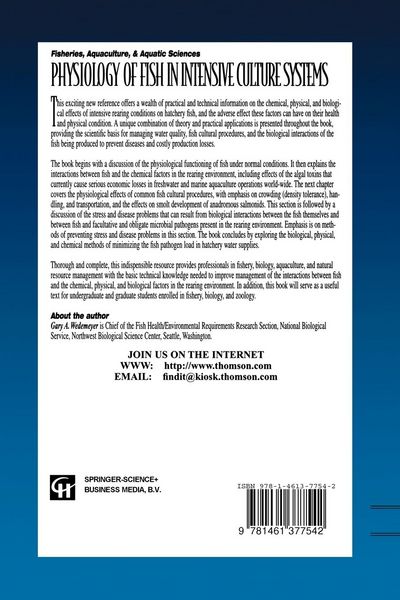
  • Preface. Acknowledgements. List of Scientific Names. Chapter 1: Introduction: Historical perspective; The aquatic environment; The intensive culture environment. Chapter 2: Basic physiological functions: Introduction; Respiration and oxygen consumption; Blood and circulation; Osmoregulation; Parr-smolt transformation; Feeding, digestion, excretion; Immune protection; Stress response. Chapter 3: Effects of water quality conditions: Introduction; Water quality requirements: acidity; alkalinity; ammonia; carbon dioxide; chlorine; dissolved oxygen; hardness; heavy metals; hydrogen sulfide; nitrate, nitrite; supersaturation; temperature; Total dissolved solids, salinity; Total suspended solids, turbidity; summary; Disease problems associated with water quality conditions: Gas bubble disease (Gas bubble trauma); Methemoglobinemia (Brown blood disease); Visceral granuloma and nephrocalcinosis; Blue sac disease (Hydrocele embronalis); White spot (Coagualted yolk) disease; Soft shell disease (Soft egg disease); Algal toxins. Chapter 4: Effects of fish cultural procedures: Introduction; Crowding; Transportation; Formulated diets/adventitious toxins; Effects of smolt development; Chapter 5: Biological interactions during rearing: Introduction; Interactions between fish; Interactions between fish and microorganisms: fish-pathogens-environment relationship; Infection into disease:mechanisms; Stress-mediated diseases; Diseases as indicators of environmental quality; Managing biological interactions to prevent diseases. Chapter 6: Methods to minimize pathogen exsposure: Introduction; Biological methods; water treatment systems: Chloration; Ultraviolet light; ozone. Introduction: Basic physiological functions; Effects of water quality conditions; Effects of fish cultural procedures; Biological interactions during rearing; Methods to minimize pathogen exposure.