
• Produktbild: The Partnership Model in Human Services
  • Produktbild: The Partnership Model in Human Services

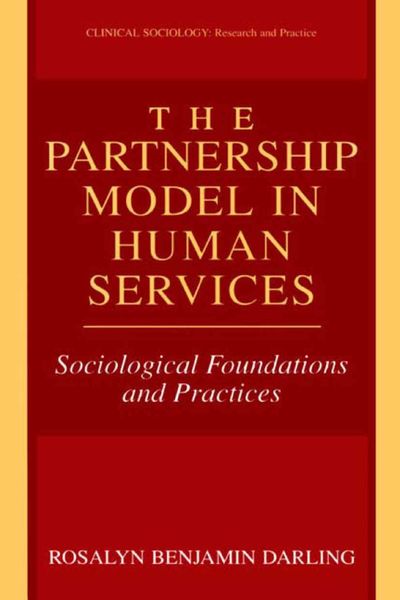
The Partnership Model in Human Services Sociological Foundations and Practices

Fr. 191.00

inkl. gesetzl. MwSt., Versandkostenfrei


Beschreibung

Produktdetails

Einband

Taschenbuch

Erscheinungsdatum

23.03.2013

Verlag

Springer Us

Seitenzahl

308

Maße (L/B/H)

27.9/21/1.8 cm

Gewicht

836 g

Auflage

1999

Sprache

Englisch

ISBN

978-1-4757-7323-1

Beschreibung

Rezension

`
This volume represents a synthesis of human service practice and the academic field of sociology. The primary audience for this book is upper-level undergraduate sociology students, but the material has been used in a graduate course on sociological practice. Professionals practicing in the human service field, especially those without backgrounds in sociology who are trying to align their practices with the new client- and family-centered partnership models may find this book useful.
'

Administration and Policy in Mental Health, January 2001

Produktdetails

Einband

Taschenbuch

Erscheinungsdatum

23.03.2013

Verlag

Springer Us

Seitenzahl

308

Maße (L/B/H)

27.9/21/1.8 cm

Gewicht

836 g

Auflage

1999

Sprache

Englisch

ISBN

978-1-4757-7323-1

Herstelleradresse

Springer-Verlag GmbH
Tiergartenstr. 17
69121 Heidelberg
DE

Email: GPSR Kontakt

Noch keine Bewertungen vorhanden

Verfassen Sie die erste Bewertung zu diesem Artikel

Helfen Sie anderen Kundinnen und Kunden durch Ihre Meinung.

Kundinnen und Kunden meinen

Bewertungen (0)

  • Produktbild: The Partnership Model in Human Services
  • Produktbild: The Partnership Model in Human Services
  • Preface. Part I: Background and Theoretical Foundations. 1. The Partnership Approach: A Sociological Model of Practice. 3. Theoretical Foundations I: Social Structure. 4. Theoretical Foundations II: Social Process. Part II: The Client's Social World and Methods for Discovering It. 5. The Social World of the Service User. 6. Identification Techniques I: Observation. 7. Identification Techniques II: Interviewing. 8. Identification Techniques III: Questionnaires. Part III: Models of Intervention and Evaluation. 9. Linking Identification and Intervention: Developing and Implementing Service Plans. 10. Social Change, Social Problems, and the Limits of Intervention. 11. Service Evaluation. Chapter Summary. Suggested Exercise I. Suggested Exercise II. Suggestions for Further Reading. Review of the Process of Partnership-Based Practice. References.