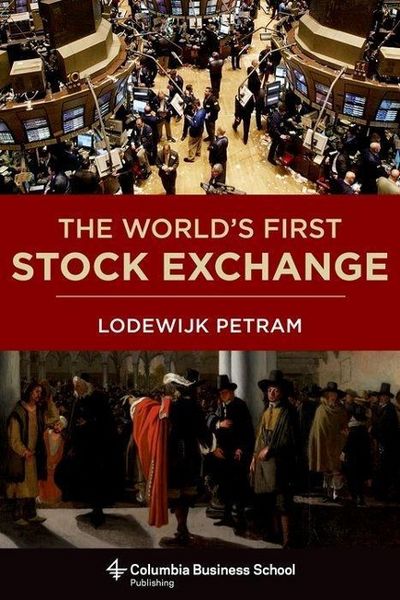
The World's First Stock Exchange Columbia Business School Publishing
Fr. 39.90
inkl. gesetzl. MwSt.,
Beschreibung
Produktdetails
Einband
Gebundene Ausgabe
Erscheinungsdatum
27.05.2014
Abbildungen
20 illustrations
Verlag
Columbia University PressSeitenzahl
304
Maße (L/B/H)
23.6/15.9/3 cm
Gewicht
554 g
Übersetzt von
Lynne Richards
Sprache
Englisch
ISBN
978-0-231-16378-1
The launch of the Dutch East India Company in 1602 initiated Amsterdam's transformation from a regional market town into a dominant financial center. The Company introduced easily transferable shares, and within days buyers had begun to trade them. Soon the public was engaging in a variety of complex transactions, including forwards, futures, options, and bear raids, and by 1680, the techniques deployed in the Amsterdam market were as sophisticated as any we practice today. Lodewijk Petram's eye-opening history demystifies financial instruments by linking today's products to yesterday's innovations, tying the market's operation to the behavior of individuals and the workings of the world around them. Traveling back to seventeenth-century Amsterdam, Petram visits the harbor and other places where merchants met to strike deals. His history clarifies concerns that investors still struggle with today, such as fraud, the value of information, trust and the place of honor, managing diverging expectations, and balancing risk, and does so in a way that is vivid, relatable, and critical to understanding our contemporary financial predicament.
Noch keine Bewertungen vorhanden
Verfassen Sie die erste Bewertung zu diesem Artikel
Helfen Sie anderen Kundinnen und Kunden durch Ihre Meinung.