- 89%
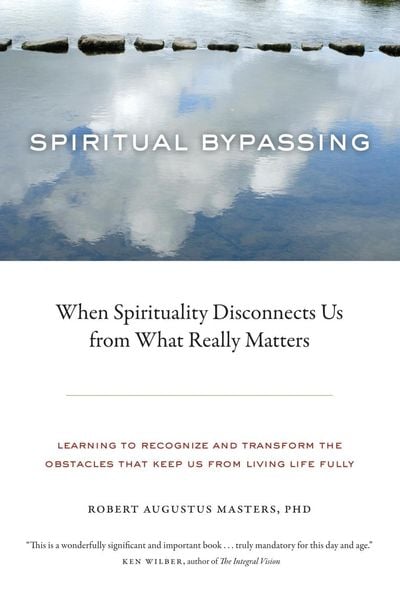
Spiritual Bypassing When Spirituality Disconnects Us from What Really Matters
-
- Taschenbuch
- eBook ausgewählt
-
Form:Einzelkauf Download
-
Sprache:Englisch
89%
sparen
Fr. 2.40
Fr. 23.90
*
Beschreibung
Produktdetails
Format
ePUB
Kopierschutz
Ja
Family Sharing
Ja
Text-to-Speech
Ja
Erscheinungsdatum
07.09.2010
Verlag
North Atlantic BooksSeitenzahl
224 (Printausgabe)
Dateigröße
1954 KB
Sprache
Englisch
EAN
9781583942925
"A wonderfully significant and important book." -Ken Wilber, The Integral Vision
"A timely and penetrating analysis of spirituality's shadow." -Stephen Batchelor, Buddhism without Beliefs
A spiritual teacher and integral psychotherapist offers a first-of-its-kind study on how we use-and abuse-spiritual beliefs and practices, revealing how to identify and move beyond what holds us back from living life fully.
Spiritual bypassing-the use of spiritual beliefs to avoid dealing with painful feelings, unresolved wounds, and developmental needs-is so pervasive that it goes largely unnoticed. The spiritual ideals of any tradition, whether Christian commandments or Buddhist precepts, can provide easy justification for practitioners to duck uncomfortable feelings in favor of more seemingly enlightened activity. When split off from fundamental psychological needs, such actions often do much more harm than good.
While other authors have touched on the subject, this is the first book fully devoted to spiritual bypassing. In the lineage of Chögyam Trungpa's landmark Cutting Through Spiritual Materialism, Spiritual Bypassing provides an in-depth look at the unresolved or ignored psychological issues often masked as spirituality, including self-judgment, excessive niceness, and emotional dissociation. A longtime psychotherapist with an engaging writing style, Masters furthers the body of psychological insight into how we use (and abuse) religion in often unconscious ways. This book will hold particular appeal for those who grew up with an unstructured new-age spirituality now looking for a more mature spiritual practice, and for anyone seeking increased self-awareness and a more robust relationship with themselves and others.
"A timely and penetrating analysis of spirituality's shadow." -Stephen Batchelor, Buddhism without Beliefs
A spiritual teacher and integral psychotherapist offers a first-of-its-kind study on how we use-and abuse-spiritual beliefs and practices, revealing how to identify and move beyond what holds us back from living life fully.
Spiritual bypassing-the use of spiritual beliefs to avoid dealing with painful feelings, unresolved wounds, and developmental needs-is so pervasive that it goes largely unnoticed. The spiritual ideals of any tradition, whether Christian commandments or Buddhist precepts, can provide easy justification for practitioners to duck uncomfortable feelings in favor of more seemingly enlightened activity. When split off from fundamental psychological needs, such actions often do much more harm than good.
While other authors have touched on the subject, this is the first book fully devoted to spiritual bypassing. In the lineage of Chögyam Trungpa's landmark Cutting Through Spiritual Materialism, Spiritual Bypassing provides an in-depth look at the unresolved or ignored psychological issues often masked as spirituality, including self-judgment, excessive niceness, and emotional dissociation. A longtime psychotherapist with an engaging writing style, Masters furthers the body of psychological insight into how we use (and abuse) religion in often unconscious ways. This book will hold particular appeal for those who grew up with an unstructured new-age spirituality now looking for a more mature spiritual practice, and for anyone seeking increased self-awareness and a more robust relationship with themselves and others.
Kundinnen und Kunden meinen
Verfassen Sie die erste Bewertung zu diesem Artikel
Helfen Sie anderen Kund*innen durch Ihre Meinung