Gutscheinbedingungen

*Gültig bis 07.06.2026 auf (fast) alles. Ausgeschlossen sind Smartboxen, Zeitschriften, Tickets, Lebensmittel, Gaming-Elektroartikel, Tinte/Toner, Gutscheine, Geschenkkarten, Blumen und Abos | Einlösbar in allen Buchhandlungen von Orell Füssli, Barth Bücher, Buchladen Rapunzel, Schuler Orell Füssli, Stauffacher und ZAP unter Vorweisung des Gutscheins, auf www.orellfüssli.ch durch Eingabe des Gutscheincodes. Beim Service „eBooks verschenken“ und bei eBook-Käufen via eReader nicht einlösbar | Mindesteinkaufswert: Fr. 100.- | Nicht mit anderen Rabatten kumulierbar.

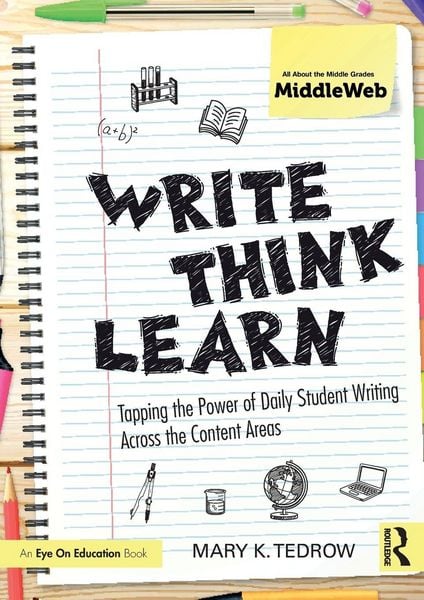
  • Produktbild: Write, Think, Learn
  • Produktbild: Write, Think, Learn

Write, Think, Learn Tapping the Power of Daily Student Writing Across the Content Areas

Fr. 58.90

inkl. gesetzl. MwSt., Versandkostenfrei


Beschreibung

Produktdetails

Einband

Taschenbuch

Erscheinungsdatum

22.08.2017

Abbildungen

schwarz-weiss Illustrationen, Raster, schwarz-weiss, Zeichnungen, schwarz-weiss, Tabellen, schwarz-weiss

Verlag

Taylor and Francis

Seitenzahl

184

Maße (L/B/H)

24.6/17.4/1.1 cm

Gewicht

348 g

Sprache

Englisch

ISBN

978-1-138-05277-2

Beschreibung

Produktdetails

Einband

Taschenbuch

Erscheinungsdatum

22.08.2017

Abbildungen

schwarz-weiss Illustrationen, Raster, schwarz-weiss, Zeichnungen, schwarz-weiss, Tabellen, schwarz-weiss

Verlag

Taylor and Francis

Seitenzahl

184

Maße (L/B/H)

24.6/17.4/1.1 cm

Gewicht

348 g

Sprache

Englisch

ISBN

978-1-138-05277-2

Herstelleradresse

Libri GmbH
Europaallee 1
36244 Bad Hersfeld
DE

Email: gpsr@libri.de

Kundinnen und Kunden meinen

0 Bewertungen

Informationen zu Bewertungen

Zur Abgabe einer Bewertung ist eine Anmeldung im Konto notwendig. Die Authentizität der Bewertungen wird von uns nicht überprüft. Wir behalten uns vor, Bewertungstexte, die unseren Richtlinien widersprechen, entsprechend zu kürzen oder zu löschen.

Die Bewertungen sind nach Format, Anzahl Sterne und Datum sortiert.

Verfassen Sie die erste Bewertung zu diesem Artikel

Helfen Sie anderen Kund*innen durch Ihre Meinung

Kundinnen und Kunden meinen

0 Bewertungen filtern

Die Leseprobe wird geladen.
  • Produktbild: Write, Think, Learn
  • Produktbild: Write, Think, Learn
  • Meet the Author

    Acknowledgements

    Preface: How to read this book.

    Chapter One: Why add writing?

    Moving Toward a community of authentic learners

    Exemplifying authentic learning • Ensuring student success • Understanding the struggle • Employing a Daybook

    Chapter Two: Where to begin?

    Motivating students to accept the daily writing challenge.

    Introducing, formatting, and managing the notebook • Motivating students • Developing routines

    Chapter Three: What will we write about?

    Understanding characteristics of effective prompting.

    Defining the teacher’s role • Reviewing theory • Examining questions • Anticipating answers • Categorizing prompting

    Chapter Four: Where have we been? Where are we going?

    Prompting Reflection and goal setting with an emphasis on inquiry.

    Understanding reflection • Determining when to use reflection and goal setting • Activating reflection • Tying reflection to specific assignments

    Chapter Five: Wait. What? You want my opinion?

    Helping students locate their own thinking.

    Highlighting existing student skills • Using expressive writing to locate thought • Engaging in thinking activities

    Chapter Six: How does writing support course objectives?

    Teaching the curriculum through writing.

    Shifting away from teacher talk • Managing time • Deepening learning with writing • Understanding concepts with writing

    Chapter Seven: Why are these essays so hard to read?

    Scaffolding student products by collecting and brainstorming before assigning.

    Assigning versus supporting writing • Exploring and collecting ideas • Breaking through writing blocks • Identifying gaps in research and argument

    Chapter Eight: What about grading?

    Assessing daily writing for growth that makes the invisible visible.

    Reviewing grading and motivation • Creating a low-risk environment • Assessing in the moment • Letting students evaluate • Assessing learning through written products

    Afterword

    Works Cited

    Appendix A – Additional sources for prompting

    Appendix B – Assignments that support reflecting and goal setting

    Appendix C – Additional handouts