Gutscheinbedingungen

*Gültig bis 21.06.2026 auf (fast) alles. Ausgeschlossen sind Smartboxen, Zeitschriften, Tickets, Lebensmittel, Gaming-Elektroartikel, Tinte/Toner, Gutscheine, Geschenkkarten, Blumen und Abos | Einlösbar in allen Buchhandlungen von Orell Füssli, Barth Bücher, Buchladen Rapunzel, Schuler Orell Füssli, Stauffacher und ZAP unter Vorweisung des Gutscheins, auf www.orellfüssli.ch durch Eingabe des Gutscheincodes. Beim Service „eBooks verschenken“ und bei eBook-Käufen via eReader nicht einlösbar | Mindesteinkaufswert: Fr. 30.- | Nicht mit anderen Rabatten kumulierbar.

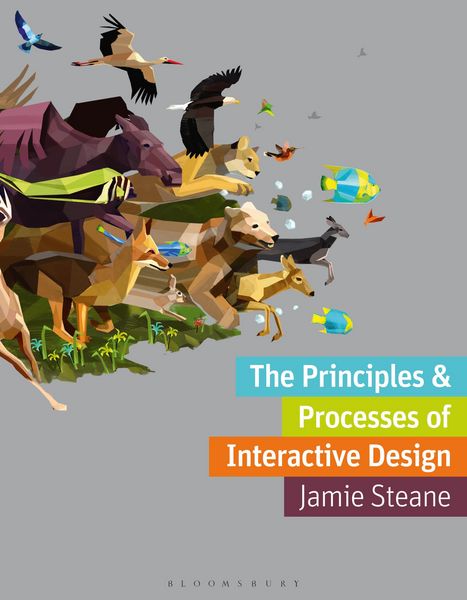
Produktbild: Principles & Processes Of Inte

Principles & Processes Of Inte

Aus der Reihe Required Reading Range

Fr. 74.90

inkl. gesetzl. MwSt., Versandkostenfrei


Beschreibung

Produktdetails

Einband

Taschenbuch

Erscheinungsdatum

15.12.2022

Verlag

Bloomsbury

Seitenzahl

208

Maße (L/B/H)

26.9/21.2/1.7 cm

Gewicht

732 g

Sprache

Englisch

ISBN

978-1-350-09955-5

Beschreibung

Produktdetails

Einband

Taschenbuch

Erscheinungsdatum

15.12.2022

Verlag

Bloomsbury

Seitenzahl

208

Maße (L/B/H)

26.9/21.2/1.7 cm

Gewicht

732 g

Sprache

Englisch

ISBN

978-1-350-09955-5

Kundinnen und Kunden meinen

0 Bewertungen

Informationen zu Bewertungen

Zur Abgabe einer Bewertung ist eine Anmeldung im Konto notwendig. Die Authentizität der Bewertungen wird von uns nicht überprüft. Wir behalten uns vor, Bewertungstexte, die unseren Richtlinien widersprechen, entsprechend zu kürzen oder zu löschen.

Die Bewertungen sind nach Format, Anzahl Sterne und Datum sortiert.

Verfassen Sie die erste Bewertung zu diesem Artikel

Helfen Sie anderen Kund*innen durch Ihre Meinung

Kundinnen und Kunden meinen

0 Bewertungen filtern

  • Produktbild: Principles & Processes Of Inte
  • Introduction: What is interactive design? Chapter 1: Research for Interaction: Understanding the brief Market research User research Visual research Industry perspective - Eilidh Dickson & Helle Rohde Andersen, CIID Workshop I: 'Connected life' Chapter 2: Design Development: Conceptual thinking Organizing information, Site maps and task flows Navigation systems Designing learnable interfaces Creating prototypes and wireframes Storyboarding and animatics Feedback and user-testing Industry perspective - Campbell Orme, Moving Brands Workshop II: 'The cube' Chapter 3: Colour and Image: Colour meaning and psychology Colour in technical detail Working with colour Using colour systems Encoding and decoding images Preparing images Using image libraries Industry perspective - Tim Beard, Bibliotheque Design Workshop III - 'Taste after taste' Chapter 4: Digital Typography: Fundamentals Classification and selection Legibility and readability Using type on television Using type as image Using type for information Type on the web Using type on small and dedicated devices Industry perspective - Mathias Jespersen, e-Types Workshop IV - 'Semi-precious' Chapter 5: Grids and Layout: A short history Principles of composition What are grids? Screen size and layout Laying out web content Fluid, responsive and adaptive design layouts Television screen layout and standards Industry perspective - Matt Verity, TrueView Workshop V: 'Its all news to me' Chapter 6: Interactive Formats: Web publishing An enhanced web experience Online advertising and banners formats Mobile and tablet Games Dual screens TV graphics components Interactive television Formats without boundaries: experiences and events Industry perspective - Charles Batho Workshop VI: 'One message, many formats' Chapter 7: Presenting your Ideas: Preparing for a presentation Digital presentations Physical presentations Creating portfolios Industry perspective - William Lidstone, Razorfish Workshop VII: 'Perfect pitch' Conclusion Glossary Bibliography Useful Resources Index Acknowledgements and Credits