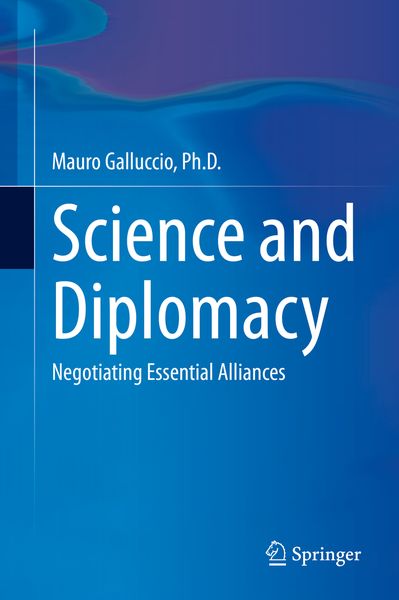
Science and Diplomacy Negotiating Essential Alliances
-
- Hardcover ausgewählt
- Taschenbuch
- eBook
-
Sprache:Englisch
Fr. 161.00
inkl. gesetzl. MwSt.,
Beschreibung
Produktdetails
Einband
Gebundene Ausgabe
Erscheinungsdatum
07.01.2021
Verlag
SpringerSeitenzahl
211
Maße (L/B/H)
24.1/16/1.9 cm
Gewicht
530 g
Auflage
1st ed. 2021
Sprache
Englisch
ISBN
978-3-030-60413-4
This book lays the groundwork for a new field of study and research in the intersection between science and diplomacy. It will review the multi-disciplinary research in this burgeoning area in providing the scientific foundation for the application of psychological principles to understanding and facilitating political decisions in an international context. Focusing on how people think, act, and feel on both individual and collective levels, this book takes into account a realistic perspective from which transformative processes can emerge. It follows the ongoing debate in the EU and the world in providing a better understanding of the tools that can be deployed to improve communication and cooperation between scientists, politicians, and diplomats in this field. The failure of communication in this COVID-19 planetary crisis has not been about whether or not objectives have been achieved, but about the ability of major actors to cooperate to forge links with people. The way policymakers and scientists will manage their interpersonal negotiations will be of great importance in fostering international cooperation and coordinated problem-solving behaviours. Otherwise, science diplomacy will lose sight of its most important purpose: that of helping to solve problems, conflicts, and diplomatic processes for the sake of humanity.
Kundinnen und Kunden meinen
Verfassen Sie die erste Bewertung zu diesem Artikel
Helfen Sie anderen Kund*innen durch Ihre Meinung