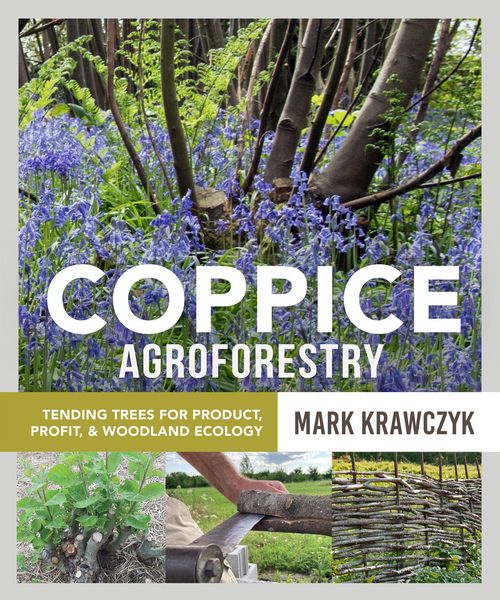
Produktbild: Coppice Agroforestry

Coppice Agroforestry Tending Trees for Product, Profit, and Woodland Ecology

Fr. 73.90

inkl. gesetzl. MwSt., Versandkostenfrei


Beschreibung

Produktdetails

Einband

Taschenbuch

Erscheinungsdatum

05.07.2022

Verlag

Ingram Publishers Services

Seitenzahl

576

Maße (L/B/H)

22.4/19.3/3.7 cm

Gewicht

1150 g

Sprache

Englisch

ISBN

978-0-86571-970-5

Beschreibung

Produktdetails

Einband

Taschenbuch

Erscheinungsdatum

05.07.2022

Verlag

Ingram Publishers Services

Seitenzahl

576

Maße (L/B/H)

22.4/19.3/3.7 cm

Gewicht

1150 g

Sprache

Englisch

ISBN

978-0-86571-970-5

Herstelleradresse

Libri GmbH
Europaallee 1
36244 Bad Hersfeld
DE

Email: gpsr@libri.de

Noch keine Bewertungen vorhanden

Verfassen Sie die erste Bewertung zu diesem Artikel

Helfen Sie anderen Kundinnen und Kunden durch Ihre Meinung.

Kundinnen und Kunden meinen

Bewertungen (0)

Die Leseprobe wird geladen.
  • Produktbild: Coppice Agroforestry
  • Dedication
    Acknowledgments
    Preface
    Foreword

    Introduction: What Is Coppice?
    What Is It?
       Dissecting Our Definition
    Why Coppice?
    Why Is It Nonexistent Here?
    Why Do It Today?
       Home and Community Scale Energy Security
       Local Livelihoods and a Culture of Craft
       Preserving Native Forests
       Leaving a Legacy
       Why Not?
    Purpose of This Book

    PART 1: HISTORY, BIOLOGY, SYSTEMS, AND ECONOMY

    Chapter 1: A Cultural History of Coppice Agroforestry
    Coppice: An Essential Prehistoric Resource
       The Landscapes of Prehistoric Europe and Early Evidence of Coppice
       Resprouts in Pre-contact North America
    Coppice in Europe: From Subsistence Resource to Market Commodity
       Roman Legacies: Industrial-scale Copses and Sweet Chestnut
       Medieval Woodlands: Composition, Patterns, and Protection
       The Manorial System: Private Ownership and Wooded Commons
    Coppice in the Emerging Market Economy
       Charcoal for Industry Boosts Coppice Production
       Shifting Products, Markets, and Management
    The Near Extinction of Coppicing
       The Rise of Modern Forestry
       Coppice in Colonial and Industrial North America?
    Revival? Coppicing for the 22nd Century
       European Revival
    Recapitulation: Crafting Regenerative Resprout Silviculture

    Chapter 2: The Anatomy and Physiology of Woody Plants
    Woody Plant Organs and Tissues
       Primary Organs: Crown, Trunk, and Roots
       Woody Plant Forms: Overall Aboveground Architecture
       Meristems: Tissues Capable of Division
       Wood and Bark: Tissues of the Trunk
    Tree Growth, Development, Life Span, and Decay
       Generalized Growth Pattern: Nested Cones
       Woody Plant Growth Habits: Above- and Belowground
          Plant Growth Patterns
       The Timing and Pattern of Seasonal Growth
       Tree Health and Life Span: An Energetic Balancing Act
    Sprouts and Resprouts
       The Adaptive Utility of the Ability to Resprout
       Anatomy and Physiology of Angiosperm Sprouting
    Conclusion

    Chapter 3: Ecology of Coppice Systems
    The Economy of Forest Ecosystems
    Natural Communities and Forest Cover Types
    Effects of Coppice on Community Ecology and Biodiversity
      Key Differences Between Coppice and High Forest   
      Forest Growth Stages
       Forest Gap Formation
      Effects of Disturbance on Ground Layer Populations
      Growth Stages and Microclimate
      Effects of Access Rides and Woodland Roadways
      Coppice and Bird Species
      Coppice and Small Mammal Populations
      Coppice and Deer
      Coppice and Invertebrates
      Butterflies
      Deadwood
      Nutrient Dynamics in Coppice Woods
      Soil-Water Dynamics
    A Conservation Panacea?

    Chapter 4: Woodland Management Systems
    Systems Framework
      Species
      Economy
      Disturbance Severity
      Disturbance Chronology
      Landscape Pattern
    Resprout Silviculture Systems both Historic and Modern
      Adding Trees to Fields
      Woodland-based Systems
    Other Types of Resprout Silviculture
      Shredding
      Stooling
      Own-root Fruit Trees
      Stump Culture or Coppiced Christmas Trees
    Silvicultural Foundations of High Forest Management
      High Forest Management Systems
    Putting it All Together: Choosing the Right System for Your Landscape and Needs

    Chapter 5: Coppice Economics and Products
    Markets
    The Value-added Continuum
    Business Development
    Working Along the Value-added Continuum from Low to High
      Woodchips: Biofuel, Soil-improving Mulches, Woodchip-Clay
      Fodder
      Fuelwood
      Faggots
      Charcoal
      Carbon Farming
      Garden Products
      Holiday Ornamentation
      Culinary and Medicinal Mushrooms
      Food/Medicine/Wine
      Fencing
      Shelterbelts/Windbreaks/Soundbreaks
      Hedges
      Specialized Traditional Crafts
      Baskets
      Rustic Furniture
      Green Woodworking
      Building and Construction Materials
      Buildings
      Modern Product Potential
    Matching Production Systems to Regional Climate and Production Needs
    Financial Assistance to Support Coppice Management
    Forestry Cooperatives
    Conclusion

    PART II: 21st CENTURY COPPICE: A MODERN INTEGRATION

    Chapter 6: Listening to the Land: The Art of Ecological Design
    A Synthesis of Strategies
    The Silvicultural Standard: Forest Management Plans
      Working with a Professional: The Role of Foresters
    Goals and Management Objectives
    Mapping
      GIS Mapping
      Mapping Forest Stands
    Site Analysis
      Yeomans' Scale of Permanence
      Stand-specific Assessments
    System Design
      Cant Size, Rotation Length, and Layout
      The Circulatory System: Access and Extraction Routes
      Water Sources and Supply
      Fodder and Fence System Design
      Basket Willow Systems
      Managing for Wildlife
    A Coppice Pattern Language: Design Details and Criteria
    Designing Cultivated Ecologies: Multistoried, Multifunctional Guild Design
    Temporal Design: Cant Establishment and Harvest Schedules
    Putting Down the Pencil and Picking Up the Shovel

    Chapter 7: Getting Started: Establishing Coppice on Your Land
    Woodland Conversion
      Existing Stand Dynamics and Their Effects on Cant Development
      Natural Regeneration: Restocking Forest Stands
      Prescribed Burns
    Conclusion
    Field Transformation
      Species
      Layout and Spacing
      Ground Prep
      Planting Techniques
      Planting a Hedgerow
    Maintenance and Protection
      Tree Shelters
      Irrigation
    Projecting Costs
    Keeping Records Is Key

    Chapter 8: Coppice Management and Harvest
    First Harvest Cycle: Coppice Establishment
      When to Cut
      Where to Cut
      When to Initiate Coppicing
    Pollarding
      Preparing a Tree for Pollarding
      How and Where to Cut
      Accessing and Harvesting Pollards
      Timing
      Disturbance Chronology
    Managing Hedgerows
      The Art of Hedgelaying
    Tools and Felling Techniques
      Specialized Pollarding Tools
      Felling
    Snedding or Limbing
    Cross-cutting and Product Selection
    Extraction
    Storing Products
    Cant Management
    Maintenance Inputs
      Stand Improvement
      Pest and Weed Control
      Access
    Restoring Overstood Coppice

    Epilogue
    Appendix 1: Additional Resources
    Appendix 2: Yield and Species-by-Use Tables
    Species-by-Use Table Bibliography
    Endnotes
    Glossary
    Bibliography
    Index
    About the Author
    A Note About the Publisher