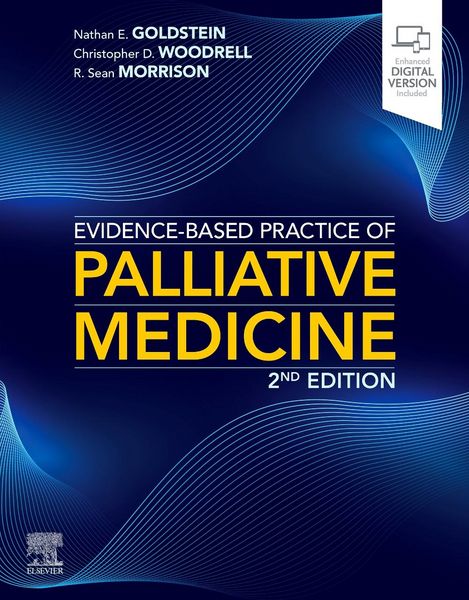
Produktbild: Evidence-Based Practice of Palliative Medicine

Evidence-Based Practice of Palliative Medicine

Fr. 146.00

inkl. gesetzl. MwSt., Versandkostenfrei


Beschreibung

Produktdetails

Einband

Taschenbuch

Erscheinungsdatum

05.02.2024

Abbildungen

50 illustrations (50 in full color), Illustrationen, nicht spezifiziert

Herausgeber

Christopher D. Woodrell + weitere

Verlag

Elsevier

Seitenzahl

736

Maße (L/B/H)

27.5/21.4/2.6 cm

Gewicht

1584 g

Auflage

2. Auflage

Sprache

Englisch

ISBN

978-0-323-84702-5

Beschreibung

Produktdetails

Einband

Taschenbuch

Erscheinungsdatum

05.02.2024

Abbildungen

50 illustrations (50 in full color), Illustrationen, nicht spezifiziert

Herausgeber

Verlag

Elsevier

Seitenzahl

736

Maße (L/B/H)

27.5/21.4/2.6 cm

Gewicht

1584 g

Auflage

2. Auflage

Sprache

Englisch

ISBN

978-0-323-84702-5

Herstelleradresse

Libri GmbH
Europaallee 1
36244 Bad Hersfeld
DE

Email: GPSR Kontakt

Noch keine Bewertungen vorhanden

Verfassen Sie die erste Bewertung zu diesem Artikel

Helfen Sie anderen Kundinnen und Kunden durch Ihre Meinung.

Kundinnen und Kunden meinen

Bewertungen (0)

  • Produktbild: Evidence-Based Practice of Palliative Medicine
  • Part I: Symptom Management
    Section A PAIN

    1. How Should Opioids Be Started and Titrated?
    2. What Principles Should Guide Opioid Dose Conversions?
    3. How Is Patient-Controlled Analgesia Best Used to Control Pain?
    4. Which Opioids Are Safest and Most Effective in Patients With Renal or Hepatic Failure?
    5. How Should Methadone Be Started and Titrated in Opioid-Naïve and Opioid-Exposed Patients?
    6. What Is Neuropathic Pain and How Is It Best Managed?
    7. How Are Adjuvant Medications Such as Corticosteroids and NSAIDs Used for Pain Management?
    8. What Are the Approaches to Pain in Skeletal Bone Disease?
    9. When and How Should Radiotherapy Be Considered for Pain Management?
    10. What Principles Should Guide the Prescribing of Opioids for Noncancer Pain?
    11. How Does the Opioid Epidemic Impact Palliative Medicine Practice?
    12. How Does One Approach the Patient With an Opioid Use Disorder?
    13. When Should Epidural or Intrathecal Medications and Pumps Be Considered for Pain Management?
    14. When Should Nerve Blocks Be Used for Pain Management?

    Section B DYSPNEA
    15. What Interventions Are Effective for Managing Dyspnea in People With Cancer?
    16. What Interventions Are Effective for Managing Dyspnea in COPD?
    17. What Interventions Are Effective for Managing Dyspnea in Heart Failure?

    Section C GASTROINTESTINAL
    18. What Medications Are Effective in Preventing and Relieving Constipation in the Setting of Opioid Use?
    19. How Should Medications Be Initiated and Titrated to Reduce Acute and Delayed Nausea and Vomiting in the Setting of Chemotherapy?
    20. How Should Medications Be Initiated and Titrated to Prevent and Treat Nausea and Vomiting in Clinical Situations Unrelated to Chemotherapy?
    21. What Interventions Are Effective for Relieving Acute Bowel Obstruction in Cancer and Other Conditions?

    Section D ANOREXIA/CACHEXIA/FEEDING DIFFICULTIES
    22. What Therapies Are Effective in Improving Anorexia and Weight Loss in Cancer?
    23. What Therapeutic Strategies Are Effective in Improving Anorexia and Weight Loss in Nonmalignant Disease?
    24. What Is the Role of Parenteral and Enteral Nutrition in Patients With Cancer and With Noncancer Illness?

    Section E PSYCHIATRIC SYMPTOMS
    25. What Treatments Are Effective for Depression in Palliative Care Settings?
    26. How Are Anxiety and Fear Best Treated in Patients With Serious Illness and in Those Facing the End of Life?
    27. What Is the Approach to the Patient Seeking a Hastened Death?

    Section F DELIRIUM
    28. What Is Delirium and How Should It Be Managed?
    29. What Are Effective Pharmacological and Nonpharmacological Treatments for Delirium?

    Section G SYMPTOMS AT THE END OF LIFE
    30. How Do Symptoms Change for Patients in the Last Days/Hours of Life?

    Part II: Communication
    31. How is Prognosis Estimated and Communicated for People Facing Serious Illness?
    32. What Are the Key Elements to Having a Conversation About Communicating Serious News and Setting Goals?
    33. What Are the Elements of Advance Care Planning and What Is the Evidence That Advance Care Planning Changes Patient Outcomes?
    34. What Are the Special Communication Issues Involved in Caring for Pediatric Patients?

    Part III: Disease-Specific Topics
    Section A CANCER
    35. What Is the Role for Palliative Care in Patients With Advanced Solid-Tumor Malignancies?
    36. What Is the Clinical Course of Advanced Solid-Tumor Cancers?
    37. What Is the Role for Palliative Care in Patients With Advanced Hematologic Malignancies?
    38. What Is the Clinical Course of Hematologic Malignancies?
    39. What Is the Role for Palliative Care in Children With Cancer?
    40. What Is the Clinical Course of Pediatric Cancers?

    Section B DEMENTIA
    41. What Is the Clinical Course of Advanced Dementia?
    42. What Are Appropriate Palliative Interventions for Patients With Advanced Dementia?

    Section C ADVANCED LIVER DISEASE
    43. What Are the Causes and Complications of Chronic Liver Disease and What Is the Evidence for Palliative Care Delivery to Those Affected by It?
    44. What Do We Know About the Symptoms and Palliative Care Needs of People Affected by Liver Disease?

    Section D BRAIN FUNCTION
    45. What Is the Role of Palliative Care in Stroke?
    46. What Special Considerations Are Needed for Individuals With Amyotrophic Lateral Sclerosis, Parkinson’s Disease, and Multiple Sclerosis?

    Section E HEART FAILURE
    47. What Is the Clinical Course of Advanced Heart Failure and How Do Implanted Cardiac Devices Alter This Course?

    Section F CHRONIC CRITICAL ILLNESS
    48. What Is Chronic Critical Illness and What Outcomes Can Be Expected

    Section G HEAD AND NECK CANCER
    49. What Special Considerations Are Needed in Patients With Head and Neck Cancer?

    Section H END-STAGE RENAL DISEASE
    50. What Special Considerations Are Needed in Treating Symptoms in Patients With End-Stage Renal Disease, and How Should Patients Who Stop Dialysis Be Managed?
    51. What Are Palliative Alternatives to Renal Replacement Therapy for People With Advanced Kidney Failure?

    Section I PULMONARY
    52. What Special Considerations Are Needed for Patients With Advanced Lung Disease?

    Section J GERIATRICS
    53. What Are the Special Needs of Older Adults With Serious Illness?
    54. What Are Multimorbidity and Frailty and How Do They Affect the Care of Older Adults?

    Section K PEDIATRICS
    55. What Are Special Considerations for Pediatric Palliative Care?
    56. What Are Special Considerations for Dosing Medications in Pediatric Populations?
    57. How Are Children With Developmental Diseases and Delays Best Managed in Palliative Care?
    58. What Are Special Considerations for Perinatal Palliative Care?
    59. What Are Special Considerations for Patients With Cystic Fibrosis?

    PART IV: Special Topics
    Section A PALLIATIVE CARE EMERGENCIES

    60. What Are the Signs, Symptoms, and Treatments of Spinal Cord Compression?
    61. What Framework Can Be Used to Address Uncontrolled Symptoms at the End of Life?

    Section B FINANCIAL ASPECTS OF PALLIATIVE CARE
    62. What Are the Arguments That Show That Palliative Care Is Beneficial to Hospitals?
    63. What Are the Arguments That Show That Outpatient Palliative Care Is Beneficial to Medical Systems?

    Section C CAREGIVERS
    64. How Does Serious Illness Impact Family Caregivers?
    65. What Can Be Done to Improve Outcomes for Caregivers of People With Serious Illness?
    66. What Is Prolonged Grief Disorder and How Can Its Likelihood Be Reduced?

    Section D SETTINGS FOR PALLIATIVE CARE DELIVERY
    67. What Are Models for Delivering Palliative Care in Hospitals?
    68. What Models Exist for Delivering Palliative Care and Hospice in Nursing Homes?
    69. What Are the Models for Delivering Palliative Care in the Ambulatory Practice Setting?
    70. What Are the Models for Delivering Palliative Care in the Home?
    71. What Are the Models for Delivering Palliative Care in Rural Areas?
    72. How Is Palliative Care Best Integrated Into Surgical Services?
    73. What Models Exist to Deliver Palliative Care via Telemedicine?
    74. What are National Strategies and Frameworks for Palliative Care?
    75. What Are Sources of Spiritual and Existential Suffering for Patients With Advanced Illness?
    76. What Are the Racial and Ethnic Health Disparities That Exist in Palliative Care?
    77. What Are the Palliative Care Needs of LGBTQ+ People?
    78. What Is the Evidence for Integrative and Alternative Therapies in Palliative Care?
    79. What Is the Evidence Supporting the Use of Mobile Health Technologies in Palliative Care?
    80. How Can Clinician Well-Being Be Improved and Sustained in Palliative Care?