• Produktbild: Making Health Systems Work in Low and Middle Income Countries
  • Produktbild: Making Health Systems Work in Low and Middle Income Countries

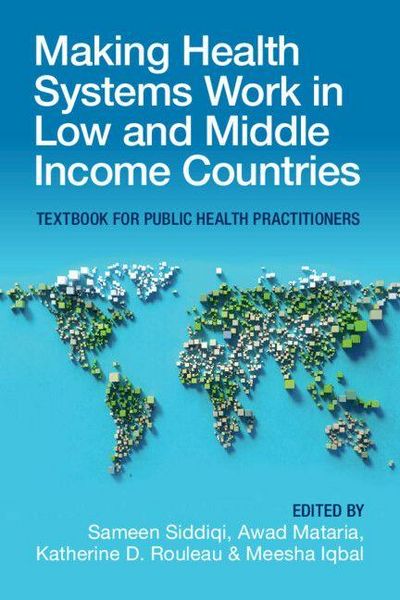
Making Health Systems Work in Low and Middle Income Countries Textbook for Public Health Practitioners

Fr. 89.90

inkl. gesetzl. MwSt., Versandkostenfrei


Beschreibung

Produktdetails

Einband

Taschenbuch

Erscheinungsdatum

29.12.2022

Herausgeber

Sameen Siddiqi + weitere

Verlag

Cambridge Academic

Seitenzahl

644

Maße (L/B/H)

15.6/23.5/3.7 cm

Gewicht

1030 g

Sprache

Englisch

ISBN

978-1-00-921109-3

Beschreibung

Produktdetails

Einband

Taschenbuch

Erscheinungsdatum

29.12.2022

Herausgeber

Verlag

Cambridge Academic

Seitenzahl

644

Maße (L/B/H)

15.6/23.5/3.7 cm

Gewicht

1030 g

Sprache

Englisch

ISBN

978-1-00-921109-3

Herstelleradresse

Libri GmbH
Europaallee 1
36244 Bad Hersfeld
DE

Email: gpsr@libri.de

Kundinnen und Kunden meinen

0 Bewertungen

Informationen zu Bewertungen

Zur Abgabe einer Bewertung ist eine Anmeldung im Konto notwendig. Die Authentizität der Bewertungen wird von uns nicht überprüft. Wir behalten uns vor, Bewertungstexte, die unseren Richtlinien widersprechen, entsprechend zu kürzen oder zu löschen.

Die Bewertungen sind nach Format, Anzahl Sterne und Datum sortiert.

Verfassen Sie die erste Bewertung zu diesem Artikel

Helfen Sie anderen Kund*innen durch Ihre Meinung

Kundinnen und Kunden meinen

0 Bewertungen filtern

Die Leseprobe wird geladen.
  • Produktbild: Making Health Systems Work in Low and Middle Income Countries
  • Produktbild: Making Health Systems Work in Low and Middle Income Countries
  • Section I. Analysing Health Systems: Concepts, Components, Performance: 1. Introduction to health systems: Setting the scene; 2. Health systems based on primary health care; 3. Universal health coverage and health system strengthening; 4. Health system governance: Concepts, principles and practice; 5. Financing health care: Revenue raising, pooling, and purchasing; 6. Health workforce in low and middle income countries: Concepts and dynamics unpacked; 7. The pharmaceutical system and its components: Regulation and management and associated challenges; 8. Health information systems: Data for decision-making in health systems; 9. The organization and management of health services; 10. Health services delivery: Key concepts and characteristics; 11. Role and contribution of the community in health system strengthening; 12. Performing health systems: Attributes and approaches to assessment; 13. Decision-making tools for informed decisions by health policymakers and managers; 14. Health policy and systems research: The role of implementation research; Section II. Transforming Health Systems: Confronting Challenges, Seizing Opportunities: 15. Universal health coverage and beyond: Health system interventions and intersectoral policies; 16. Pro-poor expansion of universal health coverage: Health financing strategies and options; 17. Health insurance for advancing universal health coverage: Disentangling its complexities; 18. From passive to strategic purchasing in low and middle income countries: The what and how of getting the most from limited resources; 19. Good governance and leadership for better health systems; 20. Developing a balanced health workforce: Understanding the health labor market dynamics; 21. Enhancing equitable access to essential medicines and health technologies; 22. Health information and information technology: The path from data to decision; 23. Using health research for evidence-informed decisions in health systems in L&MICs; 24. Integrated people-centred health care: What is it and how it's done!; 25. Strengthening hospital governance and management to become high-performing organizations; 26. Improving the quality and safety of health care in low and middle income countries: What works!; 27. Harnessing the contribution of the private health sector toward public health goals; 28. Public-private partnership in health care services; 29. Embedding people's voice and ensuring participatory governance: Lessons from the Thai experience in community engagement; 30. Achieving health-related sustainable development goals: Role of health systems strengthening; 31. The determinants of health systems: Upstream approach to addressing health and social inequities; 32. Integrating essential public health functions in health systems: Ensuring health security; 33. Engaging in a health care recovery process; 34. Health system response to the covid-19 pandemic: Fault lines exposed and lessons learned; 35. Understanding the global health architecture: Toward greater 'donor' independence; 36. Political economy of health reforms in low and middle income countries; 37. Better health systems for better outcomes: How to make it happen!