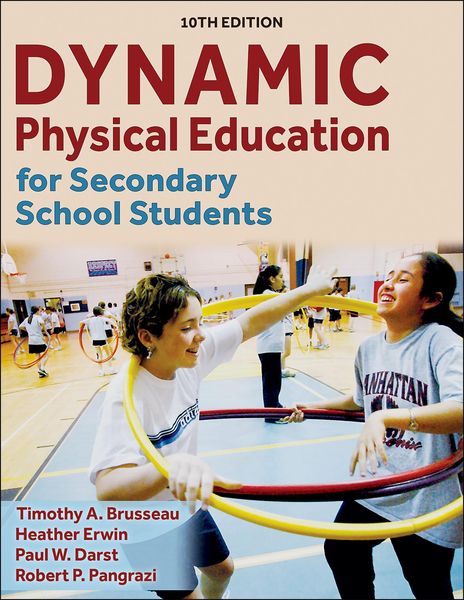
Produktbild: Erwin, H: Dynamic Physical Education for Secondary School St

Erwin, H: Dynamic Physical Education for Secondary School St

Fr. 188.00

inkl. gesetzl. MwSt., Versandkostenfrei


Beschreibung

Produktdetails

Einband

Taschenbuch

Erscheinungsdatum

23.02.2024

Verlag

Human Kinetics Publishers

Seitenzahl

528

Maße (L/B/H)

27.8/21.2/2.4 cm

Gewicht

1466 g

Sprache

Englisch

ISBN

978-1-71821-383-8

Beschreibung

Produktdetails

Einband

Taschenbuch

Erscheinungsdatum

23.02.2024

Verlag

Human Kinetics Publishers

Seitenzahl

528

Maße (L/B/H)

27.8/21.2/2.4 cm

Gewicht

1466 g

Sprache

Englisch

ISBN

978-1-71821-383-8

Kundinnen und Kunden meinen

0 Bewertungen

Informationen zu Bewertungen

Zur Abgabe einer Bewertung ist eine Anmeldung im Konto notwendig. Die Authentizität der Bewertungen wird von uns nicht überprüft. Wir behalten uns vor, Bewertungstexte, die unseren Richtlinien widersprechen, entsprechend zu kürzen oder zu löschen.

Die Bewertungen sind nach Format, Anzahl Sterne und Datum sortiert.

Verfassen Sie die erste Bewertung zu diesem Artikel

Helfen Sie anderen Kund*innen durch Ihre Meinung

Kundinnen und Kunden meinen

0 Bewertungen filtern

Weitere Artikel finden Sie in

  • Produktbild: Erwin, H: Dynamic Physical Education for Secondary School St
  • Part I. Designing an Effective Physical Education Program
    Chapter 1. Physical Education in the Secondary School
    What Is Physical Education?
    Rationale for Physical Education
    Major Outcomes for Physical Education
    Physical Education Content Standards
    Perspectives Influencing Physical Education
    Issues Affecting Physical Education Programs
    Essential Components of a Quality Program
    Characteristics of Successful Physical Education Programs

    Chapter 2. Steps in Developing an Effective Curriculum
    Designing a Quality Curriculum
    An Articulated Curriculum: Grades K Through 12

    Chapter 3. Curriculum Approaches
    Promoting Skill Development and Physical Activity Approach
    Sport Education Approach
    Tactical Games Approach
    Knowledge Concepts Approach
    Fitness Education Approach
    Personal and Social Responsibility Approach

    Part II. Teaching Students in an Effective Physical Education Program
    Chapter 4. Planning for Effective Instruction
    Develop Departmental Policies
    Factors Influencing Preinstructional Decisions
    Making Preinstructional Decisions
    Teach Each Student as a Whole Person
    Plan for Optimal Skill Learning
    Design Comprehensive Unit Plans
    Create Quality Lesson Plans
    Major Instructional Components of the Lesson
    Reflect on the Completed Lesson

    Chapter 5. Improving Instructional Effectiveness
    Defining Effective Instruction
    Demonstrate a Caring Attitude Toward Students
    Develop Effective Listening Skills
    Maintain Student Interest
    Communicate Effectively With Your Class
    Use Nonverbal Communication
    Demonstrate and Model Skills
    Facilitate Learning With Instructional Cues
    Use Effective Instructional Feedback
    Consider the Personal Needs of Students
    Improving Teaching Skills
    Evaluating Effective Teaching
    Systematically Observing to Improve Quality of Instruction

    Chapter 6. Teaching Styles
    Direct Instruction Style
    Task (Station) Style
    Mastery Learning (Outcomes-Based) Style
    Individualized Style
    Cooperative Learning
    Reciprocal Teaching Style
    Inquiry Style
    Teaching Styles and Student Learning
    A Framework for Using Multiple Teaching Styles
    Dynamic Instruction: Elements Common to All Styles

    Chapter 7. Management
    Strive for a Well-Managed Class
    Use Effective Class Organization Strategies
    Teach Responsible Student Behavior
    Implement a Proactive Behavior Management Approach
    Maintain and Promote Acceptable Behavior
    Decrease Unacceptable Behavior
    Deal With Severe Misbehavior
    Use Criticism Cautiously
    Make Punishment a Last Resort
    Know the Legal Consequences of Expulsion

    Chapter 8. Assessment, Evaluation, Grading, and Program Accountability
    Assessment of Student Performance
    Physical Activity Assessment
    Cognitive Assessment
    Affective Assessment
    Types of Assessments
    Student Self-Evaluation
    Other Assessments
    Criteria and Uses for Student Evaluation
    Uses for Student Evaluation
    Grading Considerations

    Chapter 9. Inclusion
    Defining Adapted Physical Education and Sport
    Laws Related to Adapted Physical Education
    Least Restrictive Environment
    Exclusion, Segregation, Integration, and Inclusion
    Development of the IEP
    Systematic Approach to Successful Inclusion
    Parental Support
    Recruiting and Training Paraeducators and Aides

    Part III. Developing and Administering a Total Program
    Chapter 10. Safety and Liability
    Safety
    Supervision
    Equipment and Facilities
    Torts
    Liability
    Personal Protection: Minimizing the Effects of a Lawsuit

    Chapter 11. Supporting and Advocating for Physical Education
    Advocacy and Effective Methods for Physical Education
    Budget Strategies for Physical Education
    Professional Development

    Chapter 12. Comprehensive School Physical Activity Programs
    Strategies for Development, Implementation, and Evaluation of a CSPAP

    Chapter 13. Intramurals, Physical Activity Programs, and Athletics
    Intramurals
    Physical Activity Programs
    Interscholastic Athletics

    Part IV. Implementing Instructional Activities
    Chapter 14. Introductory Activities
    Agility Activities
    Locomotor Challenges
    Individual Activities
    Partner and Small-Group Activities

    Chapter 15. Physical Fitness
    Fitness of America’s Youth
    Health-Related and Skill-Related Physical Fitness
    Creating a Positive Fitness Experience
    Exercises for Fitness Routines
    Avoiding Harmful Practices and Exercises
    Activities and Routines for Developing Fitness
    Health Club Workouts

    Chapter 16. Net and Wall Activities
    Badminton
    Racquetball
    Pickleball
    Tennis
    Volleyball

    Chapter 17. Invasion Activities
    Basketball
    Field Hockey
    Flag Football
    Lacrosse
    Rugby
    Soccer
    Speed-a-Way
    Team Handball

    Chapter 18. Target Activities
    Archery
    Bowling
    Disc Games
    Golf

    Chapter 19. Recreational and Lifetime Activities
    In-Line Skating
    Jogging
    Rhythmic Activity
    Rope Jumping
    Softball
    Strength Training
    Swimming and Aquatics
    Group Initiative Activities
    Orienteering
    Ropes Course Activities
    Traverse Climbing-Wall Activities