• Produktbild: The Routledge Handbook on the Influence of Built Environments on Diverse Childhoods
  • Produktbild: The Routledge Handbook on the Influence of Built Environments on Diverse Childhoods

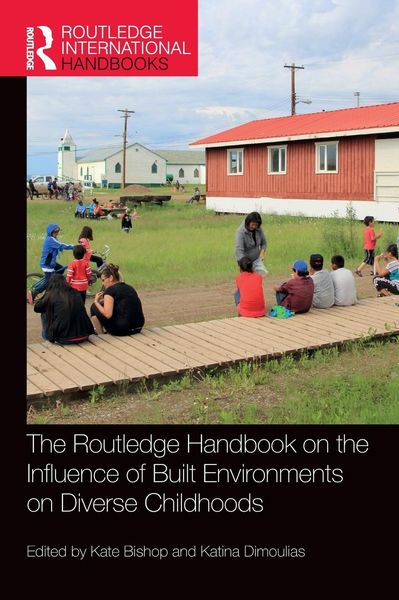
The Routledge Handbook on the Influence of Built Environments on Diverse Childhoods Childhood

Fr. 389.00

inkl. gesetzl. MwSt., Versandkostenfrei


Beschreibung

Produktdetails

Einband

Gebundene Ausgabe

Erscheinungsdatum

01.07.2024

Abbildungen

schwarz-weiss Illustrationen, Raster, schwarz-weiss, Zeichnungen, schwarz-weiss, Tabellen, schwarz-weiss

Herausgeber

Kate Bishop + weitere

Verlag

Taylor & Francis

Seitenzahl

474

Maße (L/B/H)

26/18.3/3 cm

Gewicht

1080 g

Sprache

Englisch

ISBN

978-1-03-225655-9

Beschreibung

Produktdetails

Einband

Gebundene Ausgabe

Erscheinungsdatum

01.07.2024

Abbildungen

schwarz-weiss Illustrationen, Raster, schwarz-weiss, Zeichnungen, schwarz-weiss, Tabellen, schwarz-weiss

Herausgeber

Verlag

Taylor & Francis

Seitenzahl

474

Maße (L/B/H)

26/18.3/3 cm

Gewicht

1080 g

Sprache

Englisch

ISBN

978-1-03-225655-9

EU-Ansprechpartner

Taylor & Francis Verlag GmbH
Kaufingerstraße 24
80331 München
DE
GPSR@taylorandfrancis.com

Herstelleradresse

Taylor & Francis Group
5 Howick Place
SW1P 1WG London
UK
GPSR@taylorandfrancis.com

Kundinnen und Kunden meinen

0 Bewertungen

Informationen zu Bewertungen

Zur Abgabe einer Bewertung ist eine Anmeldung im Konto notwendig. Die Authentizität der Bewertungen wird von uns nicht überprüft. Wir behalten uns vor, Bewertungstexte, die unseren Richtlinien widersprechen, entsprechend zu kürzen oder zu löschen.

Die Bewertungen sind nach Format, Anzahl Sterne und Datum sortiert.

Verfassen Sie die erste Bewertung zu diesem Artikel

Helfen Sie anderen Kund*innen durch Ihre Meinung

Kundinnen und Kunden meinen

0 Bewertungen filtern

Die Leseprobe wird geladen.
  • Produktbild: The Routledge Handbook on the Influence of Built Environments on Diverse Childhoods
  • Produktbild: The Routledge Handbook on the Influence of Built Environments on Diverse Childhoods
  • Introduction  Part I: Framing the Conversation  1. Global Challenges and Trends Affecting All Children and Young People and Their Environmental Experience  2. Conceptualizing Challenging Childhoods: Contemporary Models and Frameworks for Addressing Vulnerability  3. Environmental Considerations for Children and Young People with Diverse Childhood Experiences: Current Conversations in Research  Part II: Meeting Children's and Young People's Rights and Supporting their Agency in the Built Environment  4. Reimagining Urban Liminal Spaces as Children's Places to Secure Children's Right to the City and Fulfil Rights of Children  5. "Flying for the First Time":  Situating Sustainability-in-Place among Children and Young People within Agricultural Communities of California  6. Dispossession, Adolescence and the Missing Public Spaces of Hyderabad, India  Part III. Indigenous Children and Young People  7. Aboriginal Australian Children's Cross-Cultural Behaviors and Experiences: An Ecological Psychology Perspective  8. Nature or Environment? Experiences, Feelings and Opinions of Children from Indigenous Peoples  9. Ecological Place-Meaning of a Rural Island Environment through the Lens of Young Bajau Ubian in Sabah, Malaysia  10. Cultivating my Culture: Educational Gardens as Places for Biocultural Revitalization in Early Childhood Education in an Indigenous Territory of Southern Chile  11. Indigenous Children's Speculative Future Imaginaries of Place, Weathering and Ruination  Part IV: Children and Young People with a Disability  12. Having a Say in Places to Play: Children with Disabilities, Voice and Participation  13. Equitable Outdoor Play Design for Children and Families with Disabilities  14. Learning Environments for Students with Moderate and High Support Needs: Listening to Student Voices  15. Sensemaking: The Environmental Experiences of Children with Disabilities in Primary School  16. Excavating Solutions to Sociospatial-Textual Injustices with Girls of Color with Disabilities in Middle School and High school in the United States  Part V: Vulnerable Children and Young People   17. Supporting Young People with Vulnerabilities through the Provision of Quality Youth Center Environments  18. Uses, Meanings and Positioning of Children and Young People in the Urban Environment: The Case of an Informal Settlement in Bogotá, Colombia  19. Nature-Based Healing Environments Improve Critical Protective Factors Associated with Long-Term Recovery from Trauma, Addiction and Homelessness for Young People  20. Barriers to Wellbeing at School: Listening to the Environmental Experience of Young Girls in Bangladesh Part VI: Young People in the Justice System  21. Abolishing Youth Detention Centers: Rethinking Architectural Models for Australian Children and Young People Under Legal Custodial Orders  22. Keeping Kids Close: Can Juvenile Justice Detention be a Place of Healing?  23. Youth Detention and Correctional Facilities in the US  Part VII: Refugees, Immigrants and Displaced Children and Young People  24. Healthy Environments for Refugee and Asylum-Seeking Children and Young People: A Biopsychosocial Lens  25. Institutional Logics and Children's Participation: A Case Study of Artolution's Public Art Projects in Internally Displaced Person (IDP) and Refugee Settlements  26. Immigration Detention Environments in Australia: Children's Rights and Wellbeing  Conclusion