Gutscheinbedingungen

*Gültig bis 05.07.2026 auf (fast) alles. Ausgeschlossen sind Smartboxen, Zeitschriften, Tickets, Lebensmittel, Gaming-Elektroartikel, Tinte/Toner, Gutscheine, Geschenkkarten, Blumen und Abos | Einlösbar in allen Buchhandlungen von Orell Füssli, Barth Bücher, Buchladen Rapunzel, Papeterie Köhler, Schuler Orell Füssli, Stauffacher und ZAP unter Vorweisung des Gutscheins, auf www.orellfüssli.ch durch Eingabe des Gutscheincodes. Beim Service „eBooks verschenken“ und bei eBook-Käufen via eReader nicht einlösbar | Mindesteinkaufswert: Fr. 30.- | Nicht mit anderen Rabatten kumulierbar.

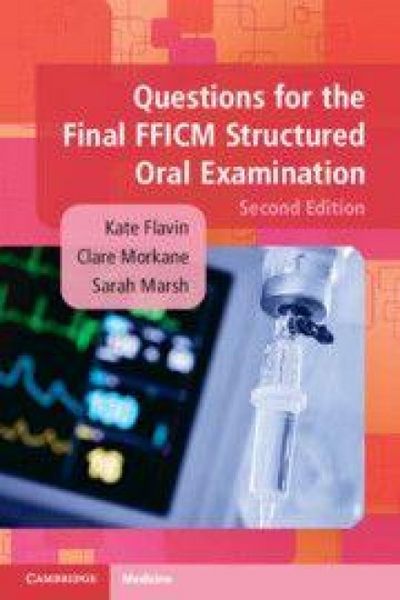
Produktbild: Questions for the Final FFICM Structured Oral Examination

Questions for the Final FFICM Structured Oral Examination

Fr. 78.90

inkl. gesetzl. MwSt., Versandkostenfrei


Beschreibung

Produktdetails

Einband

Taschenbuch

Erscheinungsdatum

31.05.2026

Verlag

Cambridge Academic

Seitenzahl

688

Maße (L/B/H)

22.9/15.2/3.5 cm

Gewicht

907 g

Sprache

Englisch

ISBN

978-1-00-953979-1

Beschreibung

Produktdetails

Einband

Taschenbuch

Erscheinungsdatum

31.05.2026

Verlag

Cambridge Academic

Seitenzahl

688

Maße (L/B/H)

22.9/15.2/3.5 cm

Gewicht

907 g

Sprache

Englisch

ISBN

978-1-00-953979-1

Herstelleradresse

Libri GmbH
Europaallee 1
36244 Bad Hersfeld
DE

Email: gpsr@libri.de

Noch keine Bewertungen vorhanden

Verfassen Sie die erste Bewertung zu diesem Artikel

Helfen Sie anderen Kundinnen und Kunden durch Ihre Meinung.

Kundinnen und Kunden meinen

Bewertungen (0)

  • Produktbild: Questions for the Final FFICM Structured Oral Examination
  • Preface; 1. Abdominal aortic aneurysm; 2. Abdominal compartment syndrome; 3. Acute ischaemic stroke; 4. Acute kidney injury and renal replacement therapy; 5. Acute liver failure and paracetamol overdose; 6. Acute pancreatitis; 7. Acute respiratory distress syndrome; 8. Adrenocortical insufficiency in the ICU; 9. Amniotic fluid embolism; 10. Anaphylaxis; 11. Antibiotic therapy; 12. Antimicrobial resistance; 13. Aortic dissection; 14. Arrhythmias; 15. Asthma; 16. Biomarkers; 17. Bronchopleural fistulae; 18. Burns; 19. Calcium; 20. Cardiac output monitoring and fluid responsiveness; 21. Cardiogenic shock; 22. Chronic liver disease in the ICU; 23. Chronic obstructive pulmonary disease; 24. Colloids; 25. CoViD-19; 26.Critical incidents in the ICU; 27. Delirium; 28. Dermatological presentations to the ICU; 29. Diabetic emergencies; 30. Diagnosis of death by neurological criteria; 31. Diarrhoea; 32. Disorders of consciousness; 33. Donation after circulatory death; 34. Drowning; 35. Encephalitis; 36. Fire in the ICU; 37. Fungal infection and antifungal therapy; 38. Guillian-Barré syndrome; 39. Haematological malignancy on the ICU; 40. Haemoglobinopathies, coagulopathies and thrombophilia on the ICU; 41. Haemolytic uraemic syndrome and thrombotic thrombocytopenic purpura; 42. Haemophagocytic Lymphohistiocytosis; 43. Haemoptysis, pulmonary haemorrhage and diffuse alveolar haemorrhage; 44. High-Risk surgical patient; 45. HIV in critical care; 46. Hypertension; 47. Hyperthermia; 48. Hyponatraemia; 49. Hypothermia; 50. ICU-Acquired weakness; 51. Infective endocarditis; 52. Inflammatory bowel disease and intensive care; 53. Influenza; 54. Interstitial lung disease and intensive care; 55. Intracerebral haemorrhage; 56. Magnesium; 57. Major incidents; 58. Malaria; 59. Mental capacity and deprivation of liberty in the ICU; 60. Myasthenia gravis; 61. Necrotising fasciitis; 62. Neonatal collapse; 63. Non-Invasive ventilation; 64. Non-vitamin K-dependent anticoagulants; 65. Nosocomial infection and ventilator-associated pneumonia; 66. Nutrition in critical illness; 67. Percutaneous tracheostomy; 68. Personal protective equipment; 69. Phaechromocytoma; 70. Pharmacokinetics in the critically ill patient; 71. Phosphate; 72. Physiological support of the organ donor; 73. Pleural effusions; 74. Potassium; 75. Pre-Eclampsia and HELLP syndrome; 76. Pseudo-obstruction and Ileus; 77. Puerperal sepsis; 78. Pulmonary hypertension; 79. Rehabilitation after critical illness; 80. Rhabdomyolysis; 81. Right heart failure; 82. Scoring systems; 83. Sedation; 84. Sepsis; 85. Spinal Cord Injury; 86. Subarachnoid Haemorrhage; 87. Tetanus; 88. Therapeutic plasma exchange in the ICU; 89. Thyroid emergencies; 90. Toxicology and overdose; 91. Transfusion; 92. Trauma; 93. Traumatic brain injury; 94. Tuberculosis; 95. Venous thromboembolism and Heparin-Induced thrombocytopenia; 96. Viral infection and Antiviral therapy; 97. Weaning from the ventilator; 98. Withdrawal of treatment and end of life Care on the ICU; Index.