KI-Beratung Beta

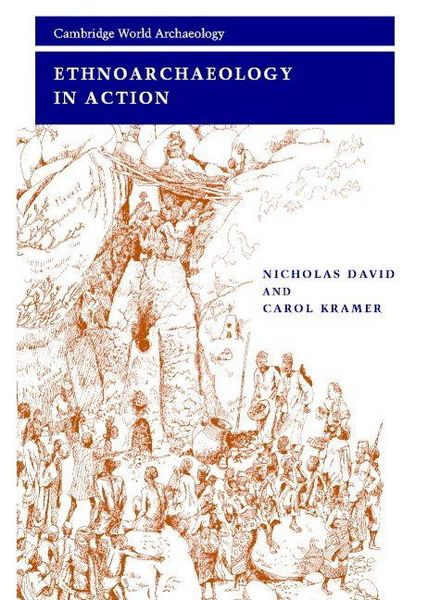
  • Produktbild: Ethnoarchaeology in Action
  • Produktbild: Ethnoarchaeology in Action

Ethnoarchaeology in Action

Fr. 78.90

inkl. gesetzl. MwSt., Versandkostenfrei


Beschreibung

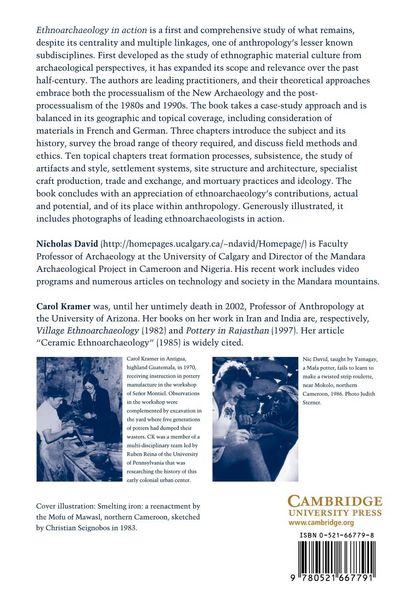
Ethnoarchaeology in Action is the first and only comprehensive study of ethnoarchaeology, the ethnographic study of living cultures from archaeological perspectives, and is designed for senior undergraduates and above in archaeology and anthropology. Its geographical coverage is global and the book includes...

Beschreibung

Ethnoarchaeology in Action is the first and only comprehensive study of ethnoarchaeology, the ethnographic study of living cultures from archaeological perspectives, and is designed for senior undergraduates and above in archaeology and anthropology. Its geographical coverage is global and the book includes relevant theory, practical advice regarding fieldwork, and complete topical coverage of the discipline. Critical discussions of varied case studies make this a very readable book. It is illustrated with numerous figures and photographs of many leading ethnoarchaeologists in action.

Produktdetails

Einband

Taschenbuch

Erscheinungsdatum

26.07.2001

Verlag Cambridge Academic
Seitenzahl

508

Produktdetails

Einband

Taschenbuch

Erscheinungsdatum

26.07.2001

Verlag Cambridge Academic
Seitenzahl

508

Maße (L/B/H)

24.4/17/2.7 cm

Gewicht

840 g

Sprache

Englisch

ISBN

978-0-521-66779-1

Herstelleradresse

Libri GmbH
Europaallee 1
36244 Bad Hersfeld
DE

Email: gpsr@libri.de

Noch keine Bewertungen vorhanden

Verfassen Sie die erste Bewertung zu diesem Artikel

Helfen Sie anderen Kundinnen und Kunden durch Ihre Meinung.

Kundinnen und Kunden meinen

Bewertungen (0)

  • Produktbild: Ethnoarchaeology in Action
  • Produktbild: Ethnoarchaeology in Action
  • List of figures and credits; List of tables; Preface; Acknowledgments; 1. Ethnoarchaeology: its nature, origins, and history; 2. Theorizing ethnoarchaeology and analogy; 3. Fieldwork and ethics; 4. Human residues: entering the archaeological context; 5. Fauna and subsistence; 6. Studying artifacts: functions, operating sequences, taxonomy; 7. Style and the marking of boundaries: contrasting regional studies; 8. Settlement: systems and patterns: 9. Site structures and activities; 10. Architecture; 11. Specialist craft production and apprenticeship; 12. Trade and exchange; 13. Mortuary practices, status, ideology, and systems of thought; 14. Conclusions: ethnoarchaeology in context; Bibliography; Index.