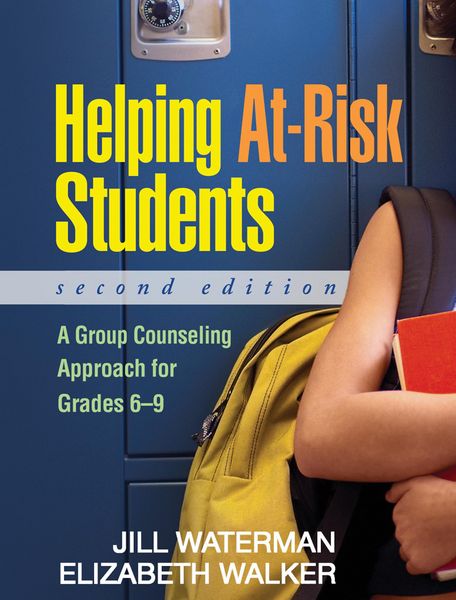
Produktbild: Helping At-Risk Students

Helping At-Risk Students A Group Counseling Approach for Grades 6-9

Fr. 73.90

inkl. gesetzl. MwSt., Versandkostenfrei


Beschreibung

Produktdetails

Einband

Taschenbuch

Erscheinungsdatum

01.11.2008

Verlag

Taylor and Francis

Seitenzahl

272

Maße (L/B/H)

26.4/20.3/1.8 cm

Gewicht

601 g

Auflage

2. Auflage

Sprache

Englisch

ISBN

978-1-60623-002-2

Beschreibung

Produktdetails

Einband

Taschenbuch

Erscheinungsdatum

01.11.2008

Verlag

Taylor and Francis

Seitenzahl

272

Maße (L/B/H)

26.4/20.3/1.8 cm

Gewicht

601 g

Auflage

2. Auflage

Sprache

Englisch

ISBN

978-1-60623-002-2

Kundinnen und Kunden meinen

0 Bewertungen

Informationen zu Bewertungen

Zur Abgabe einer Bewertung ist eine Anmeldung im Konto notwendig. Die Authentizität der Bewertungen wird von uns nicht überprüft. Wir behalten uns vor, Bewertungstexte, die unseren Richtlinien widersprechen, entsprechend zu kürzen oder zu löschen.

Die Bewertungen sind nach Format, Anzahl Sterne und Datum sortiert.

Verfassen Sie die erste Bewertung zu diesem Artikel

Helfen Sie anderen Kund*innen durch Ihre Meinung

Kundinnen und Kunden meinen

0 Bewertungen filtern

Weitere Artikel finden Sie in

Die Leseprobe wird geladen.
  • Produktbild: Helping At-Risk Students
  • 1. Guidelines for Setting Up and Leading Groups

    Goals of the SPARK Program

    Getting Started

    Selecting Group Members

    Structure of the Groups

    Group Leaders

    Presenting the Groups to Prospective Members

    Pregroup Individual Interviews and/or

    Questionnnaires

    Group Counseling Techniques

    Developing Trust and Understanding Confidentiality

    Building Group Cohesion

    Group Process

    Developmental Considerations

    Maintaining Order and Leader Sanity

    Uses and Parameters of Check-In and Check-Out

    Issues in Ending the Groups

    Dilemmas for Group Leaders

    Handling Issues of Child Abuse and Suicidality

    Suicidality

    Balancing the Needs of Individual Group Members

    with the Requirements of the Psychoeducational

    Curriculum

    Dealing with Members Who Do Not Participate

    Dealing with Chronically Disruptive Members

    Parameters of the Group Leader Role

    Adapting the Curriculum for Full Classroom Use

    2. The SPARK Curriculum

    Overview of Module Content

    Recruitment Criteria

    Module One: Trust-Building and Communication Skills

    Module Two: Anger Management and Emotion Regulation Skills

    Module Three: Ethnic Identity and Anti-Prejudice

    Module Four: Educational Aspirations

    Module Five: Peer Pressure, Bullying, and Gangs

    Module Six: MaleâEUR"Female Relationships

    Module Seven: Exposure to Violence and Posttraumatic Stress Reactions

    Module Eight: Family Relationships

    Termination Session: The Party

    3. Effectiveness of SPARK Groups

    Characteristics of Participating Group Members

    Family Structure and Distress

    Outcome of the SPARK Groups

    Time 1 and Time 2 Differences for Those in the

    Treatment Group

    Time 1 and Time 2 Differences for Those in the

    Control Group

    Comparisons between the Treatment and Control

    Groups

    Pilot Evaluations of New and Revised Modules in This Edition

    Summary and Conclusions

    Information Regarding Data Analyses

    Appendix A. Sample Materials for Beginning SPARK Groups

    Appendix B. Curriculum Materials and Handouts

    Appendix C. Sample Materials in Spanish for Beginning SPARK Groups

    Appendix D. Curriculum Materials and Handouts in Spanish