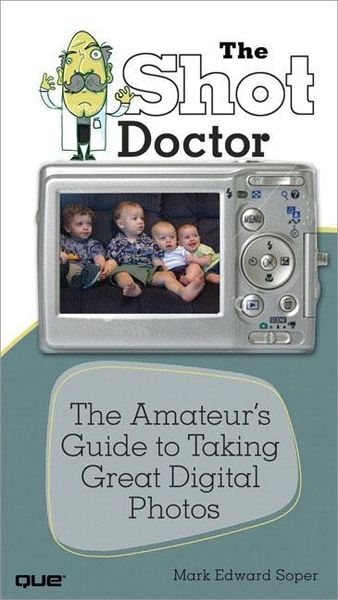
Produktbild: Shot Dr

Shot Dr

Fr. 24.90

inkl. gesetzl. MwSt., zzgl. Versandkosten


  • Kostenlose Lieferung ab Fr. 30 Einkaufswert

    Schweiz & Liechtenstein:

    Versandkostenfrei ab Fr. 30.00
    Versandkosten bis Fr. 30.00: Fr. 3.50

    Andere Lieferländer

    Fr. 18.00 unabhängig vom Warenwert

Beschreibung

Produktdetails

Einband

Taschenbuch

Erscheinungsdatum

01.05.2009

Verlag

Pearson Academic

Seitenzahl

208

Maße (L/B/H)

20.2/11.8/0.9 cm

Gewicht

230 g

Sprache

Englisch

ISBN

978-0-7897-3948-3

Beschreibung

Produktdetails

Einband

Taschenbuch

Erscheinungsdatum

01.05.2009

Verlag

Pearson Academic

Seitenzahl

208

Maße (L/B/H)

20.2/11.8/0.9 cm

Gewicht

230 g

Sprache

Englisch

ISBN

978-0-7897-3948-3

Kundinnen und Kunden meinen

0 Bewertungen

Informationen zu Bewertungen

Zur Abgabe einer Bewertung ist eine Anmeldung im Konto notwendig. Die Authentizität der Bewertungen wird von uns nicht überprüft. Wir behalten uns vor, Bewertungstexte, die unseren Richtlinien widersprechen, entsprechend zu kürzen oder zu löschen.

Die Bewertungen sind nach Format, Anzahl Sterne und Datum sortiert.

Verfassen Sie die erste Bewertung zu diesem Artikel

Helfen Sie anderen Kund*innen durch Ihre Meinung

Kundinnen und Kunden meinen

0 Bewertungen filtern

  • Produktbild: Shot Dr
  • Part I Solutions to Common Photo Problems Chapter 1 Quick Reference to Common Photo Problems Part II Easy Camera Settings and Their Limitations Chapter 2 Quick Tour of Typical Digital Cameras Nikon Coolpix L3 Canon PowerShot A580 Kodak ZD8612 Canon Digital Rebel XTi/EOS 400D Chapter 3 Top Ten Problem Photo Situations-and How to Get Better Photos Snow/Beach/Water Graduation Birthday Candles Sparklers and Celebrations Concerts and Stage Shows Children at Play and in Groups Sidelighting and Backlighting Wedding Day New Baby Sports Part III Recipes for Better Digital Photos Chapter 4 What You Can (and Cannot) Do in Auto Mode Selecting Auto Mode What Auto Mode Does When Auto Mode Shines When Auto Mode Has Problems Evaluating Your Photos Going Beyond Auto Mode Chapter 5 Using Scenes Understanding Scenes Types of Scene Settings How to Use Scenes Sunrise, Sunset Night Snow Interiors Other Scene Modes What Scenes Can't Do Part IV Recipes for Better Digital Photos Chapter 6 Recipes for Better Indoor and Night Pictures Why You Need This Chapter Choosing the Right ISO Choosing the Right White Balance Using Electronic Flash Too-Dark Flash Photos Too-Light Flash Photos Off-Color Flash Photos Available Light at Home Birthday Candles Group Activities Without Flash Group Activities with Flash Playtime Window Light at Home Dealing with "Spotlight" Effect from Direct Sun, Dark Background Dealing with Backlit Subjects Indoor Sporting Events Prefocus on Where Your Subject Will Be Instead of Trying to Track Them Use Panning If You Can't Use a Really Fast Shutter Speed If You Have an Add-on Flash, Put It to Work Choose the Right Autofocus Method to Track a Moving Subject Night Sporting Events Look For Shots that Capture the Mood if You Can't Capture the Action Prefocus on the Playmaker Use Manual Focus if Your Camera Supports It Churches and Museums Concerts and Performances Fireworks Portraits Campfires Pets Mixed Lighting Chapter 7 Recipes for Better Daytime Pictures Why You Need This Chapter Choosing the Right Aperture Portraits Landscapes Choosing the Right ISO When to Use a Higher (Faster) ISO When to Use a Lower (Slower) ISO Choosing the Right White Balance Choosing the Right Shutter Speed Landscapes Directional Lighting Buildings and Architecture Why Details Matter Shooting From the Inside to Capture Special Details Children Get Closer...and Use the Right Framing How to Unclutter the Background Shooting at Dawn and Dusk Sunrise, Sunset Buildings at Dusk Better People Photos Avoid Overhead Lighting Backlight Is Flattering, But Watch the Exposure Distracting Background? Blur It Away Action Air-Land-Water Using Smoke Using Panning Vacations A New Take on Disney World At the Zoo Chapter 8 Recipes for Better Event Pictures Weddings Before the Wedding Shooting the Ceremony Shooting the Reception Holidays, Showers, and Birthdays New Baby in Town Baptisms and Christenings Reunions and Meetings Restaurants and Dining Chapter 9 Introduction to Creative Control Modes Why You Need This Chapter Benefits of Creative Control Modes Better Colors in Any Light Just-Right Exposures in Tricky Lighting Control What's in Focus Control How Action Is Captured Control How Photos Are Stored Using Program Mode When to Use Program Mode-and Why How Program Mode Works How to Use Program Mode Program Mode Photos Using Shutter Priority Mode When to Use Shutter Priority Mode-and Why How to Use Shutter Priority Mode Shutter Priority Mode Photos Using Aperture Priority Mode When to Use Aperture Priority Mode-and Why How to Use Aperture Priority Mode Aperture Priority Mode Photos Using Manual Mode When to Use Manual Mode-and Why How to Use Manual Mode Manual Mode Photos Viewing Photos Photo Viewing Modes Why Use Different Viewing Modes? Using Standard Viewing Mode Viewing Photos in Other Modes Storing Photos in JPEG Format When to Use JPEG Format-and Why Selecting JPEG Size Settings Selecting Quality Settings Comparing JPEG Image Size and Quality Settings Storing Photos in RAW Format When to Use RAW Format-and Why How to Use RAW Format RAW Format Photos Chapter 10 Improving Exposure Why You Need This Chapter Using Exposure Lock When to Use Exposure Lock-and Why How Exposure Lock Works How to Use Exposure Lock Before and After Exposure Lock Using EV Adjustment When to Use EV Adjustment-and Why How EV Adjustment Works How to Use EV Adjustment Before and After EV Adjustment Using Spot Metering When to Use Spot Metering Why Use Spot Metering? How to Use Spot Metering Before and After Spot Metering Using ISO Adjustments When to Use ISO Adjustments Why Use ISO Adjustments? How to Use ISO Adjustments Before and After ISO Adjustments Don't Use Too High an ISO Setting Improving Exposure in Histogram View Chapter 11 Improving Color Why You Need This Chapter Why Use White Balance Settings? How to Change White Balance Settings Using Daylight White Balance When to Use Daylight White Balance-and Why How to Use Daylight White Balance Before and After Daylight White Balance When to Use Incandescent White Balance-and Why How to Use Incandescent White Balance Before and After Incandescent White Balance Using Fluorescent White Balance When to Use Fluorescent White Balance-and Why How to Use Fluorescent White Balance Before and After Fluorescent White Balance Using Cloudy/Open Shade White Balance When to Use Cloudy/Open Shade White Balance-and Why How to Use Cloudy/Open Shade White Balance Comparing Daylight, Cloudy, and Open Shade White Balance Using Custom White Balance When to Use Custom White Balance-and Why How to Use Custom White Balance Before and After Custom White Balance Using Color Settings When to Use Color Settings-and Why How to Use Color Settings Color Settings Compared Chapter 12 Stopping Action Why You Need This Chapter Shutter Speeds 101 Avoiding Camera Shake Selecting the "Right" Shutter Speed Candids and Portraits Sports and Action Water and Rain Ice and Snow Children Playing Amusement and Theme Parks Selective Blur Panning Capturing Peaks of Action Using Continuous Shooting/Burst Mode Chapter 13 Using Electronic Flash Why You Need This Chapter Using Built-in Flash When to Use Built-in Flash Controlling Built-in Flash Why Use Built-in Flash? How to Use Built-in Flash Using Fill Flash When to Use Fill Flash Why Use Fill Flash? How to Use Fill Flash Before and After Fill Flash Using Add-on Flash How to Use Add-on Flash Using Bounce, Swivel, and Diffuser Options When to Use Bounce, Swivel, and Diffuser Options Why Use Bounce, Swivel, and Diffuser Options? How to Use Bounce, Swivel, and Diffuser Options Before and After Photos (Bounce, Swivel, Diffuser) Using Flash Exposure Compensation (EV) When to Use Flash Exposure Compensation Why Use Flash Exposure Compensation? How to Use Flash Exposure Compensation Before and After Flash Exposure Compensation Chapter 14 Controlling What's in Focus Why You Need This Chapter Understanding Depth of Field Using Tripod or Tripod Substitutes Using a Self Timer Using Focus Lock When to Use Focus Lock How to Use Focus Lock Focus Lock Photos Using Different Autofocus Methods How to Use Face Detection How to Use Multiple Area Focus Selection Using User-Selectable Focusing Zones/Points Different Autofocus Modes Controlling Focus with Aperture Selections When to Use Wide Apertures When to Use Narrow Apertures Selecting Apertures Wide Aperture (Selective Focus) Photos Narrow Aperture (Deep Focus) Photos Using Depth-of-Field Preview When to Use Depth-of-Field Preview How to Use Depth-of-Field Preview Using Manual Focus When to Use Manual Focus How to Use Manual Focus Preventing Camera Shake When to Use a Tripod or Tripod Substitute Using Tripod or Tripod Substitutes Using a Self Timer Chapter 15 Using Zoom and Interchangeable Lenses Why You Need This Chapter Zoom Lenses Zoom Ratios Optical Versus Digital Zoom Zoom Lenses with Variable Apertures Using "Normal" Zoom Lenses Using Medium Zoom Lenses Using Long Zoom Lenses Shooting Portraits with Zoom Lenses Using Fast Lenses Shooting Ultra Close-ups in Macro Mode Using Filters When to Use UV and Skylight Filters-and Why When to Use a Polarizing Filter-and Why When to Use Neutral Density (ND) Filters-and Why Adapting Filters to Your Point-and-Shoot Camera Using Anti-Shake Technologies Part V: Appendixes (on the Book's Website) Appendix A: Glossary Appendix B: FAQs 9780789739482 TOC 4/23/2009