• Produktbild: A Teacher's Guide to Change
  • Produktbild: A Teacher's Guide to Change

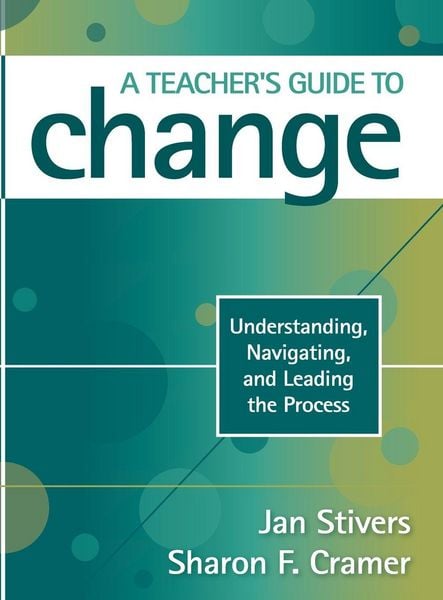
A Teacher's Guide to Change Understanding, Navigating, and Leading the Process

Fr. 112.00

inkl. gesetzl. MwSt., Versandkostenfrei


Beschreibung

Produktdetails

Einband

Gebundene Ausgabe

Erscheinungsdatum

11.09.2009

Herausgeber

Stivers Jan L. + weitere

Verlag

Sage Publications

Seitenzahl

176

Maße (L/B/H)

28.6/22.1/1.4 cm

Gewicht

710 g

Sprache

Englisch

ISBN

978-1-4129-6446-3

Beschreibung

Produktdetails

Einband

Gebundene Ausgabe

Erscheinungsdatum

11.09.2009

Herausgeber

Verlag

Sage Publications

Seitenzahl

176

Maße (L/B/H)

28.6/22.1/1.4 cm

Gewicht

710 g

Sprache

Englisch

ISBN

978-1-4129-6446-3

Herstelleradresse

Libri GmbH
Europaallee 1
36244 Bad Hersfeld
DE

Email: GPSR Kontakt

Noch keine Bewertungen vorhanden

Verfassen Sie die erste Bewertung zu diesem Artikel

Helfen Sie anderen Kundinnen und Kunden durch Ihre Meinung.

Kundinnen und Kunden meinen

Bewertungen (0)

  • Produktbild: A Teacher's Guide to Change
  • Produktbild: A Teacher's Guide to Change
  • Preface
    Acknowledgments
    About the Authors
    Part I. Experiencing Change
    1. Introducing the Challenges of Change for Teachers
    2. What Changes? Experiencing Change at School and at Home
    Changes at School
    New Administration
    New Teaching Positions
    New Locations
    New Colleagues
    Professional Development
    Professional Recognition
    Changes in Life at Home
    Illness
    Loss
    Changes in Relationships and Responsibilities
    Parenting
    Connecting Our Professional and Personal Changes to the Change That Matters Most
    3. Defining the Dynamics of Change for Teachers
    Voluntary or Mandated
    Top-Down or Bottom-Up
    Incremental or Fundamental
    Part II. Understanding the Change Process
    4. First Encounters With Change
    Responding to Innovation
    Innovations in Educational Practices
    Categorizing Responsiveness to Innovation
    Understanding Resistance to Change
    Resistance We Should Resolve
    Failure to Be Convinced
    Habit
    Fear of Loss
    Fear of Failure
    Negative Experiences
    Resistance We Should Respect
    Pragmatic Concerns
    Philosophical Disagreements
    Analyzing One Teacher¿s Resistance to Change
    5. Charting the Stages of Change
    Teachers¿ Concerns Evolve During the Change Process
    Stages of Concern
    Self Concerns
    Task Concerns
    Impact Concerns
    Change Occurs in Phases
    An Overview of the Change Process
    Endings: Recognizing That a Change Is Needed
    The Neutral Zone: Preparing to Change
    New Beginnings: Moving Ahead With Change
    Part III. Implementing Change
    6. Using Personal Experiences to Prepare for Professional Changes
    Drawing on Personal Experiences
    Four Steps for Starting a Professional Change Initiative
    Step One: Identify Aspirations
    Step Two: Inventory Resources
    Step Three: Link Aspirations and Resources
    Step Four: Anticipate Obstacles
    7. Teacher-Directed Change: Working Within the Classroom
    Implementing, Evaluating, and Celebrating Self-Directed Change
    Step One: Aim High But Start Small
    Step Two: Build a Timeline
    Step Three: Monitor Both Progress and Outlook
    Step Four: Celebrate Small Victories
    Step Five: Shift Strategies to Make Adjustments
    Step Six: Sustain Commitment
    Part IV. Leading Change
    8. Teacher-Led Change: Expanding Beyond the Classroom
    Characteristics of Change Leaders
    Spheres of Influence
    Curriculum Development
    Cocurricular and Extracurricular Programming
    Outreach to Families and the Community
    Professional Development for Teachers
    Education Policy
    9. Using Classroom-Based Skills to Lead Change
    Part V. Changing Throughout a Career in Teaching
    Inspiring Others to Accomplish Change: Mind-Set and Skills
    Making Use of Teaching Skills to Lead Change
    Communicate Clearly and Regularly
    Motivate People to Take Risks and Accept Challenges
    Be Proactive in Problem Solving
    Making Use of Teaching Skills to Sustain Change
    Check on Progress
    Provide Continuous Assistance
    Remember What Matters Most
    10. Sustaining Career Vitality Through Change
    The Early Years: Gaining a Sense of Ourselves as Teachers
    The Middle Years: Making the Transition From Mentee to Mentor
    The Later Years: Expanding Our Roles
    Looking to the Future
    Appendix A. Survey Items and Responses
    Appendix B. Interview Questions
    Appendix C. Professional Organizations for Teachers
    References
    Index