Gutscheinbedingungen

*Gültig bis 21.06.2026 auf (fast) alles. Ausgeschlossen sind Smartboxen, Zeitschriften, Tickets, Lebensmittel, Gaming-Elektroartikel, Tinte/Toner, Gutscheine, Geschenkkarten, Blumen und Abos | Einlösbar in allen Buchhandlungen von Orell Füssli, Barth Bücher, Buchladen Rapunzel, Schuler Orell Füssli, Stauffacher und ZAP unter Vorweisung des Gutscheins, auf www.orellfüssli.ch durch Eingabe des Gutscheincodes. Beim Service „eBooks verschenken“ und bei eBook-Käufen via eReader nicht einlösbar | Mindesteinkaufswert: Fr. 30.- | Nicht mit anderen Rabatten kumulierbar.

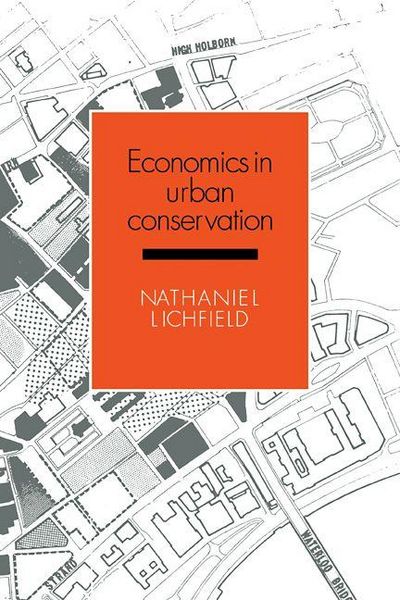
  • Produktbild: Economics in Urban Conservation
  • Produktbild: Economics in Urban Conservation

Economics in Urban Conservation

Fr. 78.90

inkl. gesetzl. MwSt., Versandkostenfrei


Beschreibung

Produktdetails

Einband

Taschenbuch

Erscheinungsdatum

29.11.2008

Verlag

Cambridge Academic

Seitenzahl

380

Maße (L/B/H)

22.9/15.2/2.2 cm

Gewicht

580 g

Sprache

Englisch

ISBN

978-0-521-10530-9

Beschreibung

Produktdetails

Einband

Taschenbuch

Erscheinungsdatum

29.11.2008

Verlag

Cambridge Academic

Seitenzahl

380

Maße (L/B/H)

22.9/15.2/2.2 cm

Gewicht

580 g

Sprache

Englisch

ISBN

978-0-521-10530-9

Kundinnen und Kunden meinen

0 Bewertungen

Informationen zu Bewertungen

Zur Abgabe einer Bewertung ist eine Anmeldung im Konto notwendig. Die Authentizität der Bewertungen wird von uns nicht überprüft. Wir behalten uns vor, Bewertungstexte, die unseren Richtlinien widersprechen, entsprechend zu kürzen oder zu löschen.

Die Bewertungen sind nach Format, Anzahl Sterne und Datum sortiert.

Verfassen Sie die erste Bewertung zu diesem Artikel

Helfen Sie anderen Kund*innen durch Ihre Meinung

Kundinnen und Kunden meinen

0 Bewertungen filtern

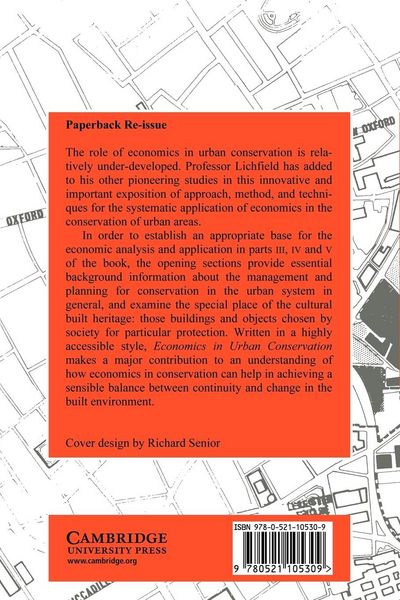
  • Produktbild: Economics in Urban Conservation
  • Produktbild: Economics in Urban Conservation
  • Introduction: The evolution of conservation and its economics; Part I. Planning and management in the conservation of the urban system: 1. Life cycle in the urban system; 2. Planning and management of urban resources; 3. Planning for urban conservation; Part II. Conservation of the cultural built heritage: 4. The nature of the cultural built heritage; 5. Identification and protection of the CBH; 6. Management and planning in the conservation of the urban cultural heritage; Part III. Economics in urban conservation: 7. Economics in the management of the built environment; 8. Economics in the conservation of the CBH; 9. Economics in planning for conservation of the CBH; 10. Valuation of the cultural built heritage; 11. Screening of the inventory or list; 12. Who benefits and who loses from conservation of the CBH?; Part IV. Selected tools of economic analysis for project evaluation: 13. Financial impact: financial analysis; 14. Economic impact: social cost benefit analysis; 15. Community impact: community impact analysis; Part V. Case Studies in the Economics of Conservation of the CBH; 16. The case studies; Notes; Bibliography; Index.