• Produktbild: The Causes of Crime
  • Produktbild: The Causes of Crime

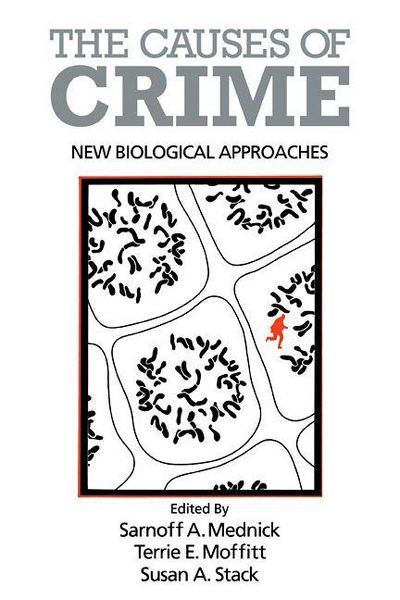
The Causes of Crime New Biological Approaches

Fr. 78.90

inkl. gesetzl. MwSt., Versandkostenfrei


Beschreibung

Produktdetails

Einband

Taschenbuch

Erscheinungsdatum

31.01.2009

Verlag

Cambridge Academic

Seitenzahl

392

Maße (L/B/H)

22.9/15.2/2.3 cm

Gewicht

570 g

Sprache

Englisch

ISBN

978-0-521-11189-8

Beschreibung

Produktdetails

Einband

Taschenbuch

Erscheinungsdatum

31.01.2009

Verlag

Cambridge Academic

Seitenzahl

392

Maße (L/B/H)

22.9/15.2/2.3 cm

Gewicht

570 g

Sprache

Englisch

ISBN

978-0-521-11189-8

Herstelleradresse

Libri GmbH
Europaallee 1
36244 Bad Hersfeld
DE

Email: gpsr@libri.de

Kundinnen und Kunden meinen

0 Bewertungen

Informationen zu Bewertungen

Zur Abgabe einer Bewertung ist eine Anmeldung im Konto notwendig. Die Authentizität der Bewertungen wird von uns nicht überprüft. Wir behalten uns vor, Bewertungstexte, die unseren Richtlinien widersprechen, entsprechend zu kürzen oder zu löschen.

Die Bewertungen sind nach Format, Anzahl Sterne und Datum sortiert.

Verfassen Sie die erste Bewertung zu diesem Artikel

Helfen Sie anderen Kund*innen durch Ihre Meinung

Kundinnen und Kunden meinen

0 Bewertungen filtern

  • Produktbild: The Causes of Crime
  • Produktbild: The Causes of Crime
  • Introduction: Biological factors in crime causation: the reactions of social scientists Sarnoff A. Mednick; Part I. Methodological questions and implications: 1. Some cautions for the biological approach to crime causation Gordon Trasler; 2. Watch out for that last variable Malcolm W. Klein; 3. Implications of biological findings for criminological research David P. Farrington; 4. Definitions of antisocial behaviour in biosocial research Preben Wolf; Part II. Evidence for the role of genetics: 5. Genetic factors in the etiology of criminal behaviour Sarnoff A. Mednick, William F. Gabrielli, Jr., and Barry Hutchings; 6. Genetic and environmental factors in antisocial behaviour disorders C. R. Cloninger and I. I. Gottesman; Part II. Psychophysiological and neurophysiological factors: 7. Autonomic nervous system factors in criminal behaviour Peter H. Venables; 8. Electroencephalogram among criminals Jan Volavka; 9. Childhood diagnostic and neurophysiological predictors of teenage arrest rates: an eight-year prospective study James H. Satterfield; Part IV. Neurological factors: 10. Cerebral dysfunctions and persistent juvenile delinquency W. Buikhuisen; 11. Violent behaviour and cerebral hemisphere function Israel Nachshon and Deborah Denno; 12. Perceptual asymmetries and information processing in psychopaths Robert D. Hare and John F. Connolly; Part V. Biological Factors: 13. The neuroendocrinology and neurochemistry of antisocial behaviour Robert T. Rubin; 14. Testosterone and adrenaline: aggressive antisocial behaviour in normal adolescent males Dan Olweus; 15. Personality correlates of plasma testosterone levels in young delinquents: an example of person-situation interaction? Daisy Schalling; 16. Metabolic dysfunctions among habitually violent offenders: reactive hypoglycemia and cholesterol levels Matti Virkkunen; Part VI. Treatment Issues: 17. The role of psychosurgical studies in the control of antisocial behaviour Mark A. J. O'Callaghan and Douglas Carroll; 18. Pharmacological approaches to the treatment of antisocial behaviour C. R. Cloninger; Indexes.