Gutscheinbedingungen

*Gültig bis 20.09.2026 auf (fast) alles. Ausgeschlossen sind Smartboxen, Zeitschriften, Tickets, Lebensmittel, Gaming-Elektroartikel, Tinte/Toner, Gutscheine, Geschenkkarten, Blumen und Abos | Einlösbar in allen Buchhandlungen von Orell Füssli, Barth Bücher, Buchladen Rapunzel, Schuler Orell Füssli, Stauffacher und ZAP unter Vorweisung des Gutscheins, auf www.orellfüssli.ch durch Eingabe des Gutscheincodes. Beim Service „eBooks verschenken“ und bei eBook-Käufen via eReader nicht einlösbar | Mindesteinkaufswert: Fr. 100.- | Nicht mit anderen Rabatten kumulierbar.

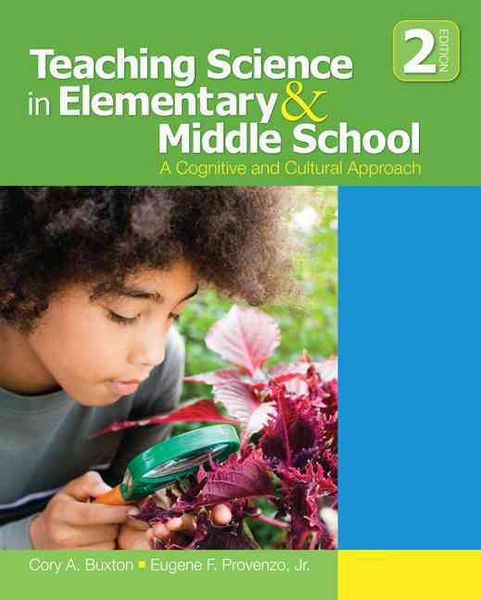
Produktbild: Buxton, C: Teaching Science in Elementary & Middle School

Buxton, C: Teaching Science in Elementary & Middle School A Cognitive and Cultural Approach

Fr. 279.00

inkl. gesetzl. MwSt., Versandkostenfrei


Produktdetails

Einband

Taschenbuch

Erscheinungsdatum

08.07.2010

Verlag

Sage Publications

Seitenzahl

416

Maße (L/B/H)

25.1/20.3/2.3 cm

Gewicht

790 g

Auflage

2. überarbeitete Auflage

Sprache

Englisch

ISBN

978-1-4129-7991-7

Produktdetails

Einband

Taschenbuch

Erscheinungsdatum

08.07.2010

Verlag

Sage Publications

Seitenzahl

416

Maße (L/B/H)

25.1/20.3/2.3 cm

Gewicht

790 g

Auflage

2. überarbeitete Auflage

Sprache

Englisch

ISBN

978-1-4129-7991-7

Noch keine Bewertungen vorhanden

Verfassen Sie die erste Bewertung zu diesem Artikel

Helfen Sie anderen Kundinnen und Kunden durch Ihre Meinung.

Kundinnen und Kunden meinen

Bewertungen (0)

Weitere Artikel finden Sie in

  • Produktbild: Buxton, C: Teaching Science in Elementary & Middle School
  • Preface
    Part I. Creating the Context for Science Education
    1. The Nature of Science
    What Is Science?
    Theory Into Practice 1.1: Nature of Science Cards
    What Science Is Not
    How Science Is Done
    Theory Into Practice 1.2: Hidden Shapes
    Patterns That Connect
    Qualities of Scientific Inquiry
    Combining the Qualities of Scientific Inquiry to Address Scientific Questions
    Theory Into Practice 1.3: The Hypothesis Box
    Paradigms and Paradigm Shifts in the Nature of Science
    Summary
    Student Study Site
    Reflections on Science
    Learning Science On-Line: Researching Scientist Biographies
    Internet Connections: Nature of Science Resources
    References
    2. Science Education in Social Context
    The Historical Role of Science Education in Our Society
    Theory Into Practice 2.1: What Would Life Be Like Without Certain Inventions?
    Science Education Within Broader Educational Reforms
    Theory Into Practice 2.2: Education Reform and You
    The Contemporary Role of Science Education in Our Society and the Current Wave of Science Education Reform
    Theory Into Practice 2.3: D efinitions of Scientific Literacy
    Broader Education Reforms and Science Education
    Learning to Speak the Language of Science
    Theory Into Practice 2.4: Metaphors in Science
    Ethics in Science and the Concept of Human Progress
    Theory Into Practice 2.5: Ethics and the Humane Treatment of Experimental Animals
    Summary
    Student Study Site
    Reflections on Science
    Learning Science On-Line: Creating a Virtual Smithsonian Science Museum
    Internet Connections: Science Museums on the Internet
    References
    3. Toward a Philosophy of Hands-On Inquiry-Based Science Education
    Piagetian Constructivism and Learning Through Rediscovery
    Learning Through Play
    Theory Into Practice 3.1: Helping Students Make Meaning of Experience
    Designing Experiments and Learning Through Project-Based Science
    Theory Into Practice 3.2: Learning by Design
    Sociocultural Theory and Learning Through Legitimate Peripheral Participation
    Theory Into Practice 3.3: Learning Theories Textbook Review
    On-Line Resources and the Changing Science Classroom
    Summary
    Student Study Site
    Reflections on Science
    Learning Science On-Line: Studying Natural Disasters
    Internet Connections: Design-Based Learning
    References
    4. Diverse Learners in the Science Classroom
    History of Diverse Learners in the Science Classroom
    Theory Into Practice 4.1: Draw a Scientist
    Current Science Education Reforms and Their Impact on Diverse Learners
    Theory Into Practice 4.2: Mapping the Increasing Diversity in American Classrooms
    Strategies for Working With Diverse Learners in the Science Classroom
    Theory Into Practice 4.3: Two-Column Girls and Scientists Activity
    Theory Into Practice 4.4: Modifying Lab Activities
    Theory Into Practice 4.5: Sheltered Second- Language Activity
    Theory Into Practice 4.6: Debating the "Fairness" of Gifted Education
    Summary
    Student Study Site
    Reflections on Science
    Learning Science On-Line: Auditory and Visual Learning in Science Education
    Internet Connections: Science for Diverse Learners
    References
    5. Observing as a Scientist and as a Science Teacher
    Scientific Observation
    Theory Into Practice 5.1: Observation Experiment: Watching a Traffic Pattern
    Observation in the Classroom
    From Observation to Assessment of Science Learning
    From Observation to Managing the Classroom to Enhance Science Learning
    Creating a Safe Science Learning Environment
    Field Experiences, Peer Teaching, and Other Opportunities to Practice the Craft of Science Teaching
    Observational Forms
    Theory Into Practice 5.2: Science Lesson Observation Form
    Theory Into Practice 5.3: Observing in a Science Museum or Other Non-School Setting
    Theory Into Practice 5.4: Interviewing a Teacher After Observing a Science Lesson
    Beyond Observation: Other Science Inquiry Processes
    Creating a Science Educator's Portfolio
    Theory Into Practice 5.5: Looking at Electronic Portfolios
    Summary
    Student Study Site
    Reflections on Science
    Learning Science On-Line: Combining Content with Field Experiences
    Internet Connections: Scientific Observation
    Part II. Teaching and Learning the Science Disciplines
    6. Understanding and Teaching Earth and Space Sciences
    Earth Scientists Then and Now: Mary Anning and Charles Keeling
    The Place of Earth and Space Science in Science Education
    Measuring and Estimating in Earth and Space Science
    Experiment 1: Estimating the Number of Books in Your School Library
    Experiment 2: Orienteering
    Experiment 3: Geologic Time on a Football Field
    The Cosmos: The Sun, Planets, Solar System, Stars, and Beyond
    Experiment 4: Solar System Model
    Experiment 5: Expanding Universe Model
    Experiment 6: Hot Enough to Fry an Egg
    Astronomy: Observing the Heavens From Earth in the Past and Present
    Experiment 7: Modeling Phases of the Moon
    Experiment 8: The Changing Seasons
    Experiment 9: Changing Lengths of Shadows
    Restless Earth: Earth's Composition, Layers, Movements, and Impacts in Surface Features
    Experiment 10: Convection Currents
    Experiment 11: Mountain Building With Towels
    Experiment 12: Earthquake-Resistant Structures
    Rocks and Minerals: Formation, Identification, and Human Use of Common Rocks and Minerals
    Experiment 13: Crystals in Your Kitchen
    Experiment 14: Identifying Minerals
    Experiment 15: Determining Soil Type
    Earth Cycles: Many Processes on Earth Operate in Cycles
    Experiment 16: Building an Aquifer Model
    Experiment 17: Edible Rock Cycle
    Experiment 18: Cloud in a Bottle
    Weather and Climate: Weather Patterns, Climate Zones, and Climatic Change Over Time
    Experiment 19: Tracking Rainfall
    Experiment 20: Making an Anemometer
    Experiment 21: Rainforest Terrarium
    Atmosphere: Atmospheric Movement, Layers, Pressure and Cloud Formation, Smog and Pollution
    Experiment 22: Why Are Clouds White?
    Experiment 23: Why Is the Sky Blue?
    Experiment 24: Smog in a Jar
    Water and Oceans: Fresh Water/Salt Water Distribution, Interactions, and Contamination
    Experiment 25: How Salty Is Too Salty?
    Experiment 26: Mapping the Ocean Floor
    Experiment 27: Oil Spill Clean-Up
    Student Study Site
    Reflections on Science
    Internet Connections: Earth and Space Science
    7. Understanding and Teaching Biology
    Biologists Then and Now: Ernst Haeckel and Steven Jay Gould
    The Place of Biology in Science Education
    Measurement in Biology
    Experiment 28: Measuring Peak Flow Rate
    Experiment 29: Estimating Lengths of Very Small Objects
    Experiment 30: Measuring Population Change
    Classification
    Experiment 31: Observation in the Bag
    Experiment 32: Developing a System of Classification
    Experiment 33: Classifying Different Animals
    Plants
    Experiment 34: Seed Germination
    Experiment 35: Making a Plant Cell Model
    Experiment 36: The Effect of Acid Rain on Plant Growth
    Animals
    Experiment 37: Owl Pellet Dissection
    Experiment 38: Making an Animal Cell Model
    Experiment 39: Conducting a Bird Census
    Neither Plant nor Animal: Protista, Monera, Viruses, Bacteria, Fungi
    Experiment 40: Exploring Pond Water
    Experiment 41: The Power of Yeast
    Experiment 42: Making Yogurt
    Ladder of Life: The Building Blocks of Organisms
    Experiment 43: Cell Packing
    Experiment 44: Photosynthesis and Transpiration
    Experiment 45: Minimal Surfaces in Natural and Biological Forms
    Code of Life: All Life Is Based on the Same Genetic Code
    Experiment 46: Making a Model of the DNA Double Helix
    Experiment 47: Black Marker "Fingerprints"
    Experiment 48: Hearing Loss Simulation
    Evolution: Natural Selection and Evidence for Species Evolution
    Experiment 49: Bird Beak Models
    Experiment 50: Experimenting With Stereoscopic Vision
    Experiment 51: Design-an-Organism
    Biomes and Ecosystems: Interactions Between Plants, Animals, and the Non-Living World
    Experiment 52: Tracing Food Webs
    Experiment 53: Greenhouse Effect Model
    Experiment 54: Unintended Consequences
    The Human Body and Human Health
    Experiment 55: You Are What You Eat
    Experiment 56: Modeling the Human Arm
    Experiment 57: Spreading Infectious Disease
    Student Study Site
    Reflections on Science
    Internet Connections: Biology
    References
    8. Understanding and Teaching Chemistry
    Chemists Then and Now: Marie Curie and Frank Sherwood Rowland
    The Place of Chemistry in Science Education
    Measurement in Chemistry
    Experiment 58: Estimating Volume
    Experiment 59: Making a Thermometer
    Experiment 60: Serial Dilution of Colored Liquid
    Atoms, Elements, and Molecules
    Experiment 61: Marshmallow Molecule Models
    Experiment 62: Evaporating Molecules
    Experiment 63: Elements You Eat
    Matter
    Experiment 64: Hot Air Rises
    Experiment 65: Densities of Liquids
    Experiment 66: Making Salt Crystals
    Experiment 67: Floating a Needle on Water
    Experiment 68: Separating Mixtures
    Experiment 69: Comparing Soaps
    Temperature
    Experiment 70: Evaporation of Alcohol and Water
    Experiment 71: Hot and Cold Water Mixtures
    Experiment 72: Making Ice Cream
    Pressure
    Experiment 73: Burning Candles
    Experiment 74: Creating a Simple Vacuum
    Experiment 75: Cartesian Diver
    Fuels
    Experiment 76: Building a Voltaic Pile
    Experiment 77: Making a Solar Water Heater
    Experiment 78: Peanut Power
    Student Study Site
    Reflections on Science
    Internet Connections: Chemistry
    References
    9. Understanding and Teaching Physics
    Physicists Then and Now: Michael Faraday and Stephen W. Hawking
    The Place of Physics in Science Education
    Measurement in Physics
    Experiment 79: Using Standard and Nonstandard Units of Length
    Experiment 80: Determining Relative and Absolute Weights Using a Pan Balance
    Experiment 81: Using a Stopwatch to Measure Time
    Force: Gravity, Velocity, Acceleration, Newton's Laws
    Experiment 82: Flipping a Card off Your Finger While Leaving a Quarter in Place
    Experiment 83: Swinging a Bucket of Water in a Circle Without Getting Wet
    Experiment 84: Demonstrating "Lift" with a Ping-Pong Ball and Straw
    Forms of Energy
    Experiment 85: Bouncing Superballs
    Experiment 86: Modeling Nuclear Half-Life
    Experiment 87: Creating an Electroscope to Detect Static Electricity
    Simple Machines
    Experiment 88: Experimenting With Pulleys
    Experiment 89: Experimenting With Ramps
    Experiment 90: Experimenting With Levers
    Sound
    Experiment 91: Demonstrating the Conduction of Sound
    Experiment 92: Experimenting With Harmonic Sound
    Experiment 93: Experimenting With Resonance
    Light and Color
    Experiment 94: Making a Thaumatrope
    Experiment 95: Color Blending
    Experiment 96: Bending Light
    Electricity and Magnetism
    Experiment 97: Observing Magnetic Fields
    Experiment 98: Making a Simple Circuit
    Experiment 99: Making an Electromagnet
    Student Study Site
    Reflections on Science
    Experiment 100: Design Your Own Experiment
    Internet Connections: Physics
    References
    Part III. Making the Transition From Preservice Teacher to Inservice Teacher
    10. Teacher Professional Development: Growing as a Teacher of Science
    History of Teacher Professional Development
    The Current State of Teacher Professional Development
    Theory Into Practice 10.1: Recertification Requirements Across States
    Action Research: From Research "On" to Research "With"
    Lesson Study
    Theory Into Practice 10.2: The TIMMS Video Project
    Parental Involvement and Parental Engagement
    Theory Into Practice 10.3: Parent Interview
    Professional Organizations: NSTA
    Advanced Study
    Theory Into Practice 10.4: Interviewing an NBCT in Your School District
    Applying for Grants
    Theory Into Practice 10.5: If I Had $500
    Summary
    Student Study Site
    Reflections on Science
    Learning Science On-Line: On-Line Resources for Science Teaching
    References
    Appendix. The National Science Education Standards for Science Content
    Glossary
    Index
    About the Authors