KI-Beratung Beta

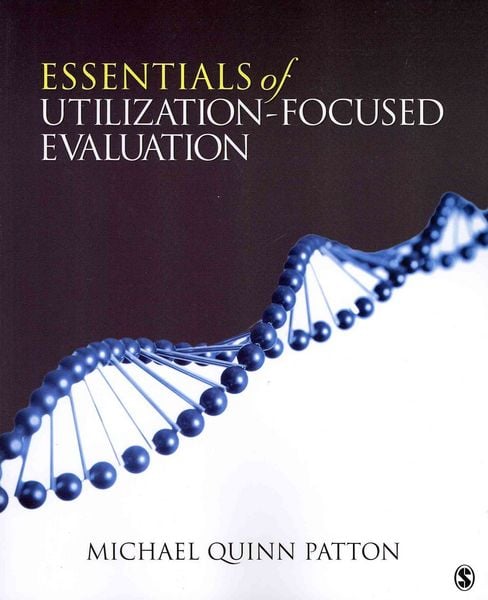
Produktbild: Essentials of Utilization-Focused Evaluation

Essentials of Utilization-Focused Evaluation

Fr. 170.00

inkl. gesetzl. MwSt., Versandkostenfrei


Beschreibung

Based on Michael Quinn Patton's Utilization Focused Evaluation, this briefer and more condensed 'essentials' book provides both an overall framework and concrete advice for how to conduct useful evaluations that actually get used. This book integrates both theory and practice and is not only based on...

Beschreibung

Based on Michael Quinn Patton's Utilization Focused Evaluation, this briefer and more condensed 'essentials' book provides both an overall framework and concrete advice for how to conduct useful evaluations that actually get used. This book integrates both theory and practice and is not only based on research, but also professional experience.

Produktdetails

Einband

Taschenbuch

Erscheinungsdatum

22.08.2011

Verlag SAGE Publications, Inc
Seitenzahl

488

Produktdetails

Einband

Taschenbuch

Erscheinungsdatum

22.08.2011

Verlag SAGE Publications, Inc
Seitenzahl

488

Maße (L/B/H)

23.5/19.1/2.6 cm

Gewicht

902 g

Sprache

Englisch

ISBN

978-1-4129-7741-8

Herstelleradresse

Libri GmbH
Europaallee 1
36244 Bad Hersfeld
DE

Email: gpsr@libri.de

Noch keine Bewertungen vorhanden

Verfassen Sie die erste Bewertung zu diesem Artikel

Helfen Sie anderen Kundinnen und Kunden durch Ihre Meinung.

Kundinnen und Kunden meinen

Bewertungen (0)

  • Produktbild: Essentials of Utilization-Focused Evaluation
  • Preface
    Introduction
    Step 1. Assess and Build Program and Organizational Readiness for Utilization-Focused Evaluation
    Step 2. Assess and Enhance Evaluator Readiness and Competence to Undertake a Utilization-Focused Evaluation
    Step 3. Identify, Organize, and Engage Primary Intended Users: The Personal Factor
    Step 4. Situation Analysis Conducted Jointly With Primary Intended Users
    Step 5. Identify and Prioritize Primary Intended Uses by Determining Priority Purposes
    Step 6. Consider and Build in Process Uses if and as Appropriate
    Step 7. Focus Priority Evaluation Questions
    Step 8. Check That Fundamental Areas for Evaluation Inquiry Are Being Adequately Addressed: Implementation, Outcomes, and Attribution Questions
    Step 9. Determine What Intervention Model or Theory of Change Is Being Evaluated
    Step 10. Negotiate Appropriate Methods to Generate Credible Findings That Support Intended Use by Intended Users
    Step 11. Make Sure Intended Users Understand Potential Methods Controversies and Their Implications
    Step 12. Simulate Use of Findings: Evaluation¿s Equivalent of a Dress Rehearsal
    Step 13. Gather Data With Ongoing Attention to Use
    Step 14. Organize and Present the Data for Interpretation and Use by Primary Intended Users: Analysis, Interpretation, Judgment, and Recommendations
    Step 15. Prepare an Evaluation Report to Facilitate Use and Disseminate Significant Findings to Expand Influence
    Step 16. Follow Up With Primary Intended Users to Facilitate and Enhance Use
    Step 17. Metaevaluation of Use: Be Aaccountable, Learn, and Improve
    Summary and Conclusion