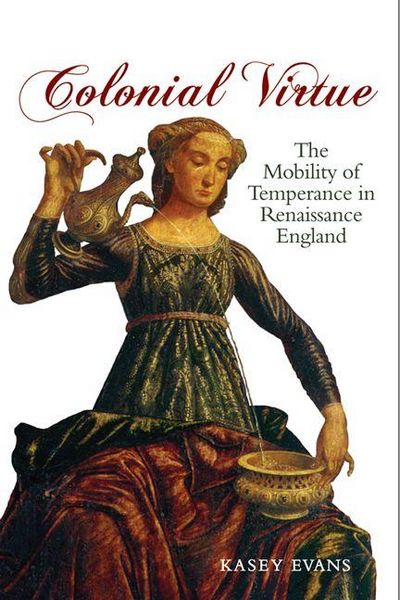
Colonial Virtue The Mobility of Temperance in Renaissance England
Fr. 104.00
inkl. gesetzl. MwSt.,
Beschreibung
Produktdetails
Einband
Gebundene Ausgabe
Erscheinungsdatum
30.01.2012
Abbildungen
15 b&w illustrations
Verlag
University of Toronto PressSeitenzahl
264
Maße (L/B/H)
23.1/16/2.8 cm
Gewicht
567 g
Sprache
Englisch
ISBN
978-1-4426-4359-8
Colonial Virtue is the first study to focus on the role played by the virtue of temperance in shaping ethical debates about early English colonialism. Kasey Evans tracks the migration of ideas surrounding temperance from classical and humanist writings through to sixteenth- and seventeenth-century applications, emphasizing the ways in which they have transcended the vocabularies of geography and time.
Colonial Virtue offers fresh insights into how English Renaissance writers used temperance as a privileged lens through which to view New World morality and politically to justify colonial practices in Virginia and the West Indies. Evans uses literary texts, including The Fairie Queene and The Tempest, and sources such as sermons, dictionaries, and visual artifacts, to navigate alliances between traditional semantics and post-colonial political criticism. Beautifully written and deeply engaging, Colonial Virtue also models an expansive methodology for literary studies through its close readings and rhetorical analyses.
Noch keine Bewertungen vorhanden
Verfassen Sie die erste Bewertung zu diesem Artikel
Helfen Sie anderen Kundinnen und Kunden durch Ihre Meinung.