Zitat
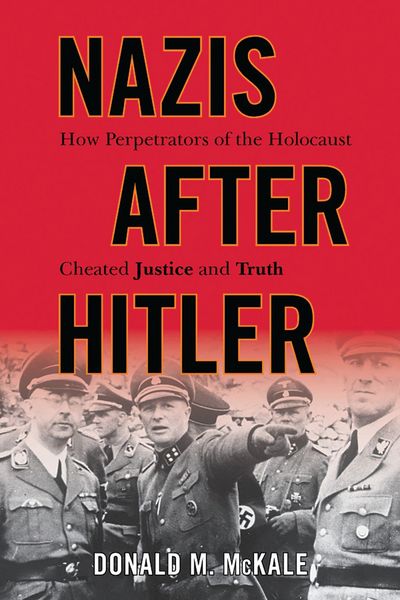
McKale's book stands out, not only for the detailed review of the war crimes of innumerous Nazis, but because he also chronicles their lives in the years following WWII. The book is graphic and the memories of survivors are painful to absorb, as one prisoner describes a concentration camp like 'Dante's inferno ... come to life,' while another recounts mass executions in the gas chamber. McKale uncovers a recurring theme of denial during criminal trials: Dr. Warner Best insisted that the first time he heard about the killing of 5-6 million Jews was in the courtroom and Josef Kramer claimed, 'I did not know the purpose of the gas chamber.' But it's the enduring anti-Semitic attitude that resounds throughout the book; many war criminals went unpunished in the years following WWII. Even Adolf Eichmann, one of the most infamous Nazi criminals, went free for nearly 20 years, escaping Germany through a well-established 'rat line.' McKale ends the book with a haunting question: whether life would be different today if the Allies had pursued Holocaust criminals more aggressively after WWII. History buffs and students of the Holocaust will be fascinated with this book. Publishers Weekly There are probably few scholars as knowledgeable in their special field of study as Donald M. McKale, particularly when that scholar is recognized simultaneously for the excellence of his pedagogy. New York Journal of Books A significant contribution that provides an excellent synthesis of the latest research. Its biographical approach offers a captivating narrative of the postwar lives of infamous Nazi perpetrators who escaped justice. -- Joseph W. Bendersky, author of A Concise History of Nazi Germany and Carl Schmitt: Theorist for the Reich Donald McKale's Nazis after Hitler makes gripping and important reading about a topic that invariably invites serious controversy. His strong argument about the comparatively lenient treatment of Nazi perpetrators, both infamous and obscure, will provoke debate among scholars and should find a wide reading audience. -- Eric A. Johnson, Central Michigan University; author of Nazi Terror and What We Knew In this book, readers have the opportunity to follow the developments in the years after World War II that made it possible for most of those who had played active roles in the systematic murder of Jews to evade trial and punishment altogether or to suffer delayed and slight justice. The author also shows by reference to those trials that were held how the perpetrators originated in their own defense many of the arguments that would become a part of the stock in trade of those who deny or minimize the Holocaust. By first describing the careers of Holocaust perpetrators-whether famous, like Hermann Goering, or known primarily to specialists, like Werner Best-and then recounting their fate in the postwar years, McKale provides the reader with an opportunity to follow their lives and the real or non-existent pursuit of justice. The context of German and Austrian societies largely eager to forget, judiciaries reluctant to take horrendous crimes seriously, and Cold War shifts on both sides toward leniency and even employment of perpetrators is thoughtfully described. The initial interest of the Americans and the reluctance of the British to conduct trials, the early and the routinized trials by the Soviets, the contrast between a few trials in Poland and the pogroms there against Jews trying to return to their homes, and the lengthy efforts by a tiny number of concerned individuals to find and bring to trial those like Eichmann and Mengele, who had escaped to Syria and South America, are all covered here on the basis of comprehensive research. The author makes a point of showing that essentially all who had played an active part in the killing of vast numbers whose only crime had been their birth never expressed the slightest degree of regret or remorse. They had done what they were supposed to do, and they thought it either entirely proper or of no moral significance. McKale also suggests that the general indifference to the issue at the time contributes to the maintenance and revival of virulent anti-Semitism into the present time. Anyone interested in a major horror of the 20th century and how so many who played significant roles in it came to live out their lives in a way they had denied to their victims will find an enlightening but sobering account here. -- Gerhard L. Weinberg, author of A World at Arms: A Global History of World War II I have just finished reading a book that should be read by every Jew in the world... This book is the most detailed and complete book on the subject. Cleveland Jewish News