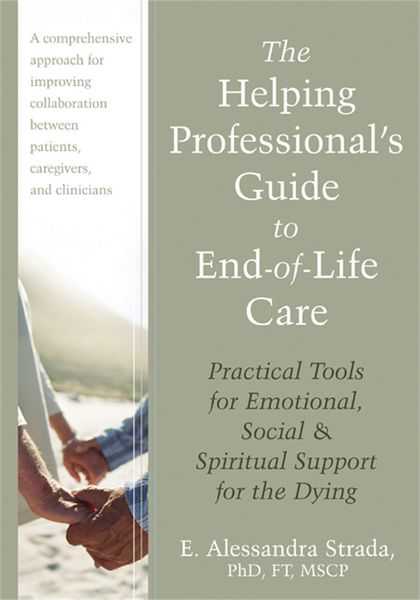
The Helping Professional's Guide to End-Of-Life Care Practical Tools for Emotional, Social, and Spiritual Support for the Dying
-
- Taschenbuch ausgewählt
- eBook
-
Sprache:Englisch
Fr. 68.90
inkl. gesetzl. MwSt.,
Beschreibung
Produktdetails
Einband
Taschenbuch
Erscheinungsdatum
02.01.2013
Verlag
Little, Brown and CompanySeitenzahl
264
Maße (L/B/H)
25.1/17.8/1.8 cm
Gewicht
544 g
Sprache
Englisch
ISBN
978-1-60882-199-0
Nearly half of people at the end of life will receive hospice care, but few psychologists, nurses, physicians, chaplains, and hospice workers have been trained specifically to recognize and address the psychological, social, and emotional issues that may arise in patients who are dying. Patients in the midst of advanced terminal illness may experience a variety of distressing emotions, and may feel anxious, frightened, regretful, or desperate. This guide was created specifically to guide helping professionals of all kinds through the process of working through patients' psychological issues to allow them peace and comfort in their final moments.
The Helping Professional's Guide to End of Life Care clarifies the spiritual and emotional care that patients need and presents an evidence based approach integrating cognitive behavioral therapy (CBT), transpersonal psychotherapy, hypnosis, mindfulness, and guided imagery to help patients manage emotional distress at the end of life. Through case conceptualizations and detailed treatment planning guidance, readers learn to formulate comprehensive assessment and treatment plans for patients and gain skills that will help them manage the emotional intensity of this work.
This secular, professional treatment model can be applied to patients of any religious or spiritual background. The book also addresses integrating the patient's therapeutic team with the medical team, addressing the emotional needs of friends and family of the dying, crisis intervention for suicidal patients, working with clients on psychotropic medications, and how helping professionals can manage their own emotions to become more effective clinicians.
Noch keine Bewertungen vorhanden
Verfassen Sie die erste Bewertung zu diesem Artikel
Helfen Sie anderen Kundinnen und Kunden durch Ihre Meinung.