Beschreibung
Produktdetails
Einband
Taschenbuch
Erscheinungsdatum
02.06.2015
Verlag
John Wiley & SonsSeitenzahl
272
Maße (L/B/H)
24.6/18.9/1.4 cm
Gewicht
510 g
Auflage
1. Auflage
Sprache
Englisch
ISBN
978-1-119-99887-7
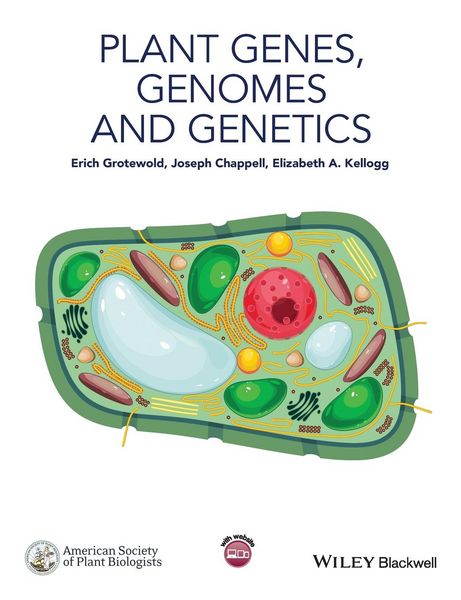
Plant Genes, Genomes and Genetics provides comprehensive treatment of all aspects of plant gene expression. Unique in explaining the subject from a plant perspective, it highlights the importance of gene expression in how plants interface with the modern world, and notes the many aspects of gene expression that were first discovered in plants.
This reference covers topics ranging from plant genome structure and the key control points in how genes are expressed, to the mechanisms by which proteins are generated and how their activities are controlled and altered by posttranslational modifications.
Edited by authorities in the field, with contributions from invited experts, this textbook also includes:
specific examples that highlight when and how plants operate differently from other organisms;
special sections that provide in-depth discussions of particular issues;
end-of-chapter problems to help students recapitulate the main concepts;
full colour, with clear diagrams and illustrations showing important processes in plant gene expression;
a companion website with PowerPoint slides, downloadable figures, and answers to the questions posed in the book.
While primarily aimed at upper level undergraduates and graduate students in Plant Biology, this text is equally suited for advanced Agronomy and Crop Science students inclined to understand molecular aspects of organismal
phenomena. It is invaluable for any professional entering the field of plant biology.
This reference covers topics ranging from plant genome structure and the key control points in how genes are expressed, to the mechanisms by which proteins are generated and how their activities are controlled and altered by posttranslational modifications.
Edited by authorities in the field, with contributions from invited experts, this textbook also includes:
specific examples that highlight when and how plants operate differently from other organisms;
special sections that provide in-depth discussions of particular issues;
end-of-chapter problems to help students recapitulate the main concepts;
full colour, with clear diagrams and illustrations showing important processes in plant gene expression;
a companion website with PowerPoint slides, downloadable figures, and answers to the questions posed in the book.
While primarily aimed at upper level undergraduates and graduate students in Plant Biology, this text is equally suited for advanced Agronomy and Crop Science students inclined to understand molecular aspects of organismal
phenomena. It is invaluable for any professional entering the field of plant biology.
Noch keine Bewertungen vorhanden
Verfassen Sie die erste Bewertung zu diesem Artikel
Helfen Sie anderen Kundinnen und Kunden durch Ihre Meinung.