Gutscheinbedingungen

*Gültig bis 20.09.2026 auf (fast) alles. Ausgeschlossen sind Smartboxen, Zeitschriften, Tickets, Lebensmittel, Gaming-Elektroartikel, Tinte/Toner, Gutscheine, Geschenkkarten, Blumen und Abos | Einlösbar in allen Buchhandlungen von Orell Füssli, Barth Bücher, Buchladen Rapunzel, Schuler Orell Füssli, Stauffacher und ZAP unter Vorweisung des Gutscheins, auf www.orellfüssli.ch durch Eingabe des Gutscheincodes. Beim Service „eBooks verschenken“ und bei eBook-Käufen via eReader nicht einlösbar | Mindesteinkaufswert: Fr. 100.- | Nicht mit anderen Rabatten kumulierbar.

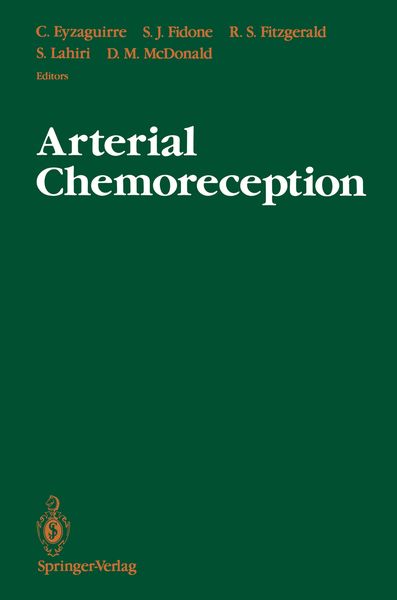
  • Produktbild: Arterial Chemoreception
  • Produktbild: Arterial Chemoreception

Arterial Chemoreception

Fr. 137.00

inkl. gesetzl. MwSt., Versandkostenfrei


Beschreibung

Produktdetails

Einband

Taschenbuch

Erscheinungsdatum

13.10.2011

Abbildungen

XXII, 475 p.

Herausgeber

Carlos Eyzaguirre + weitere

Verlag

Springer Us

Seitenzahl

475

Maße (L/B/H)

23.5/15.5/2.7 cm

Gewicht

750 g

Auflage

Softcover reprint of the original 1st ed. 1990

Sprache

Englisch

ISBN

978-1-4612-7993-8

Beschreibung

Produktdetails

Einband

Taschenbuch

Erscheinungsdatum

13.10.2011

Abbildungen

XXII, 475 p.

Herausgeber

Verlag

Springer Us

Seitenzahl

475

Maße (L/B/H)

23.5/15.5/2.7 cm

Gewicht

750 g

Auflage

Softcover reprint of the original 1st ed. 1990

Sprache

Englisch

ISBN

978-1-4612-7993-8

Herstelleradresse

Springer-Verlag KG
Sachsenplatz 4-6
1201 Wien
AT

Email: ProductSafety@springernature.com

Noch keine Bewertungen vorhanden

Verfassen Sie die erste Bewertung zu diesem Artikel

Helfen Sie anderen Kundinnen und Kunden durch Ihre Meinung.

Kundinnen und Kunden meinen

Bewertungen (0)

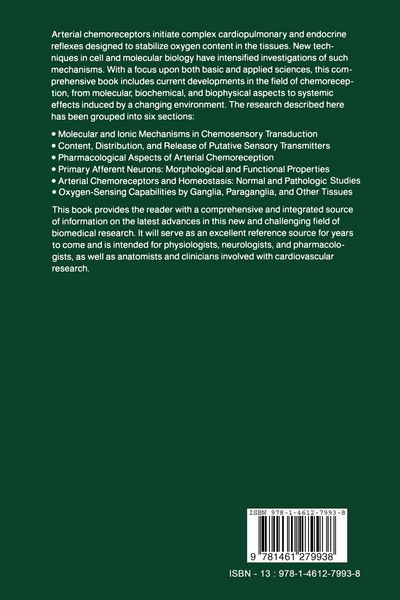
  • Produktbild: Arterial Chemoreception
  • Produktbild: Arterial Chemoreception
  • Section 1 Molecular and Ionic Mechanisms in Chemosensory Transduction.- 1 Adenine Nucleotide Content in the Rabbit Carotid Body In Vitro: Effects of Hypoxia and Metabolic Inhibitors.- 2 Role of Protein Kinase C in the Carotid Body Signal Transduction.- 3 Spectrophotometric and Fluorometric Analysis of the Rat Carotid Body Under Hypoxia.- 4 Intracellular pH of Cultured Carotid Body Cells.- 5 Immunohistochemical and In Situ Hybridization. Evidence for a Calcium-Binding Protein in the Sinus Nerve.- 6 Biophysical Studies of Cells from the Carotid Body of the Rabbit.- 7 Ionic Mechanisms of the Chemoreception Process in Type I Cells of the Carotid Body.- 8 Ionic Currents on Carotid Body Type I Cells and the Effects of Hypoxia and NaCN.- 9 Effects of Chemoexcitatory Agents on K+ Currents of Isolated Type I Cells from Neonatal Rat Carotid Body.- 10 Extracellular K+ as an Interneuronal Coupler in the Carotid Body.- 11 Electrical Activity of Mouse Carotid Body as Monitored by the Fluorescent Probe diS-C3-5: Effects of Different Agents.- Section 2 Content, Distribution, and Release of Putative Neurotransmitters.- 12 Biochemical Studies on the Release of Catecholamines from the Rat Carotid Body In Vitro.- 13 Regulation of the Release of Dopamine and Norepinephrine from Rabbit Carotid Body.- 14 Long-Term Hypoxia and Hypercapnia in the Carotid Body: A Review.- 15 Catecholamines in the Carotid Body.- 16 The Role of Acetylcholine in the Chemoreception of Hypoxia by the Carotid Body.- 17 Co-localization of Neuroactive Agents in the Carotid Body of the Cat.- 18 In Vitro Degradation of Substance P by the Carotid Body Proteases.- 19 Proenkephalin-Derived Peptides in the Carotid Body.- Section 3 Pharmacological Aspects of Arterial Chemoreception.- 20 Vasopressinergic Influence in the Cat Carotid Body.- 21 Effects of Different Stimuli and Transmitters on Glomus Cell Membranes and Intercellular Communications.- 22 Use of Selective Antagonists for Studying the Role of Putative Transmitters in Chemoreception.- 23 Endogenous Adenosine Tonically Excites Respiration Mediated by Carotid Body Chemoreceptors in the Rat.- 24 Calcium Antagonists Stimulate Carotid Body Chemoreceptors.- 25 Lack of Effect of MPTP on a Peripheral Dopaminergic Structure: The Carotid Body.- 26 The Mechanism of Action of Tachykinins in the Carotid Body.- 27 The Carotid Body and Almitrine Bismesylate.- 28 Almitrine Bismesylate and the Carotid Body: An Ultrastructural Study.- Section 4 Primary Afferent Neurons: Morphological and Functional Properties.- 29 Membrane Properties of Cat Carotid Neurons after Peripheral Regeneration.- 30 The Functional Role and Central Connections of the Carotid Body of the Rat.- 31 Tachykininergic Axons in the Guinea Pig Carotid Body: Origin, Ultrastructure, and Coexistence with Other Peptides.- 32 Hypoxia and Hypercapnia Deplete Clear Vesicles but Not Dense-Cored Vesicles in the Carotid Body’s Sensory Nerves.- 33 An Electronic Gating Circuit for Separation of Chemoreceptor Activity from Baroreceptor Activity.- 34 Information Content of Arterial Chemoreceptor Discharge Pattern.- 35 Flow Detection by the Carotid Body.- 36 How Real Is the Relation of Arterial Po2 to Chemoreceptor Activity?.- 37 Effects of Hypoxia, Potassium and Other Stimuli on the Discharge of the Carotid Body.- 38 Postnatal Resetting of the Hypoxic Sensitivity of Aortic Chemoreceptors in the Lamb.- 39 Carotid Chemoreceptor Recording in the Newborn Piglet.- Section 5 Arterial Chemoreceptors and Homeostasis: Normal and Pathologic Studies.- 40 Some Effects of Chronic Stimulation on the Rat CarotidBody.- 41 Structural Changes in the Glomus Caroticum Due to Arteriosclerosis.- 42 Calibre of Arteriovenous Blood Vessels in the Cat Carotid Body: An Assessment Using Latex Microspheres.- 43 Dopaminergic Ventilatory Inhibition in Relation to Chemoreception Sensitization in the Rat.- 44 Mechanisms and Site of Effect of Chronic Erythropoietic Stimuli on Carotid Body.- 45 Carotid Sinus Receptors Participate in Glucose Homeostasis.- 46 Carotid Body Contribution to Hypoxic Ventilatory Responses in Euthermic and Hibernating Ground Squirrels.- 47 Does the Ventilatory Response to Hypoxia Measure Chemoreceptor-Mediated Drive in Humans?.- 48 Pulmonary Vagal Afferents Involved in the Hypoxic Breathing without Arterial Chemoreceptors.- 49 Plasticity of Ventilatory Chemoreflexes.- 50 Progesterone Protects against Hypoxic Ventilatory Depression in Male Rats.- 51 Possible Pitfalls in the Search for Arterial and Central Chemoreception in Respiration.- 52 Serotonin in the Human Infant Carotid Body: Normal and Pathological States.- 53 Chemostimulation during Bilateral Carotid Occlusion in the Rat.- Section 6 Oxygen-Sensing by Ganglia, Paraganglia, and Other Tissues.- 54 Sympathetic Oxygen Chemoreflex and Chemosensitive Responses.- 55 Effects of Hypoxia on Catecholamine Storage and Release in Rabbit Superior Cervical Ganglion.- 56 Involvement of Dopaminergic SIF Cells of Rat Superior Cervical Ganglion in Response to Chemoreceptor Stimuli.- 57 Neurotransmitters in Laryngeal Nerve Paraganglia: A Morphological and Biochemical Study.- 58 Hypertrophy of Abdominal Vagal Paraganglia Following Chronic Hypoxia: Compared with Carotid Body.- 59 Effects of Hypoxia on Isolated Pulmonary Neuroepithelial Body Cells In Vitro.- 60 Membrane Hyperpolarization in Hypoxic Vasorelaxation.- 61 Is the Cellular Thiol-Disulfide System Involved in Oxygen Sensitivity of Arterial Contraction?.- 62 Oxygen-Sensing Mechanisms in the Macrophage and Erythropoietin Production.- 63 Contribution of Renal Chemoreception to the Production of Erythropoietin.