Gutscheinbedingungen

*Gültig bis 18.08.2026 auf (fast) alles. Ausgeschlossen sind Smartboxen, Zeitschriften, Tickets, Lebensmittel, Gaming-Elektroartikel, Tinte/Toner, Gutscheine, Geschenkkarten, Blumen und Abos | Einlösbar in allen Buchhandlungen von Orell Füssli, Barth Bücher, Buchladen Rapunzel, Schuler Orell Füssli, Stauffacher und ZAP unter Vorweisung des Gutscheins, auf www.orellfüssli.ch durch Eingabe des Gutscheincodes. Beim Service „eBooks verschenken“ und bei eBook-Käufen via eReader nicht einlösbar | Mindesteinkaufswert: Fr. 100.- | Nicht mit anderen Rabatten kumulierbar.

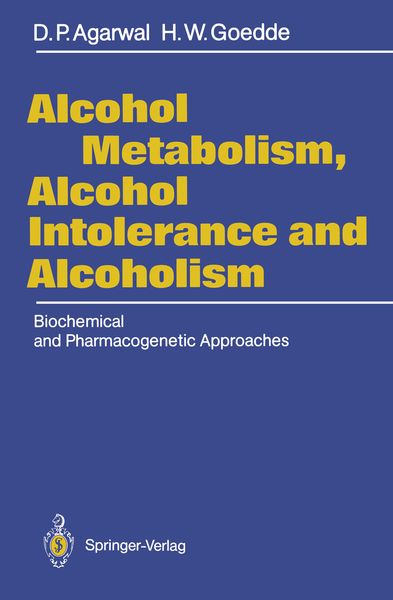
  • Produktbild: Alcohol Metabolism, Alcohol Intolerance, and Alcoholism
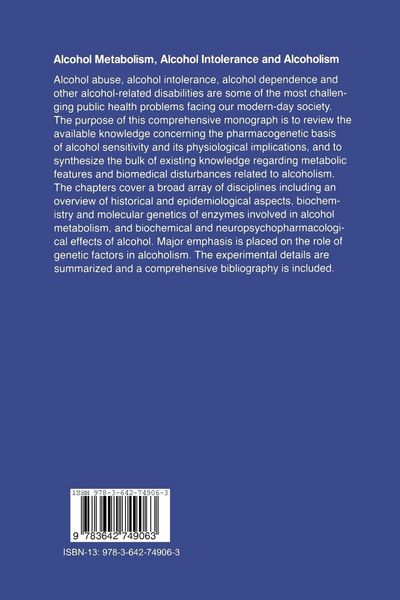
  • Produktbild: Alcohol Metabolism, Alcohol Intolerance, and Alcoholism

Alcohol Metabolism, Alcohol Intolerance, and Alcoholism Biochemical and Pharmacogenetic Approaches

Fr. 149.00

inkl. gesetzl. MwSt., Versandkostenfrei


Beschreibung

Produktdetails

Einband

Taschenbuch

Erscheinungsdatum

06.12.2011

Verlag

Springer Berlin

Seitenzahl

184

Maße (L/B/H)

23.5/15.5/1.2 cm

Gewicht

312 g

Auflage

Softcover reprint of the original 1st ed. 1990

Sprache

Englisch

ISBN

978-3-642-74906-3

Beschreibung

Produktdetails

Einband

Taschenbuch

Erscheinungsdatum

06.12.2011

Verlag

Springer Berlin

Seitenzahl

184

Maße (L/B/H)

23.5/15.5/1.2 cm

Gewicht

312 g

Auflage

Softcover reprint of the original 1st ed. 1990

Sprache

Englisch

ISBN

978-3-642-74906-3

Herstelleradresse

Springer-Verlag KG
Sachsenplatz 4-6
1201 Wien
AT

Email: GPSR Kontakt

Noch keine Bewertungen vorhanden

Verfassen Sie die erste Bewertung zu diesem Artikel

Helfen Sie anderen Kundinnen und Kunden durch Ihre Meinung.

Kundinnen und Kunden meinen

Bewertungen (0)

  • Produktbild: Alcohol Metabolism, Alcohol Intolerance, and Alcoholism
  • Produktbild: Alcohol Metabolism, Alcohol Intolerance, and Alcoholism
  • 1 Introduction.- 2 Alcohol Metabolism: Biochemistry and Genetic Variations.- 2.1Absorption, Body Distribution, and Elimination of Ethanol.- 2.1.1 Absorption.- 2.1.2 Tissue Distribution.- 2.1.3 Excretion and Elimination.- 2.2 Biochemical Pathways of Ethanol Degradation.- 2.2.1 Microsomal Ethanol-Oxidizing System.- 2.2.2 Catalase.- 2.2.3 Alcohol Dehydrogenase (ADH).- 2.2.4 Aldehyde Dehydrogenase (ALDH).- 3 Alcohol-Metabolizing Enzymes and Acute Reactions to Alcohol.- 3.1Ethanol- and Acetaldehyde-Mediated Acute Response to Alcohol.- 3.2 Ethnic Differences in Acute Response to Alcohol 53.- 3.2.1 Familial Resemblances in Flushing Response.- 3.3 Mechanism of Alcohol Sensitivity.- 3.3.1 Relationship to Ethanol- and Acetaldehyde-Oxidizing Capacity.- 3.3.2 Alcohol Absorption Rate.- 3.3.3 Alcohol Metabolism and Clearance Rate.- 3.3.4 Variation in ADH.- 3.3.5 Variation in ALDH.- 3.3.6 Prostaglandin- and Histamine-Mediated Flushing Reactions to Alcohol.- 3.4 Racial-Ethnic Patterns of Alcohol Abuse and Alcoholism.- 3.4.1 Drinking Patterns and Ethnic Background.- 3.4.2 Correlations Between Flushing Response, ALDHI Isozyme Abnormality, Alcohol Use, and Alcoholism.- 3.4.3 Aldehyde Dehydrogenase I Isozyme Abnormality and Alcoholism.- 3.4.4 Gene-Culture Coevolution of Alcohol Usage.- 3.4.5 Implications.- 4Biochemical Aspects of Alcoholism.- 4.1 Alcohol-Related Metabolic Derangements.- 4.1.1 Organ Dysfunction.- 4.2 Metabolic Changes.- 4.2.1 Lipid Metabolism.- 4.2.2 Protein Metabolism.- 4.2.3 Carbohydrate Metabolism.- 4.2.4 Endocrine Effects of Alcohol.- 4.2.5 Carcinogenetic and Mutagenic Effects of Ethanol.- 4.3Changes in Alcohol-Metabolizing Enzymes in Alcohol-Related Disorders.- 4.3.1 Alcohol Dehydrogenase.- 4.3.2 Microsomal Ethanol-Oxidizing System.- 4.3.3 Aldehyde Dehydrogenase.- 4.4Biochemical Markers of Alcohol Abuse and Alcoholism.- 4.4.1 Conventional Markers.- 4.4.2 Test Combinations.- 4.4.3 Coming Markers.- 5Neuropsychopharmacology of Alcoholism.- 5.1 Alcohol Effects in the CNS.- 5.1.1 Electrophysiological Actions of Ethanol.- 5.1.2Neuropsychological Impairments in Alcoholics.- 5.2Addiction, Tolerance, and Dependence.- 5.2.1 Biochemical Basis of Addiction to Ethanol.- 5.2.2 Biogenic Amine-Aldehyde Condensation Products.- 5.2.3 Membrane Actions.- 5.2.4 Alcohol and Neurotransmitters.- 5.2.5 Neuropeptide Effects on Tolerance.- 5.2.6 Role of Prostaglandins in Alcoholism.- 5.3Metabolic Factors.- 5.3.1 Alcohol Metabolism in the Brain.- 5.3.2 Acetaldehyde Metabolism in the Brain.- 5.3.3 Metabolism of Biogenic Aldehydes.- 6Genetic Factors in Alcoholism.- 6.1 Ethnic and Cultural Variables.- 6.2 Familial and Nonfamilial Alcoholism.- 6.3 Genetic Contributions.- 6.3.1 Family Studies.- 6.3.2 Adoption Studies.- 6.3.3 Twin Studies.- 6.3.4 What Is Inherited.- 6.3.5 Mode of Inheritance.- 6.4Genetic and Environmental Interactions in Alcoholism.- 6.5Biological Mediators of Alcoholism.- 6.5.1 Biomedical Markers of Alcoholism.- 6.5.2 Characterization of High-Risk and Low-Risk Individuals.- 6.5.3 Some Baseline Metabolic Differences Presaging Alcoholism.- 6.5.4 Neurophysiological and Neuropsychological Differences.- 6.5.5 Metabolic Variables.- 6.5.6 Genetic and Serological Markers of Alcoholism.- 6.5.7 Altered Alcohol Metabolism.- 6.5.8 Adenylate Cyclase.- 7Experimental Section.- 7.1Subjects and Materials.- 7.1.1 Patients.- 7.1.2 Healthy Subjects.- 7.1.3 Biopsy Material.- 7.1.4 Autopsy Material.- 7.1.5 Blood Samples.- 7.1.6 Hair Root Follicles.- 7.2Methods.- 7.2.1 Alcohol Sensitivity Questionnaire.- 7.2.2 Alcohol Dehydrogenase.- 7.2.3 Aldehyde Dehydrogenase.- 7.2.4 Protein Determination.- 7.2.5 Separation of Erythrocytes Based on Cell Age.- 7.2.6 Densitometry.- 7.2.7 Cloning and Sequencing of ALDH I-cDNA.- 7.2.8 Chromosomal Localization of ALDH I Isozyme.- 7.2.9 Genotyping of ALDH I Alleles.- References 145.- Subject Index 179.