Gutscheinbedingungen

*Gültig bis 20.07.2026 auf alle Bücher. Ausgeschlossen sind Zeitschriften, Prozentbücher und Abos | Einlösbar in allen Buchhandlungen von Orell Füssli, Barth Bücher, Buchladen Rapunzel, Papeterie Köhler, Schuler Orell Füssli, Stauffacher und ZAP unter Vorweisung des Gutscheins, auf www.orellfüssli.ch durch Eingabe des Gutscheincodes. Beim Service „eBooks verschenken“ und bei eBook-Käufen via eReader nicht einlösbar | Mindesteinkaufswert: Fr. 30.- | Nicht mit anderen Rabatten kumulierbar.

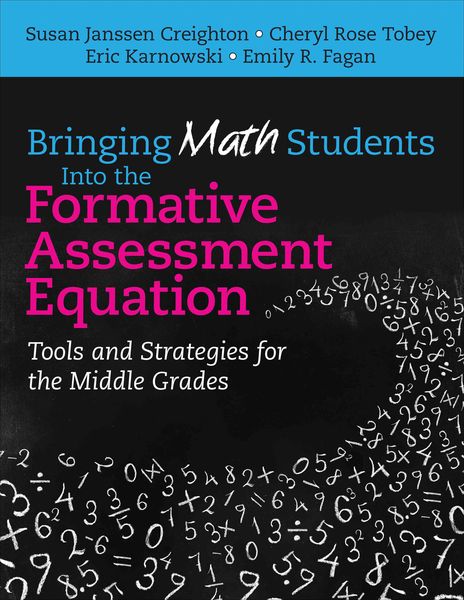
  • Produktbild: Bringing Math Students Into the Formative Assessment Equation
  • Produktbild: Bringing Math Students Into the Formative Assessment Equation

Bringing Math Students Into the Formative Assessment Equation Tools and Strategies for the Middle Grades

Fr. 56.90

inkl. gesetzl. MwSt., Versandkostenfrei


Beschreibung

Produktdetails

Einband

Taschenbuch

Erscheinungsdatum

22.01.2015

Verlag

Sage Publications

Seitenzahl

312

Maße (L/B/H)

28/21.6/1.7 cm

Gewicht

860 g

Sprache

Englisch

ISBN

978-1-4833-5010-3

Beschreibung

Produktdetails

Einband

Taschenbuch

Erscheinungsdatum

22.01.2015

Verlag

Sage Publications

Seitenzahl

312

Maße (L/B/H)

28/21.6/1.7 cm

Gewicht

860 g

Sprache

Englisch

ISBN

978-1-4833-5010-3

Herstelleradresse

Libri GmbH
Europaallee 1
36244 Bad Hersfeld
DE

Email: gpsr@libri.de

Noch keine Bewertungen vorhanden

Verfassen Sie die erste Bewertung zu diesem Artikel

Helfen Sie anderen Kundinnen und Kunden durch Ihre Meinung.

Kundinnen und Kunden meinen

Bewertungen (0)

Weitere Artikel finden Sie in

  • Produktbild: Bringing Math Students Into the Formative Assessment Equation
  • Produktbild: Bringing Math Students Into the Formative Assessment Equation
  • Chapter 1: Using Formative Assessment to Build Student Engagement in Mathematics Learning
    Being a Self-Regulating Learner
    Using Formative Assessment Practices to Develop Self-Regulation Skills
    Using Formative Assessment in Your Classroom
    Teaching Students How to Participate in Formative Assessment
    How to Use this Book to Learn What You Want to Learn
    Conclusion
    Resources
    Chapter 2: Using Mathematics Learning Intentions and Success Criteria
    What Are Learning Intentions and Success Criteria?
    Creating Learning Intentions and Success Criteria for Your Classroom
    Conclusion
    Resources
    Chapter 3: Gathering, Interpreting, and Acting on Evidence
    What Is Evidence?
    Using Evidence in Your Classroom: The Teacher¿s Role
    The Student¿s Role and How You Can Develop and Support It
    Conclusion
    Resources
    Chapter 4: Providing and Using Formative Feedback
    What Is Formative Feedback?
    Using Formative Feedback in Your Classroom
    Conclusion
    Resources
    Chapter 5: Developing Student Ownership and Involvement in Your Students
    Student Ownership and Involvement
    What Do Students Need to Learn?
    Helping Students Develop Ownership and Involvement in Their Mathematics Learning
    Self-Regulation: It¿s Not a Linear Process
    Conclusion
    Resources
    Chapter 6: Using Mathematics Learning Progressions
    What Is a Learning Progression?
    How Can You Use Learning Progressions in Your Instruction?
    Using Learning Progressions to Help Develop Student Ownership and Involvement
    Conclusion
    Resources
    Chapter 7: Establishing a Classroom Environment
    Elements of the Classroom Environment
    The Social and Cultural Environment: Promoting Intellectual Safety and Curiosity
    The Instructional Environment: Framing Instruction to Encourage and Make Visible Students¿ Thinking and to Optimize Learning
    The Physical Environment: Keeping Resources Available
    Conclusion
    Resources
    Chapter 8: Moving Toward Implementation
    Implementation Principles for Formative Assessment
    Sustaining Your Effort Over the Long Term
    Conclusion: Final Words of Encouragement
    Resources
    Appendix A: Resources
    Appendix B: Implementation Indicators for Formative Assessment