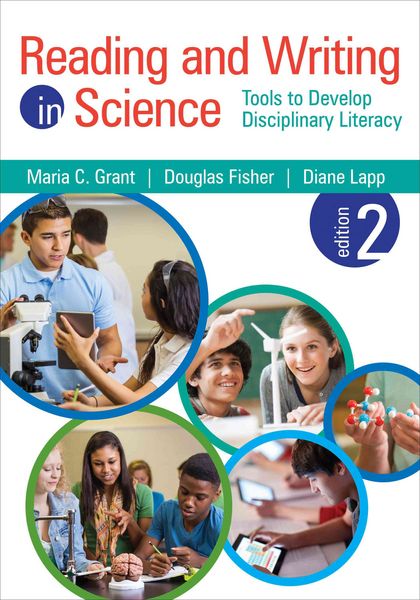
• Produktbild: Reading and Writing in Science
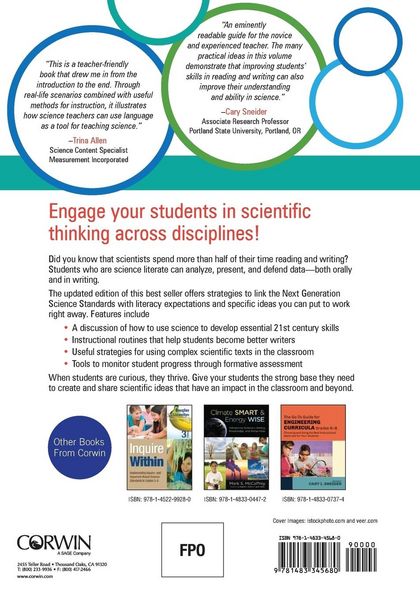
  • Produktbild: Reading and Writing in Science

Reading and Writing in Science Tools to Develop Disciplinary Literacy

Fr. 51.90

inkl. gesetzl. MwSt., Versandkostenfrei


Beschreibung

Produktdetails

Einband

Taschenbuch

Erscheinungsdatum

27.01.2015

Verlag

Sage Publications

Seitenzahl

192

Maße (L/B/H)

25.4/17.8/1.1 cm

Gewicht

400 g

Auflage

2. überarbeitete Auflage

Sprache

Englisch

ISBN

978-1-4833-4568-0

Beschreibung

Produktdetails

Einband

Taschenbuch

Erscheinungsdatum

27.01.2015

Verlag

Sage Publications

Seitenzahl

192

Maße (L/B/H)

25.4/17.8/1.1 cm

Gewicht

400 g

Auflage

2. überarbeitete Auflage

Sprache

Englisch

ISBN

978-1-4833-4568-0

Herstelleradresse

Libri GmbH
Europaallee 1
36244 Bad Hersfeld
DE

Email: gpsr@libri.de

Noch keine Bewertungen vorhanden

Verfassen Sie die erste Bewertung zu diesem Artikel

Helfen Sie anderen Kundinnen und Kunden durch Ihre Meinung.

Kundinnen und Kunden meinen

Bewertungen (0)

Weitere Artikel finden Sie in

  • Produktbild: Reading and Writing in Science
  • Produktbild: Reading and Writing in Science
  • Introduction
    New to This Edition
    About the Authors
    1. Teaching Students to Think Like Scientists
    How Well Are U.S. Students Doing in Science?
    What Foundations Do We Need to Have in Place?
    What Are the Features of Purposeful Science Instruction?
    What Do Real-World Scientists Do?
    2. Knowing and Using Scientific Language to Communicate Like a Scientist
    Language Is the Foundation for Learning
    Using Language in Science
    Connecting the Common Core State Standards and the Next Generation Science Standards
    Next Generation Science Standards Support the Precision of Language Use
    Science Instruction
    Assess to Instruct: Developing Knowledge and Language
    Fostering Independent Word Learning in Science
    Word Play Promotes Increased Vocabulary Knowledge
    3. Reading Like a Scientist
    Connecting the Next Generation Science Standards and the Common Core State Standards
    Features That Make Texts Complex
    Teaching Students to Read Science Texts
    Collaborative Conversations Support Learning and Sharing Scientific Language and Concepts
    The Connection Between Vocabulary and Reading Success
    Why Teach Reading in Science?
    4. Writing Like a Scientist
    Connecting the Common Core State Writing Standards and the Next Generation Science Standards
    Writing Like a Scientist Is Different
    WebQuest: Collecting Data for Writing
    Writing Frames: Scaffolds for Scientific Writing
    Teaching Scientific Phrasing
    Writing Formats in Science
    Writing Well-Supported Arguments
    Why Learn to Write Like a Scientist?
    5. Assessing Student Learning in Science
    The Purpose of Assessment in Science
    Using Assessment Information
    Identifying Literacy-Language Strengths and Needs
    Creating Science Assessments
    Final Thoughts About Assessment
    References
    Index