KI-Beratung Beta

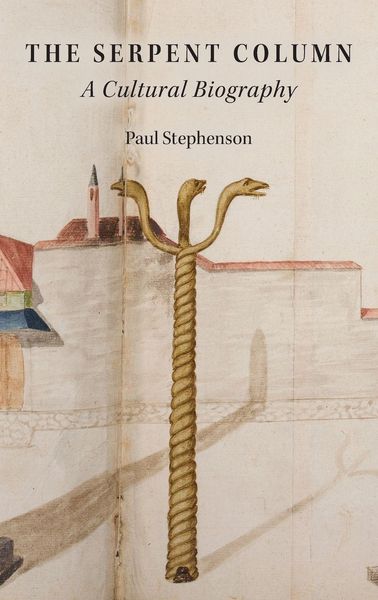
Produktbild: Serpent Column

Serpent Column A Cultural Biography

Aus der Reihe OXFORD UNIV PR

Fr. 152.00

inkl. gesetzl. MwSt., Versandkostenfrei


Beschreibung

The Serpent Column, a bronze sculpture that has stood in Delphi and Constantinople, today Istanbul, is a Greek representation of the Near Eastern primordial combat myth: it is Typhon, a dragon defeated by Zeus, and also Python slain by Apollo. The column was created after the Battle of Plataia (479...

Beschreibung

The Serpent Column, a bronze sculpture that has stood in Delphi and Constantinople, today Istanbul, is a Greek representation of the Near Eastern primordial combat myth: it is Typhon, a dragon defeated by Zeus, and also Python slain by Apollo. The column was created after the Battle of Plataia (479 BC), where the sky was dominated by serpentine constellations and by the spiralling tails of the Milky Way. It was erected as a votive for Apollo and as a monument to the victory of the united Greek poleis over the Persians. It is as a victory monument that the column was transplanted to Constantinople and erected in the hippodrome. The column remained a monument to cosmic victory through centuries, but also took on other meanings. Through the Byzantine centuries these interpretation were fundamentally Christian, drawing upon serpentine imagery in Scripture, patristic and homiletic writings. When Byzantines saw the monument they reflected upon this multivalent serpentine symbolism, but also the fact that it was a bronze column. For these observers, it evoked the Temple's brazen pillars, Moses' brazen serpent, the serpentine tempter of Genesis (Satan), and the beast of Revelation. The column was inserted into Christian sacred history, symbolizing creation and the end times. The most enduring interpretation of the column, which is unrelated to religion, and therefore survived the Ottoman capture of the city, is as a talisman against snakes and snake-bites. It is this tale that was told by travellers to Constantinople throughout the Middle Ages, and it is this story that is told to tourists today who visit Istanbul. In this book, Paul Stephenson twists together multiple strands to relate the cultural biography of a unique monument.

Produktdetails

Einband

Gebundene Ausgabe

Erscheinungsdatum

01.08.2016

Abbildungen

92 halftones and 8 line drawings

Verlag Oxford University Press

Produktdetails

Einband

Gebundene Ausgabe

Erscheinungsdatum

01.08.2016

Abbildungen

92 halftones and 8 line drawings

Verlag Oxford University Press
Seitenzahl

300

Maße (L/B/H)

24/16.1/2.1 cm

Gewicht

617 g

Sprache

Englisch

ISBN

978-0-19-020906-3

Herstelleradresse

Libri GmbH
Europaallee 1
36244 Bad Hersfeld
DE

Email: gpsr@libri.de

Noch keine Bewertungen vorhanden

Verfassen Sie die erste Bewertung zu diesem Artikel

Helfen Sie anderen Kundinnen und Kunden durch Ihre Meinung.

Kundinnen und Kunden meinen

Bewertungen (0)

  • Produktbild: Serpent Column
    • Contents
    • Preface
    • Acknowledgements
    • List of Illustrations
    • 1. Studying the Plataian Tripod
    • 2. Plataia
    • 3. Delphi
    • 4. Constantinople in Late Antiquity
    • 5. Constantinople in the Middle Ages
    • 6. Fountain
    • 7. Talisman
    • 8. Istanbul
    • Conclusion
    • Bibliography