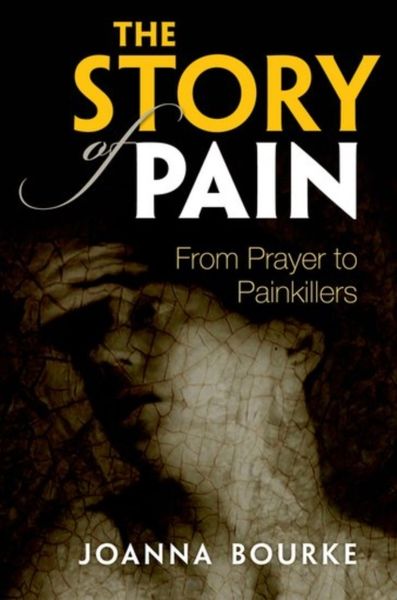
Bourke, J: Story of Pain From Prayer to Painkillers
-
- Hardcover
- Taschenbuch ausgewählt
- eBook
-
Sprache:Englisch
Fr. 27.90
inkl. gesetzl. MwSt.,
-
Kostenlose Lieferung ab Fr. 30 Einkaufswert
Schweiz & Liechtenstein:
Versandkostenfrei ab Fr. 30.00
Versandkosten bis Fr. 30.00: Fr. 3.50Andere Lieferländer
Fr. 18.00 unabhängig vom Warenwert
Beschreibung
Produktdetails
Einband
Taschenbuch
Erscheinungsdatum
09.02.2017
Abbildungen
31 black and white halftones
Verlag
Oxford University PressSeitenzahl
416
Maße (L/B/H)
21.6/13.7/3 cm
Gewicht
498 g
Sprache
Englisch
ISBN
978-0-19-968943-9
It is easy to assume this is the end of the story: 'pain-is-pain-is-pain', and that is all there is to say. But it is not. In fact, the way in which people respond to what they describe as 'painful' has changed considerably over time. In the eighteenth and nineteenth centuries, for example, people believed that pain served a specific (and positive) function - it was a message from God or Nature; it would perfect the spirit. 'Suffer in this life and you wouldn't suffer in the next one'. Submission to pain was required. Nothing could be more removed from twentieth and twenty-first century understandings, where pain is regarded as an unremitting evil to be 'fought'.
Focusing on the English-speaking world, this book tells the story of pain since the eighteenth century, addressing fundamental questions about the experience and nature of suffering over the last three centuries. How have those in pain interpreted their suffering - and how have these interpretations changed over time? How have people learnt to conduct themselves when suffering? How do friends and family react? And what about medical professionals: should they immerse themselves in the suffering person or is the best response a kind of professional detachment?
As Joanna Bourke shows in this fascinating investigation, people have come up with many different answers to these questions over time. And a history of pain can tell us a great deal about how we might respond to our own suffering in the present - and, just as importantly, to the suffering of those around us.
Noch keine Bewertungen vorhanden
Verfassen Sie die erste Bewertung zu diesem Artikel
Helfen Sie anderen Kundinnen und Kunden durch Ihre Meinung.