Beschreibung
Produktdetails
Format
ePUB
Kopierschutz
Ja
Family Sharing
Nein
Text-to-Speech
Ja
Erscheinungsdatum
01.06.1996
Herausgeber
Rosemarie Perez-Foster + weitereVerlag
Bloomsbury eBooks USSeitenzahl
275 (Printausgabe)
Dateigröße
1475 KB
Auflage
1. Auflage
Sprache
Englisch
EAN
9781461630371
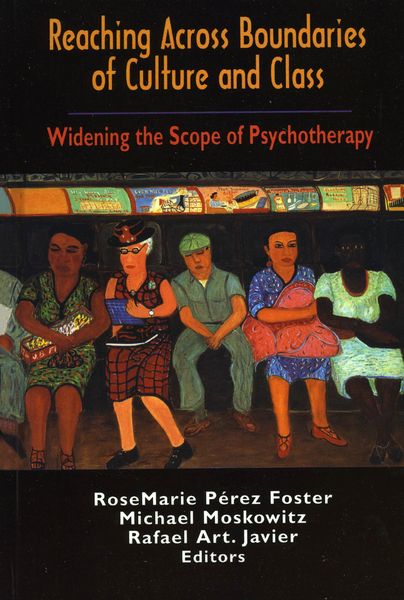
In a world that is forever fragmenting into divisions of ethnicity and class, this groundbreaking book offers an approach to therapy that reaches across the boundaries that usually divide us. Reaffirming psychotherapy's roots in a progressive approach to social change, the contributors show how contemporary methods can be used to treat patients often previously thought unresponsive to psychodynamic therapy. Cultural values, countertransference guilt, immigration, bilingualism, and battered self-esteem in African-American patients are among the many topics discussed. Numerous examples guide the clinician to a better understanding of the role of culture in the therapeutic relationship.
A Jason Aronson BookIn a world that is forever fragmenting into divisions of ethnicity and class, this groundbreaking book offers an approach to therapy that reaches across the boundaries that usually divide us. Reaffirming psychotherapy's roots in a progressive approach to social change, the contributors show how contemporary methods can be used to treat patients often previously thought unresponsive to psychodynamic therapy. Cultural values, countertransference guilt, immigration, bilingualism, and battered self-esteem in African-American patients are among the many topics discussed. Numerous examples guide the clinician to a better understanding of the role of culture in the therapeutic relationship.
A Jason Aronson BookIn a world that is forever fragmenting into divisions of ethnicity and class, this groundbreaking book offers an approach to therapy that reaches across the boundaries that usually divide us. Reaffirming psychotherapy's roots in a progressive approach to social change, the contributors show how contemporary methods can be used to treat patients often previously thought unresponsive to psychodynamic therapy. Cultural values, countertransference guilt, immigration, bilingualism, and battered self-esteem in African-American patients are among the many topics discussed. Numerous examples guide the clinician to a better understanding of the role of culture in the therapeutic relationship.
Kundinnen und Kunden meinen
Verfassen Sie die erste Bewertung zu diesem Artikel
Helfen Sie anderen Kund*innen durch Ihre Meinung