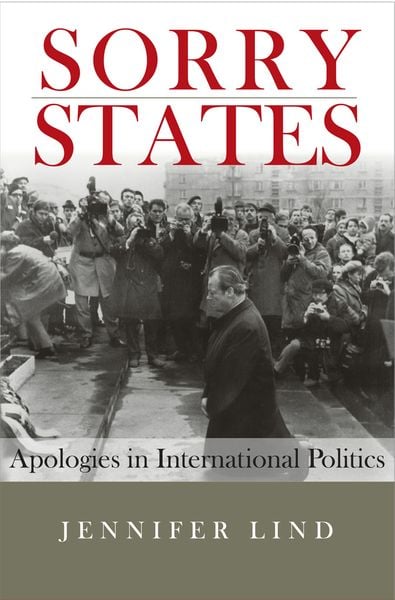
Sorry States Apologies in International Politics
-
- Hardcover
- Taschenbuch
- eBook ausgewählt
-
Form:Einzelkauf Download
-
Sprache:Englisch
-
eBook Format:ePUB
- PDF Fr. 104.90
- ePUB Fr. 11.90 ausgewählt
Fr. 11.90
inkl. gesetzl. MwSt.Beschreibung
Produktdetails
Format
ePUB
Kopierschutz
Nein
Family Sharing
Nein
Text-to-Speech
Ja
Erscheinungsdatum
15.08.2011
Verlag
Cornell University PressSeitenzahl
256 (Printausgabe)
Dateigröße
434 KB
Sprache
Englisch
EAN
9780801462276
Governments increasingly offer or demand apologies for past human rights abuses, and it is widely believed that such expressions of contrition are necessary to promote reconciliation between former adversaries. The post-World War II experiences of Japan and Germany suggest that international apologies have powerful healing effects when they are offered, and poisonous effects when withheld. West Germany made extensive efforts to atone for wartime crimes-formal apologies, monuments to victims of the Nazis, and candid history textbooks; Bonn successfully reconciled with its wartime enemies. By contrast, Tokyo has made few and unsatisfying apologies and approves school textbooks that whitewash wartime atrocities. Japanese leaders worship at the Yasukuni Shrine, which honors war criminals among Japan's war dead. Relations between Japan and its neighbors remain tense.
Examining the cases of South Korean relations with Japan and of French relations with Germany, Jennifer Lind demonstrates that denials of past atrocities fuel distrust and inhibit international reconciliation. In Sorry States, she argues that a country's acknowledgment of past misdeeds is essential for promoting trust and reconciliation after war. However, Lind challenges the conventional wisdom by showing that many countries have been able to reconcile without much in the way of apologies or reparations. Contrition can be highly controversial and is likely to cause a domestic backlash that alarms-rather than assuages-outside observers. Apologies and other such polarizing gestures are thus unlikely to soothe relations after conflict, Lind finds, and remembrance that is less accusatory-conducted bilaterally or in multilateral settings-holds the most promise for international reconciliation.
Noch keine Bewertungen vorhanden
Verfassen Sie die erste Bewertung zu diesem Artikel
Helfen Sie anderen Kundinnen und Kunden durch Ihre Meinung.