Band 1
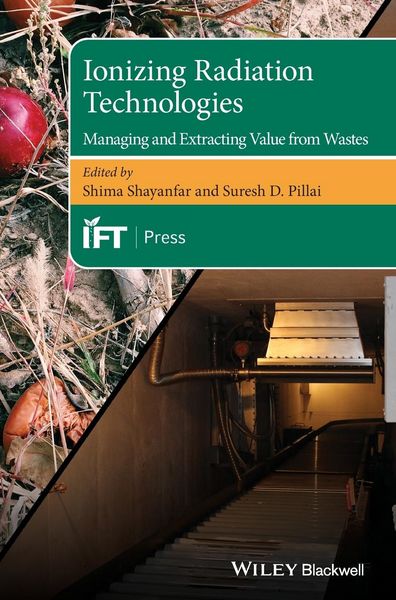
Ionizing Radiation Technologies Managing and Extracting Value from Wastes
Aus der Reihe
Institute of Food Technologists Series
Fr. 233.00
inkl. gesetzl. MwSt.,
Beschreibung
Produktdetails
Einband
Gebundene Ausgabe
Erscheinungsdatum
22.08.2022
Herausgeber
Shima Shayanfar + weitereVerlag
John Wiley & SonsSeitenzahl
288
Maße (L/B/H)
25/17.5/2 cm
Gewicht
676 g
Auflage
1. Auflage
Sprache
Englisch
ISBN
978-1-119-48853-8
Ionizing Radiation Technologies
An authoritative overview of major advances in the application of ionizing radiation technologies to industrial, agricultural, and municipal waste products
In Ionizing Radiation Technologies: Managing and Extracting Value from Wastes, a team of expert researchers delivers a broad overview of the value trapped in waste streams and how a strategic application of ionizing radiation technologies can be valuable from both an environmental and an economic perspective. A valuable addition to the discussions around sustainability and green technologies, the book introduces ionizing radiation technologies, including gamma (cobalt-60) irradiation and high and low energy electron beam technologies.
The contributions included explore the major advances taking place in the application of ionizing radiation technologies to derive high value end-products from agricultural, municipal, and industrial wastes. Each chapter reviews original research and data and considers likely future directions in research and development. The book also includes:
* A thorough introduction to the application of ionizing radiation technologies to agricultural waste, including the production of activated carbon
* Comprehensive explorations of the application of ionizing radiation technologies to municipal waste, including municipal solid wastes and recycling wastewater
* Practical discussions of the application of ionizing radiation technologies to industrial waste, including textile wastewater management and polymer recycling
* In-depth examinations of the economics of waste valorization, including several case studies of businesses involved in waste valorization
Perfect for consulting engineers and industry professionals involved in waste management and mitigation, Ionizing Radiation Technologies will also earn a place in the libraries of professionals at government agencies, international food organizations, and NGOs focused on waste management, environment sustainability, and urban planning.
Noch keine Bewertungen vorhanden
Verfassen Sie die erste Bewertung zu diesem Artikel
Helfen Sie anderen Kundinnen und Kunden durch Ihre Meinung.